In the realm of industrial automation and precision measurement, the integration of robust sensing technology with durable hardware is paramount. Conductive enclosure laser sensors represent a critical fusion of these elements, designed to deliver high-performance, reliable operation in demanding environments. This article delves into the operational principles, key applications, and essential selection criteria for these sophisticated devices.
At its core, a conductive enclosure laser sensor is a non-contact measurement device that utilizes a focused laser beam to detect the presence, position, or profile of a target object. The defining characteristic is its housing or enclosure, typically constructed from materials such as aluminum alloys or stainless steel with conductive coatings or properties. This conductive enclosure serves a dual purpose: it provides exceptional electromagnetic compatibility (EMC) shielding and acts as a robust physical barrier.
The EMC shielding is crucial in industrial settings saturated with electrical noise from motors, variable frequency drives (VFDs), and welding equipment. A conductive enclosure effectively forms a Faraday cage, preventing external electromagnetic interference (EMI) from disrupting the sensor's sensitive internal electronics and laser emission circuitry. Conversely, it also contains any potential electromagnetic emissions from the sensor itself, ensuring it does not interfere with other nearby equipment. This results in stable, repeatable measurements free from spurious signals, a non-negotiable requirement for quality control and process reliability.
The operational principle generally involves one of two primary methods: through-beam or diffuse reflection. In a through-beam (or opposed) setup, the sensor's transmitter and receiver are separate units. The laser beam is projected from the transmitter to the receiver. An object interrupting this beam is detected. This method offers the longest sensing ranges and highest accuracy. In the diffuse reflection (or proximity) model, a single housing contains both the emitter and receiver. The sensor detects light reflected back from the target. Advanced versions use background suppression or distance-measuring principles to ignore irrelevant background objects, focusing only on targets within a defined window.
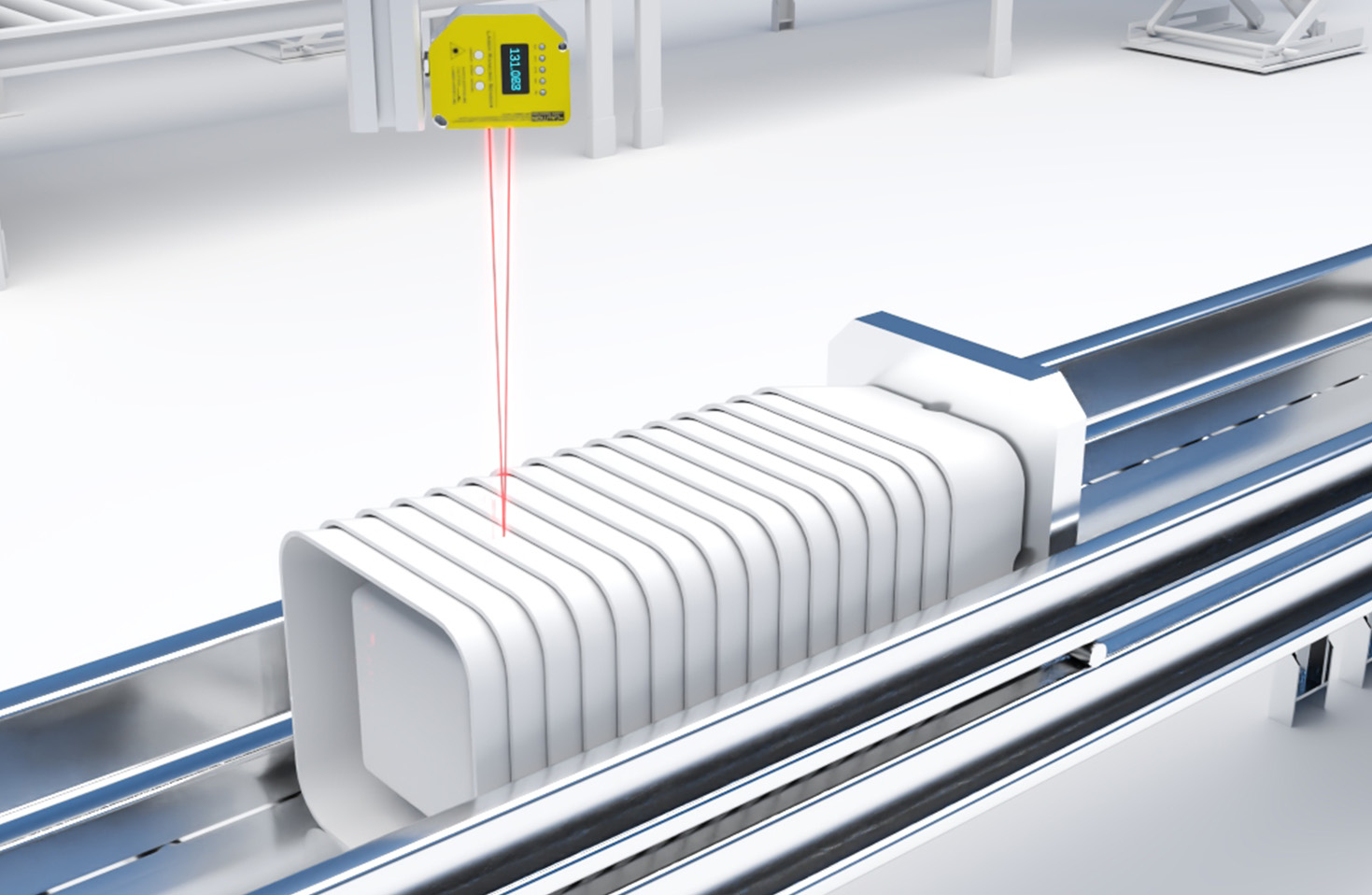
The applications for conductive enclosure laser sensors are vast and varied across industries. In automotive manufacturing, they are used for precise gap and flush measurement between body panels, robotic guidance for welding and assembly, and inspection of component dimensions. In electronics and semiconductor production, these sensors verify the placement of microchips on circuit boards, detect the presence of tiny connectors, and monitor wafer handling robotics. In packaging and material handling, they count objects on high-speed conveyors, control filling levels, and detect label presence. Their resilience makes them ideal for harsh environments like metalworking, where they monitor tool wear, and in food and beverage processing, where stainless steel, washdown-rated conductive enclosures are essential for hygiene and corrosion resistance.
Selecting the right conductive enclosure laser sensor requires careful consideration of several technical parameters. First, the sensing range and spot size must be appropriate for the target size and distance. A smaller, more focused laser spot enables higher resolution for detecting small features or edges. Second, the response time, often in the microsecond range, must be fast enough to keep pace with production line speeds without missing objects. The type of output (e.g., digital NPN/PNP, analog 4-20mA, 0-10V, or IO-Link for smart sensor communication) must be compatible with the existing programmable logic controller (PLC) or data acquisition system.
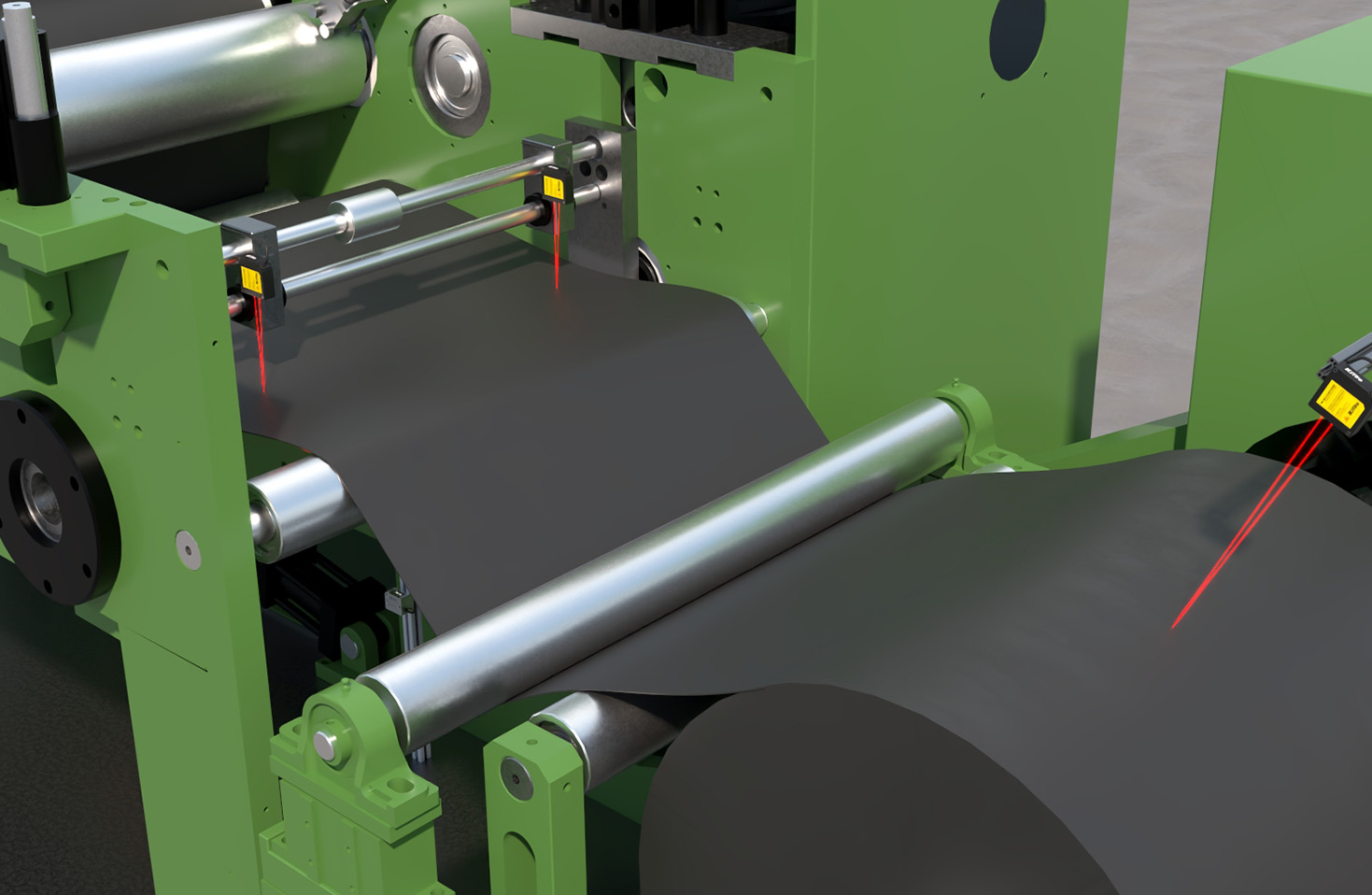
Environmental ratings are equally critical. The Ingress Protection (IP) rating (e.g., IP67, IP69K) defines the enclosure's resistance to dust and liquids, vital for washdown or outdoor use. The operating temperature range must suit the application environment. The mechanical design, including mounting options (bracket, threaded barrel) and connector type (M8, M12), impacts installation ease and longevity. Finally, considering the laser class (typically Class 1 or 2, which are safe under normal operating conditions) is important for workplace safety.
In conclusion, conductive enclosure laser sensors are indispensable tools in modern industrial automation. Their ability to provide precise, non-contact measurements while withstanding electrical interference and physical harshness makes them a cornerstone of efficient, reliable, and intelligent manufacturing processes. By understanding their principles and carefully matching their specifications to application needs, engineers can leverage their full potential to enhance system performance, ensure product quality, and minimize downtime.