Laser sensors have become indispensable tools across a multitude of industries, from manufacturing and robotics to automotive and aerospace. Their ability to provide precise, non-contact measurement is largely dependent on the quality of the light signal returned to the detector. While direct reflection from a target object is the most common operational mode, the use of mirrors to reflect the laser beam opens up a vast array of sophisticated applications. This article delves into the principles, considerations, and practical implementations of mirror reflection in laser sensor systems.
At its core, a laser sensor operates by emitting a coherent beam of light towards a target. The sensor then measures some property of the reflected light—such as time-of-flight, phase shift, or triangulation angle—to calculate distance, position, or presence. When a mirror is introduced into the optical path, it acts as a secondary, highly predictable reflective surface. The fundamental principle governing this interaction is the law of reflection: the angle of incidence equals the angle of reflection. This predictable behavior allows engineers to "steer" the laser beam around obstacles, into confined spaces, or across long distances without moving the sensor itself.
However, the integration of mirrors is not without its technical challenges. The choice of mirror is paramount. First-surface mirrors, where the reflective coating is applied to the front surface of the substrate, are essential to avoid the double-reflection and signal degradation caused by the glass thickness of standard second-surface mirrors. The mirror's surface quality, typically defined by its flatness and surface roughness, directly impacts the beam's characteristics. Imperfections can scatter the laser light, reducing signal strength and introducing measurement noise. For high-precision applications, optical-grade mirrors with λ/4 or better flatness are often required.
The alignment of the mirror is another critical factor. Even a slight misalignment can cause the reflected beam to miss the sensor's receiver entirely or land on an non-optimal part of the detector, leading to erroneous readings. Precise kinematic mounts are frequently used in laboratory or calibration setups to ensure stable and adjustable positioning. In industrial environments, rigid, vibration-damped fixtures are necessary to maintain alignment under operational stresses.
Environmental conditions also play a significant role. Dust, oil, or condensation on the mirror surface will attenuate the laser signal. In dirty or humid environments, protective enclosures with sealed windows or the use of air knives to keep the surface clean may be necessary. Furthermore, the mirror substrate material must be chosen for thermal stability; excessive thermal expansion can warp the mirror, altering the beam path.
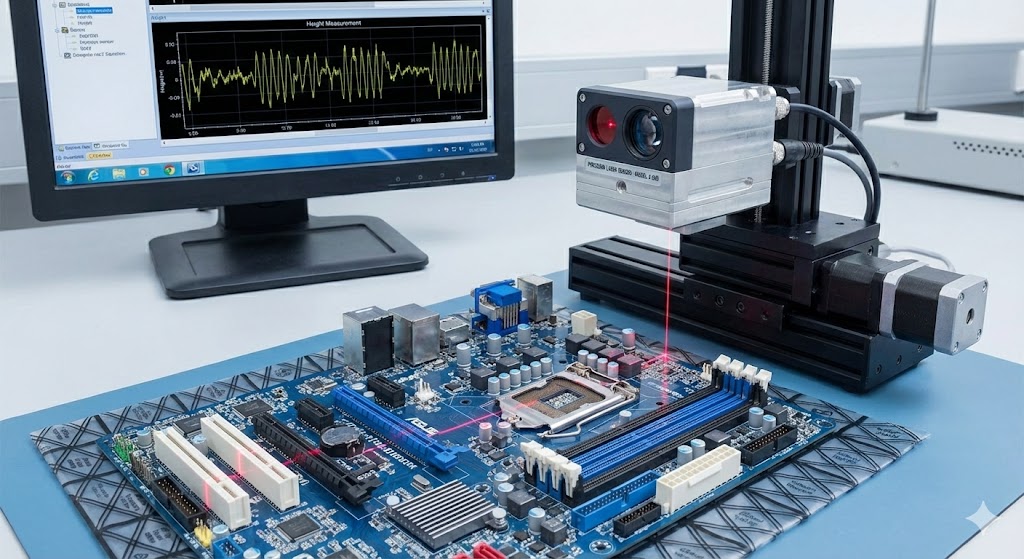
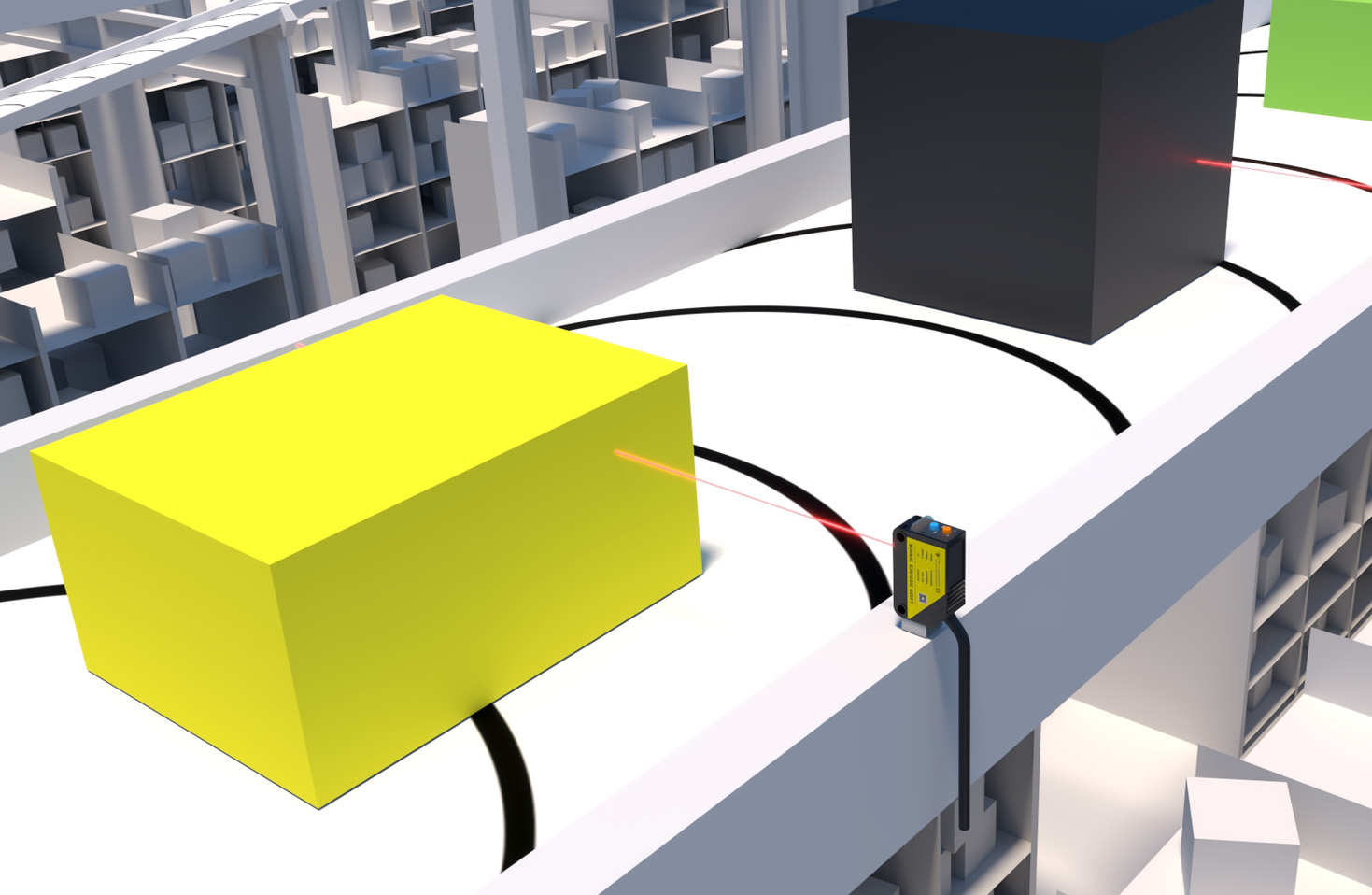
The applications of mirror-reflected laser sensing are diverse and powerful. One common use is in bypassing obstacles. In a complex machine, a direct line-of-sight to the measurement point may be blocked by other components. A strategically placed mirror can redirect the beam, allowing the sensor to be mounted in a more convenient or protected location. Another key application is multi-point monitoring. A single laser sensor, combined with a rotating polygonal mirror or a galvanometer scanner, can rapidly sequence its beam across multiple targets, effectively monitoring several positions or inspecting multiple parts with one device. This is extensively used in logistics for parcel dimensioning and in automated inspection systems.
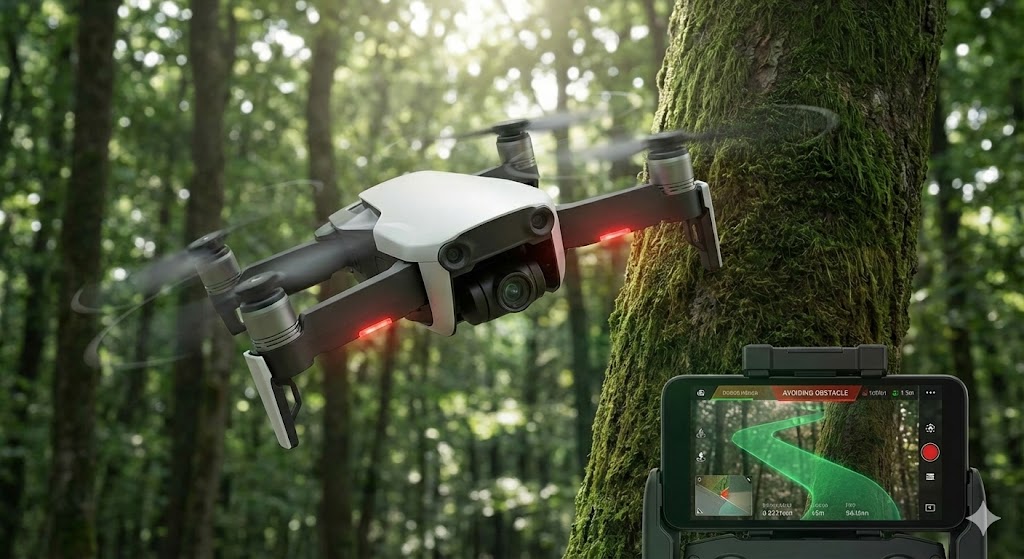
Long-range measurement benefits greatly from retroreflectors—a special type of mirror assembly that reflects light directly back to its source regardless of the angle of incidence. By placing a retroreflector on a distant target, a laser sensor can achieve reliable signal return over hundreds of meters, used in applications like crane positioning, ship docking, and large-scale surveying.
In safety systems, mirrors enable perimeter guarding of large or irregularly shaped areas. A single laser safety scanner can protect a wide zone by using mirrors to create a virtual "light curtain" that would otherwise require multiple scanners. Similarly, in robotics, mirrors can extend the effective range of area scanners used for collaborative robot workspaces.
When designing a system incorporating mirrors, a systematic approach is recommended. Begin by defining the required beam path and angles using optical layout software or careful drafting. Select a first-surface mirror with a coating optimized for the laser's wavelength (e.g., protected aluminum for visible lasers, enhanced silver or gold for infrared). Ensure the mounting system provides the required stability and, if needed, adjustability. Finally, always validate the system performance under real-world conditions, checking for signal strength consistency and measurement accuracy.
In conclusion, the use of mirrors with laser sensors is a powerful technique that greatly expands their versatility. By understanding and mitigating the challenges related to mirror quality, alignment, and environment, engineers can design robust systems for complex sensing tasks. From enabling measurements in impossible locations to creating sophisticated scanning systems, mirror reflection remains a cornerstone technique in advanced electro-optical design, pushing the boundaries of what laser sensing technology can achieve.