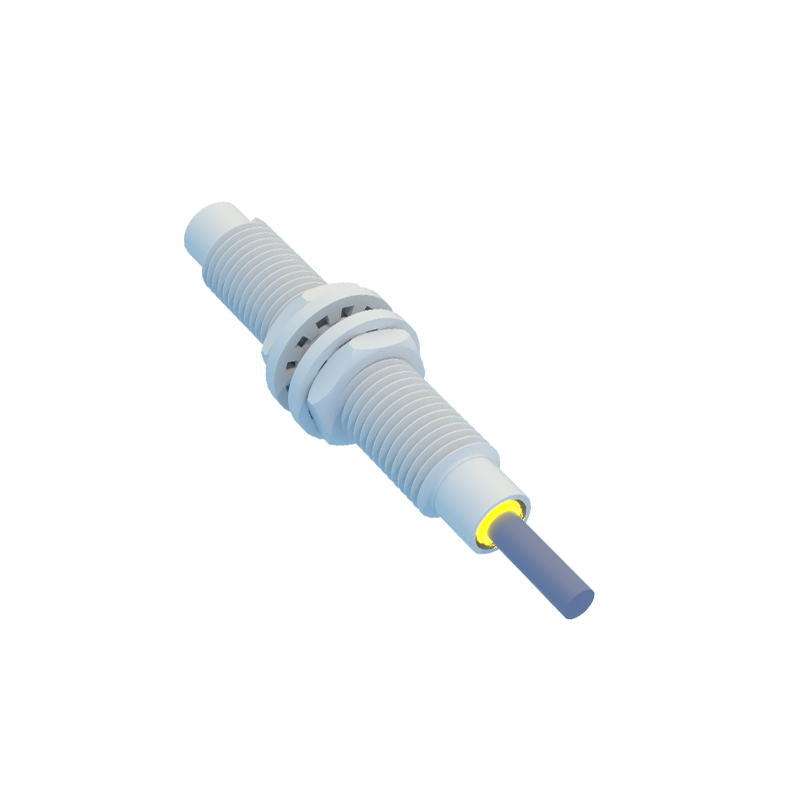
In the demanding landscape of industrial automation, particularly within classified hazardous areas, the selection of sensing technology is not merely a matter of functionality but of paramount safety and reliability. The inductive proximity sensor, a stalwart for non-contact metal detection, finds a specialized and critical variant in the NAMUR type. This article provides a comprehensive technical examination of a representative model in this category: the GAT1-4mm-P1 inductive proximity sensor, detailing its operating principles, key specifications, and integral role in safety instrumented systems.
Fundamentally, an inductive proximity sensor generates an oscillating electromagnetic field via a coil in its face. When a ferrous or non-ferrous metal target enters this field, eddy currents are induced within the target, causing a load on the oscillator. The sensor electronics detect this change and trigger a switching signal. The defining characteristic of a NAMUR sensor, such as the GAT1-4mm-P1, is its output. Unlike standard three-wire sensors that switch a load voltage directly (e.g., 24V DC), a NAMUR sensor is a two-wire device that operates with a much lower, intrinsically safe energy level. Its output is a current signal that changes between two defined states, typically a "high" current (e.g., ~4 mA) representing the "on" or target-present state, and a "low" current (e.g., ~1.2 mA) representing the "off" or no-target state. This low-energy signal is inherently safe, preventing it from being an ignition source in explosive atmospheres.
The model designation GAT1-4mm-P1 offers clear insight into its core specifications. The '4mm' denotes its rated operating distance (Sn). This is the guaranteed switching distance for a standard target (usually mild steel) under defined conditions. It is crucial to note that the effective sensing range can be affected by the target material's properties; for instance, stainless steel may reduce the sensing distance, while copper or aluminum reduces it significantly more. The 'P1' suffix often indicates a specific housing style, connector type, or output configuration, aligning with manufacturer-specific cataloguing. The compact, typically cylindrical threaded barrel housing (e.g., M8 or M12) is designed for easy installation in confined spaces common in machinery.
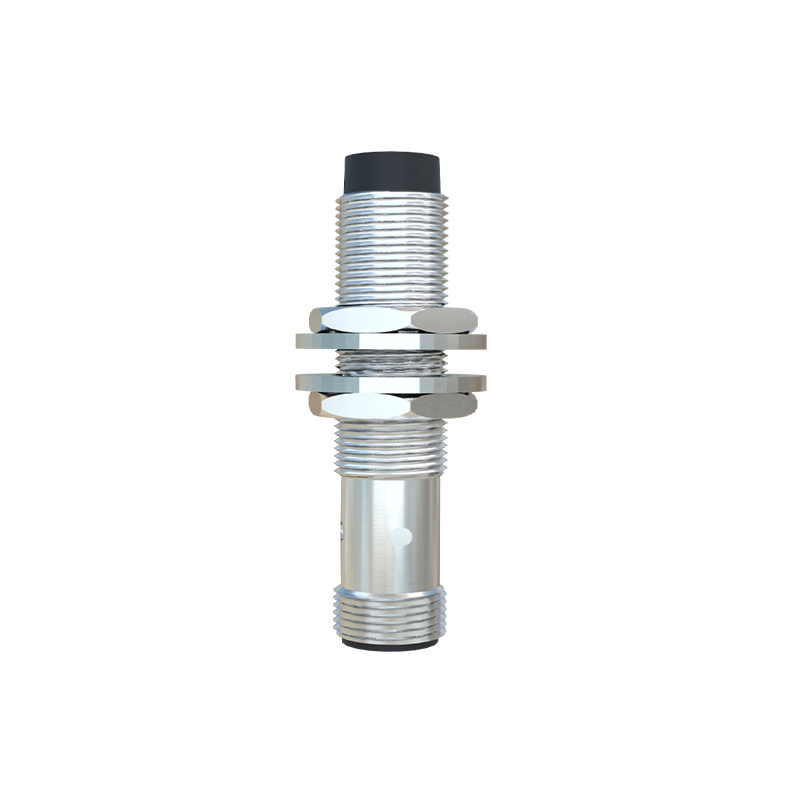
The true application power of the GAT1-4mm-P1 is realized when interfaced with a compatible isolating amplifier or safety barrier. This interface device, located in the safe area, provides the operating power (usually 8.2V DC) to the sensor and monitors its current signal. The barrier then converts this safe-area signal into a standard switching signal (like a relay contact or transistor output) for the PLC or control system. Furthermore, this setup enables advanced diagnostic capabilities. The interface can detect critical fault conditions such as cable breaks or short circuits by monitoring for currents outside the normal "on"/"off" windows (e.g., >6 mA or<1 mA). This diagnostic capability is essential for high-availability and safety-critical loops, allowing for predictive maintenance and immediate fault annunciation.
Key performance parameters for the GAT1-4mm-P1 include its switching frequency, temperature range, and housing protection. A typical switching frequency of 1 kHz allows for detection of rapidly moving parts. An operating temperature range of -25°C to +70°C ensures stability across most industrial environments. An ingress protection rating of IP67 is standard, guaranteeing resistance to dust and temporary immersion, making it suitable for washdown areas in food & beverage or pharmaceutical applications, even outside the hazardous zone.
In practice, these sensors are deployed in Zone 1 or Zone 2 hazardous areas (according to ATEX, IECEx, or similar standards) for tasks like position verification of valve actuators, detection of metallic objects in conveyor systems within chemical plants, or monitoring the presence of tools in explosion-protected machinery. Their robust, solid-state design with no moving mechanical parts ensures long-term reliability and resistance to vibration.
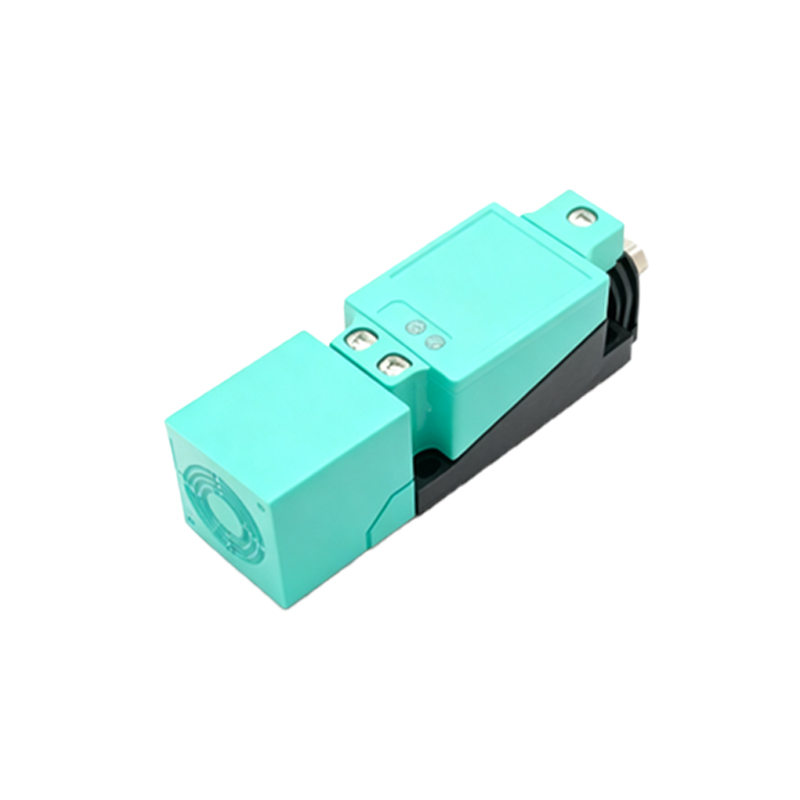
When specifying a sensor like the GAT1-4mm-P1, engineers must consider the target material, size, and required installation geometry to ensure reliable switching. The sensor must be paired with a correctly certified and calibrated isolating amplifier. Regular functional testing, as part of the site's safety lifecycle management, is also recommended to verify the integrity of the entire loop.
In conclusion, the NAMUR inductive proximity sensor GAT1-4mm-P1 represents a sophisticated blend of simple physical principle and advanced safety engineering. It is not a standalone component but the critical field device in an intrinsically safe measurement loop. Its value lies in providing reliable, diagnostic-rich position feedback from the heart of hazardous processes, forming a fundamental link in the chain of industrial safety and automation efficiency