In the demanding landscape of modern industrial automation, laser sensors have become indispensable for precision measurement, object detection, and quality control. However, their sophisticated optical and electronic components are inherently vulnerable to the harsh environmental conditions prevalent in factories, warehouses, and outdoor installations. This is where a robust laser sensor protection enclosure transitions from an optional accessory to a critical necessity. An enclosure is not merely a box; it is a meticulously engineered safeguard designed to ensure sensor longevity, measurement accuracy, and overall system reliability.
The primary function of a protection enclosure is to create a controlled micro-environment around the laser sensor. Industrial settings present a multitude of threats. Airborne contaminants such as dust, oil mist, and metal shavings can coat the sensor's lens, scattering or blocking the laser beam, leading to erroneous readings or complete failure. Similarly, liquid ingress from coolants, water sprays, or humidity can cause short circuits, corrosion, and irreparable damage to internal circuitry. Physical impact from moving machinery, falling objects, or accidental human contact is another significant risk. A well-designed enclosure with an appropriate Ingress Protection (IP) rating, such as IP65, IP67, or IP69K, forms a sealed barrier against these solid and liquid threats. The choice of material—typically durable plastics like polycarbonate for impact resistance or stainless steel for extreme environments—further defines the enclosure's defensive capabilities.
Beyond basic sealing, the design considerations for a laser sensor enclosure are multifaceted. For the laser beam to function, the enclosure must feature a transparent window made from a material compatible with the sensor's specific wavelength. Standard glass may absorb or reflect certain wavelengths, so optical-grade materials like coated glass or specific polymers are selected to ensure maximum transmission with minimal distortion. Thermal management is another crucial aspect. Lasers and their associated electronics generate heat, and a sealed enclosure can trap this heat, leading to overheating, drift in calibration, and reduced lifespan. Solutions include passive heat sinks integrated into the enclosure design, active cooling with fans (in a filtered assembly), or selecting materials with good thermal conductivity. Furthermore, the enclosure must allow for easy access for maintenance, calibration, or cleaning without compromising its protective seal, often achieved through designs with quick-release latches and replaceable gaskets.
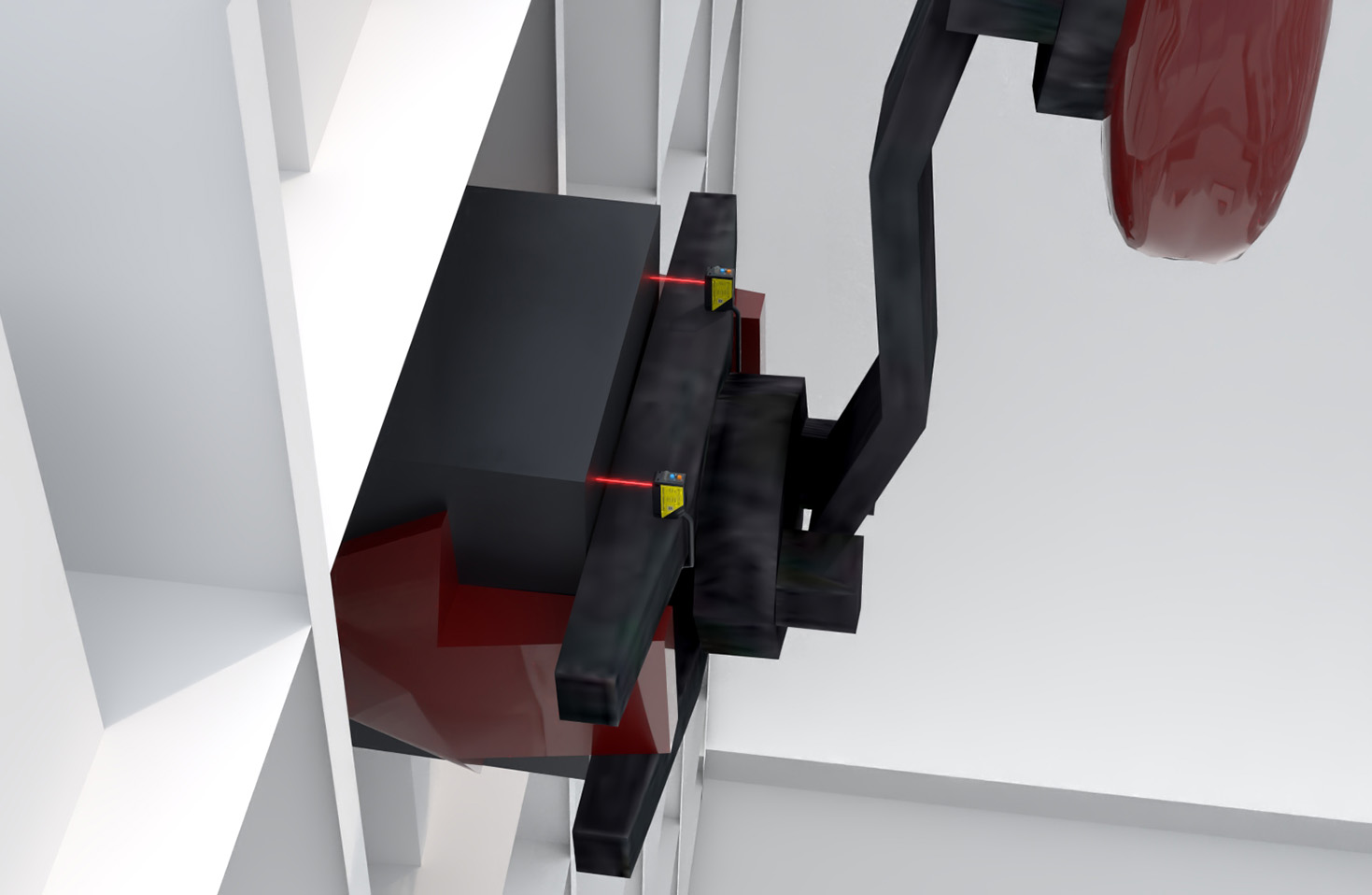
Electrical integration is equally important. The enclosure must provide secure and protected ports for power and signal cables, typically using gland plates or molded connectors that maintain the IP rating. Proper cable management inside the enclosure prevents strain on connections and reduces electromagnetic interference. For sensors used in hazardous locations with flammable gases or dust (classified under ATEX, IECEx, or similar standards), the enclosure itself must be certified to prevent the sensor from becoming an ignition source, often requiring flame-path and pressure containment designs.
The return on investment for a high-quality laser sensor protection enclosure is substantial. It directly reduces downtime by preventing sensor failures, minimizes costly replacements, and ensures consistent, accurate data collection for process control. This reliability is paramount for maintaining production quality, safety systems, and automated logistics. When selecting an enclosure, engineers must conduct a thorough environmental audit, considering all present and potential contaminants, temperature ranges, risk of physical abuse, and any necessary regulatory certifications. Partnering with enclosure specialists who understand the nuances of laser sensor integration can lead to optimized solutions, whether off-the-shelf or custom-designed.
In conclusion, the laser sensor is the eye of the automated system, but without proper protection, its vision can be easily blinded. A dedicated protection enclosure is an essential engineering component that shields this critical investment from the realities of the industrial world. It ensures that precision, reliability, and performance are maintained, safeguarding not only the sensor but also the productivity and efficiency of the entire operation it supports. Specifying the correct enclosure is not an afterthought; it is a fundamental step in robust system design.