In the realm of industrial safety and environmental protection, the detection of methane gas stands as a critical priority. Methane, a primary component of natural gas, is not only highly flammable but also a potent greenhouse gas. Traditional detection methods, such as catalytic bead sensors or non-dispersive infrared (NDIR) sensors, have served industries for decades. However, the advent of laser infrared methane sensors represents a significant technological leap, offering unparalleled precision, reliability, and operational efficiency. This article delves into the principles, advantages, and applications of these advanced sensors, underscoring their transformative impact on modern industry.
At the core of laser infrared methane sensors lies the principle of tunable diode laser absorption spectroscopy (TDLAS). Unlike conventional NDIR sensors that use broadband infrared sources, TDLAS employs a precisely tunable laser diode that emits light at a specific wavelength corresponding to the absorption line of methane molecules. When the laser light passes through a gas sample, methane molecules absorb a portion of the light at this characteristic wavelength. By measuring the attenuation of the laser beam, the sensor can accurately calculate the concentration of methane present. This method is highly selective, as it targets only methane's unique absorption fingerprint, minimizing interference from other gases like water vapor or carbon dioxide. The laser's narrow spectral width ensures exceptional sensitivity, enabling detection at parts-per-million (ppm) or even parts-per-billion (ppb) levels, far surpassing the capabilities of older technologies.
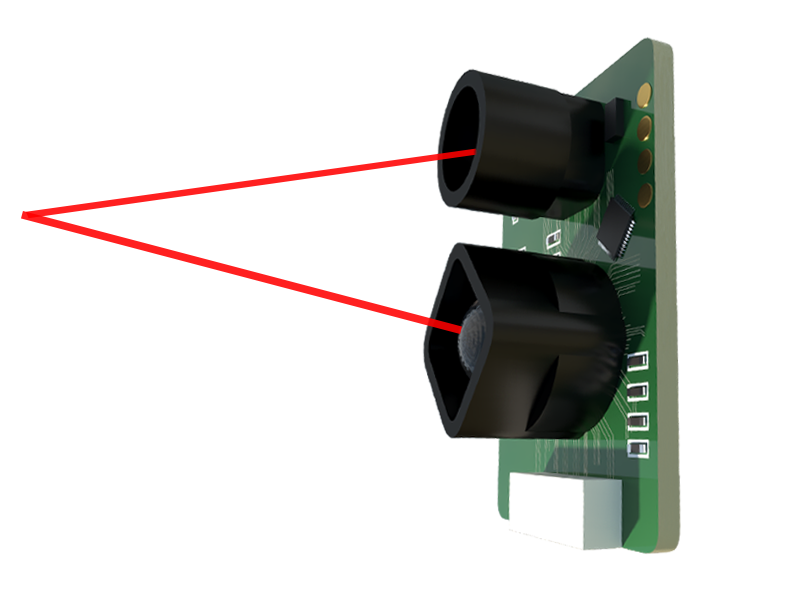
The operational benefits of laser infrared methane sensors are manifold. Firstly, they exhibit exceptional long-term stability and require minimal calibration. Traditional catalytic sensors can drift over time and are susceptible to poisoning by silicone compounds or lead, leading to frequent maintenance and potential safety risks. In contrast, laser-based sensors have no consumable parts and are immune to such contaminants, ensuring consistent performance over extended periods. This reliability translates into reduced downtime and lower total cost of ownership. Secondly, these sensors offer rapid response times, often in the range of a few seconds. This swift detection is crucial in emergency situations where early warning can prevent catastrophic events such as explosions or fires. Furthermore, the non-intrusive nature of TDLAS allows for in-situ measurements without the need for frequent gas sampling, making them ideal for continuous monitoring in harsh or remote environments.
Applications of laser infrared methane sensors span a diverse array of industries. In the oil and gas sector, they are indispensable for leak detection along pipelines, at wellheads, and within processing facilities. Even minor leaks can be identified promptly, preventing product loss and mitigating environmental impact. In coal mining, where methane accumulation poses a severe explosion hazard, these sensors provide real-time monitoring of air quality in underground shafts, enhancing miner safety. The waste management industry utilizes them to monitor methane levels in landfills, optimizing gas collection for energy recovery while controlling emissions. Additionally, in agricultural settings, they assist in measuring methane from livestock operations, contributing to research on greenhouse gas inventories. The utility of these sensors extends to research institutions and environmental agencies for atmospheric studies and climate change monitoring, given their ability to measure trace gas concentrations with high accuracy.
Despite their advantages, the implementation of laser infrared methane sensors requires careful consideration. Initial investment costs are typically higher than for conventional sensors. However, this is offset by lower maintenance expenses and enhanced safety outcomes. Proper installation is also vital; factors such as alignment of the laser beam, potential optical obstructions, and environmental conditions like extreme temperatures or vibrations must be addressed to ensure optimal performance. Modern sensors often incorporate robust housings and advanced signal processing algorithms to compensate for such challenges. Looking ahead, ongoing advancements in laser technology, including the development of quantum cascade lasers and integrated photonic circuits, promise to further reduce size, power consumption, and cost, making these sensors even more accessible for widespread use.
In conclusion, laser infrared methane sensors embody a paradigm shift in gas detection technology. By leveraging the precision of tunable diode laser absorption spectroscopy, they deliver superior accuracy, reliability, and speed compared to traditional methods. Their adoption across industries from oil and gas to environmental science underscores their vital role in promoting safety, operational efficiency, and environmental stewardship. As technology continues to evolve, these sensors will undoubtedly become more integral to global efforts in managing methane emissions and safeguarding industrial operations, solidifying their status as an indispensable tool for the modern engineer.