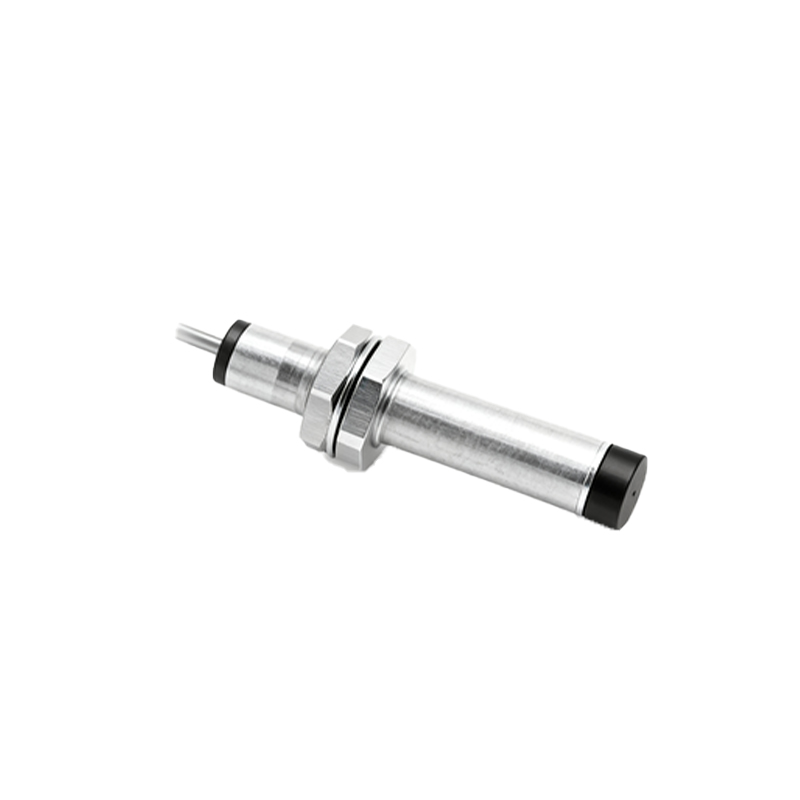
Proximity sensor switches are indispensable components in modern industrial automation, offering non-contact detection of objects with high precision and reliability. These devices operate by generating an electromagnetic field or beam of radiation, detecting changes when a target enters their sensing range. Unlike mechanical switches, proximity sensors eliminate physical contact, reducing wear and tear and ensuring longevity in demanding environments. Common types include inductive, capacitive, ultrasonic, and photoelectric sensors, each tailored for specific applications. Inductive sensors, for instance, detect metallic objects and are widely used in manufacturing lines for position sensing. Capacitive sensors can detect both metallic and non-metallic materials, making them ideal for liquid level detection or plastic object recognition. Ultrasonic sensors use sound waves to measure distance, excelling in harsh conditions where dust or moisture is present. Photoelectric sensors rely on light beams, offering long-range detection for packaging and material handling systems. The selection of a proximity sensor depends on factors such as sensing distance, target material, environmental conditions, and response time. Proper installation and calibration are critical to avoid false triggers and ensure optimal performance. In automotive assembly, proximity sensors monitor robotic arm movements, enhancing safety and efficiency. In food processing, they ensure precise filling levels without contamination. Advanced models now feature IO-Link communication, enabling real-time diagnostics and integration with Industrial Internet of Things (IIoT) platforms. This connectivity allows predictive maintenance, reducing downtime and operational costs. When designing a system, engineers must consider electrical specifications like voltage ratings, output types (PNP or NDP), and housing materials to withstand temperature extremes or chemical exposure. Regular testing with multimeters or oscilloscopes helps verify signal integrity. Despite their robustness, challenges like electromagnetic interference or target misalignment can affect accuracy. Shielding, proper grounding, and alignment tools mitigate these issues. As Industry 4.0 evolves, smart proximity sensors with embedded intelligence are becoming standard, offering self-calibration and adaptive sensing capabilities. In summary, proximity sensor switches are vital for automation, providing efficient, contactless operation across diverse industries. Their continuous innovation drives improvements in productivity, safety, and system integration, making them a cornerstone of industrial engineering.