In the realm of industrial automation, machine safety, and smart devices, proximity sensing is a fundamental capability. Among the diverse technologies available, the single-tube infrared (IR) proximity sensor stands out for its simplicity, reliability, and cost-effectiveness. This article delves into the operational principles, key advantages, common applications, and critical selection criteria for these ubiquitous sensors.
At its core, a single-tube IR proximity sensor integrates both an infrared emitter (typically an IR LED) and a photodetector (such as a phototransistor or photodiode) within a single, compact housing or "tube." This integrated design is its defining characteristic. The sensor operates on the principle of modulated light reflection. The internal IR emitter projects a beam of infrared light, which is often pulsed or modulated at a specific frequency to mitigate interference from ambient light sources like sunlight or room lighting. When an object enters the sensor's detection range, a portion of this emitted IR light reflects off the object's surface and returns to the sensor. The integrated photodetector receives this reflected signal. The sensor's internal circuitry then processes this signal, filtering out the ambient IR noise by recognizing only the modulated frequency it originally sent. Once the reflected signal strength exceeds a predefined threshold, the sensor triggers an output signal, typically a switch closure (NPN/PNP) or a change in voltage.
The advantages of this single-tube design are significant. Firstly, its compact form factor allows for easy installation in space-constrained environments. The integrated nature reduces alignment issues common in separate emitter-receiver setups, simplifying installation and maintenance. Secondly, by using modulated light, these sensors exhibit excellent immunity to ambient light interference, ensuring stable operation in various lighting conditions. They are generally insensitive to the color of the target object, responding primarily to its reflectivity and distance. However, it's crucial to note that highly absorbent (dark) or transparent materials (like clear glass) can be challenging to detect. Furthermore, single-tube IR sensors are known for their fast response times and non-contact operation, preventing wear and tear on both the sensor and the target.
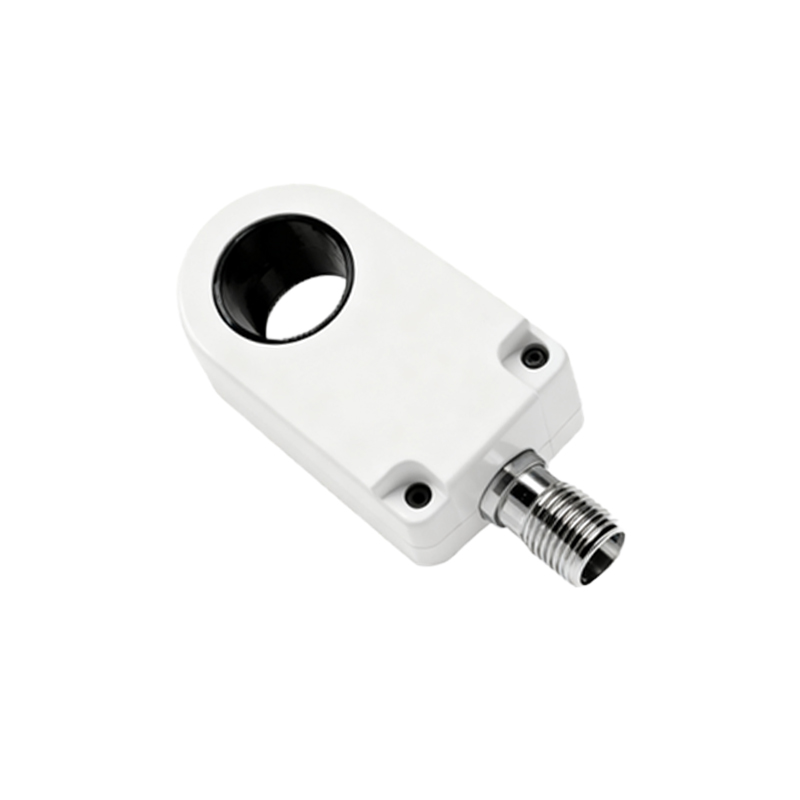
The applications for single-tube IR proximity sensors are vast and cross-industry. In consumer electronics, they are the workhorse behind smartphone screen blanking during calls, detecting the presence of a user's ear to disable the touchscreen. In industrial automation, they are deployed for object detection on conveyor lines, part positioning, jam detection, and counting tasks. Within vending machines, they verify product dispensing. In security systems, they can act as simple intrusion detectors. Their use in robotics for obstacle avoidance and in home appliances for touchless control is also increasingly common.
Selecting the right single-tube IR proximity sensor requires careful consideration of several parameters. The sensing distance is paramount; it must match the application, with typical ranges from a few millimeters up to several meters for specialized models. The output type must be compatible with the controller (PLC, microcontroller); options include digital (NPN sinking, PNP sourcing) or analog (voltage or current proportional to distance). The power supply voltage (e.g., 5VDC, 12-24VDC) must align with the system's available power. The response time must be fast enough for the application's speed. Environmental factors are critical: the sensor's housing material (often plastic or metal) and Ingress Protection (IP) rating determine its suitability for dusty, wet, or washdown environments. Finally, the target characteristics—size, material, surface finish, and color—must be evaluated, as they directly influence the effective sensing range. For challenging surfaces, sensors with background suppression or adjustable sensitivity may be required.
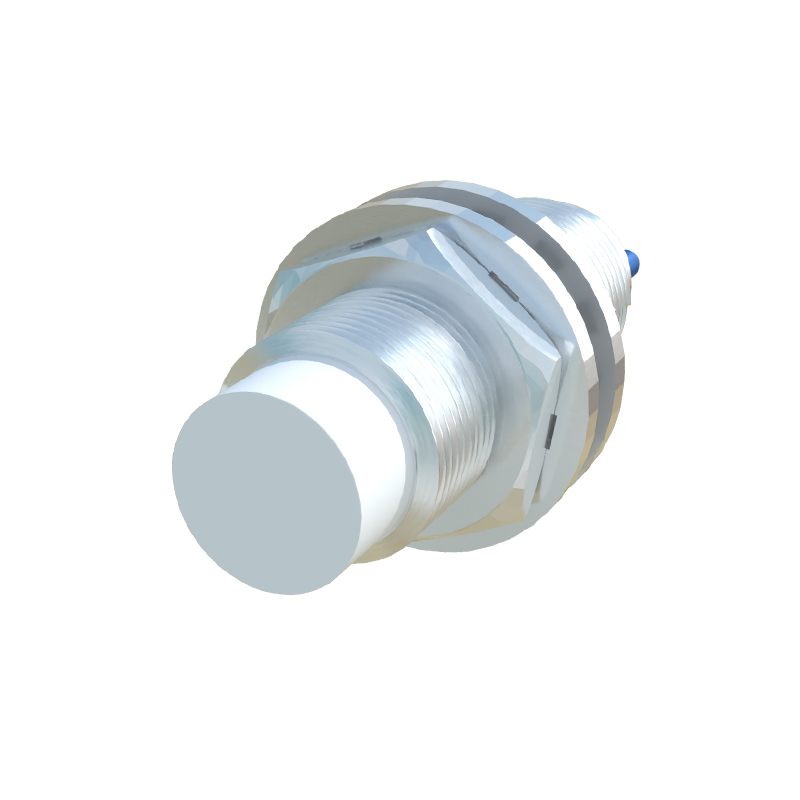
In conclusion, the single-tube infrared proximity sensor is a versatile and robust solution for non-contact object detection. Its integrated, modulated design offers a compelling balance of performance, size, and cost. By understanding its operating principle and meticulously matching its specifications to the application's demands—sensing distance, output type, environmental conditions, and target properties—engineers and designers can reliably implement this technology to enhance automation, safety, and functionality across countless devices and systems.