In the realm of industrial automation, proximity sensors are indispensable components, enabling non-contact detection of objects and ensuring seamless operations in machinery, assembly lines, and robotic systems. As an electrical engineer with years of experience, I've witnessed the critical role that choosing the right proximity sensor supplier plays in project success. This article delves into key considerations for selecting a reliable supplier, highlighting technical, logistical, and strategic factors.
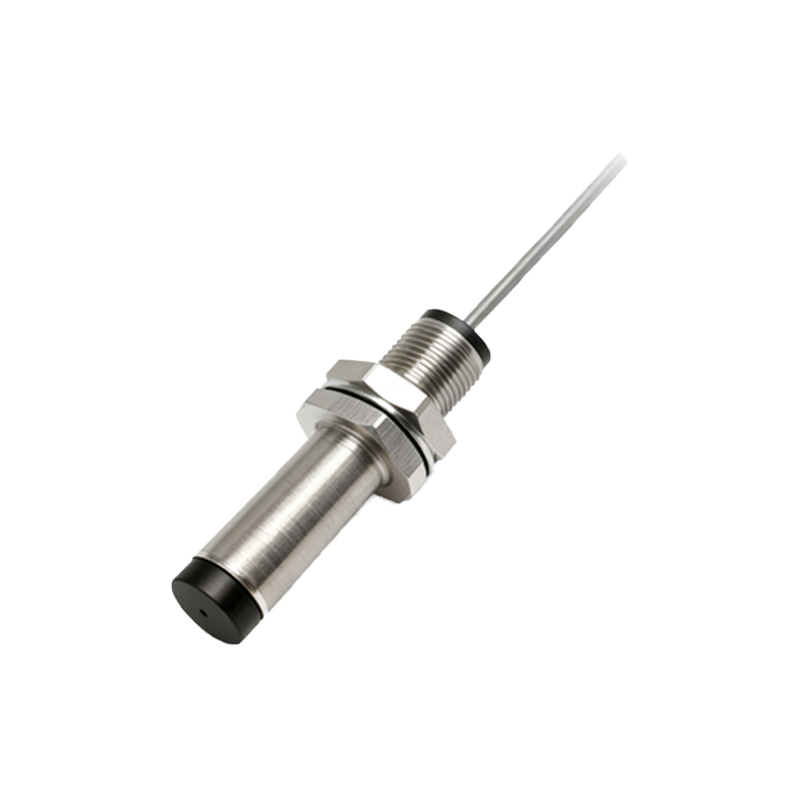
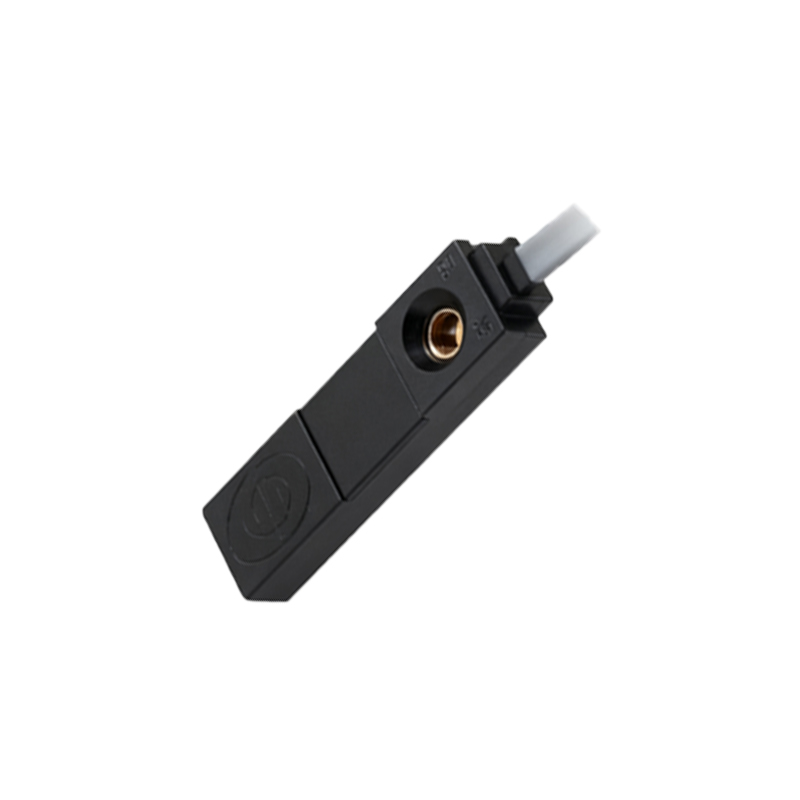
First and foremost, technical specifications are paramount. A reputable supplier should offer a diverse range of proximity sensors, including inductive, capacitive, and ultrasonic types, to cater to various industrial environments. For instance, inductive sensors are ideal for metal detection in harsh conditions, while capacitive sensors excel with non-metallic materials. Ensure the supplier provides detailed datasheets covering sensing ranges, output types (e.g., PNP/NPN), housing materials, and protection ratings like IP67 for dust and water resistance. Compatibility with existing control systems, such as PLCs from Siemens or Allen-Bradley, is also crucial to avoid integration headaches.
Quality and reliability cannot be overstated. Look for suppliers that adhere to international standards like ISO 9001 for quality management and ISO/TS 16949 for automotive applications, if relevant. Certifications from bodies like UL or CE indicate compliance with safety and environmental regulations. In my projects, I've found that suppliers with robust testing protocols—such as life cycle tests under extreme temperatures and vibrations—deliver sensors that minimize downtime. Request samples to evaluate performance in your specific setup; a trustworthy supplier will support this without hesitation.
Another vital aspect is supply chain stability. In today's global market, disruptions can cripple production lines. Assess the supplier's manufacturing capabilities, lead times, and inventory management. Opt for those with multiple distribution centers or local warehouses to reduce shipping delays. For example, suppliers with a presence in key regions like North America, Europe, and Asia often provide faster turnaround. Additionally, inquire about their contingency plans for raw material shortages, as this reflects long-term reliability.
Technical support and after-sales service are equally important. A top-tier supplier should offer comprehensive assistance, from initial consultation to installation and troubleshooting. Check if they provide online resources like CAD models, wiring diagrams, and application guides. Responsive customer service teams with engineering expertise can save valuable time during emergencies. I recall a case where a supplier's rapid on-site support resolved a sensor malfunction in a high-speed packaging line, preventing significant revenue loss.
Cost considerations go beyond the initial price tag. While competitive pricing is attractive, evaluate the total cost of ownership, including maintenance, replacement rates, and energy efficiency. Suppliers offering value-added services, such as customization for unique applications or bulk discounts, can enhance cost-effectiveness. However, avoid compromising on quality for lower costs, as subpar sensors may lead to frequent failures and safety risks.
Finally, consider the supplier's innovation and industry reputation. Leading suppliers invest in R&D to develop advanced features like IO-Link connectivity for smart factory integration or miniaturized designs for space-constrained applications. Review case studies and client testimonials to gauge their track record. Participation in trade shows or partnerships with major automation brands often signals credibility.
In summary, selecting a proximity sensor supplier requires a balanced approach, weighing technical prowess, quality assurance, logistical efficiency, and support services. By prioritizing these factors, engineers can secure partnerships that drive operational excellence and future-proof their industrial systems. Always conduct thorough due diligence—visit facilities if possible, and engage in pilot projects to test compatibility before full-scale deployment.