Proximity sensors are indispensable components in modern automation, robotics, and consumer electronics. Their ability to detect the presence or absence of an object without physical contact makes them reliable and long-lasting. However, selecting the right sensor for an application hinges on a deep understanding of its key technical parameters. Misinterpreting these specifications can lead to system failures, inaccurate readings, and increased costs.
The sensing range, often called nominal range (Sn), is arguably the most critical parameter. It defines the standard operating distance at which the sensor can reliably detect a standard target. It is vital to note that this range is specified under ideal conditions with a predefined target material and size. For inductive sensors, this is typically a square of mild steel. For capacitive sensors, it's often a grounded metal plate. The effective sensing range in a real-world application can vary significantly based on the target material's properties, such as conductivity and permeability. Never assume the listed Sn applies universally to all objects.
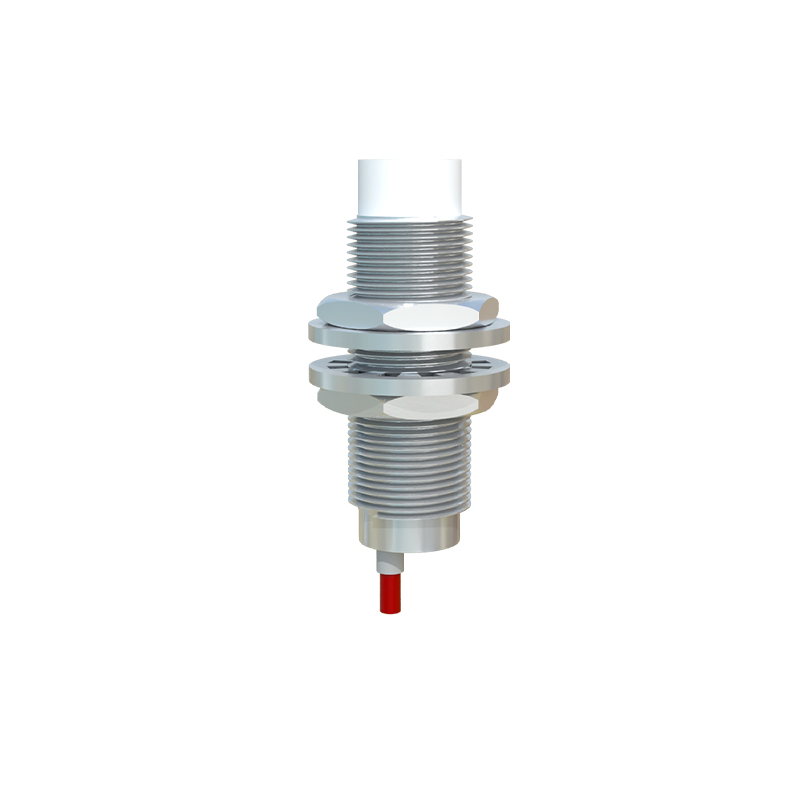
Hysteresis is a fundamental characteristic that ensures stable switching and prevents output chattering when a target is near the detection threshold. It is the difference between the switch-on point (when the target approaches) and the switch-off point (when the target moves away). This built-in dead band prevents the sensor from rapidly toggling its output if the target vibrates or stops precisely at the sensing edge. A sensor with appropriate hysteresis for the application is crucial for clean, unambiguous signals.
Repeatability defines the sensor's precision. It indicates the maximum deviation in the switch-on point across repeated sensing cycles under constant conditions (same target, temperature, and voltage). High repeatability, often measured in micrometers, is essential for precision positioning and measurement tasks. It is a more meaningful indicator of accuracy for most applications than the absolute sensing range tolerance.
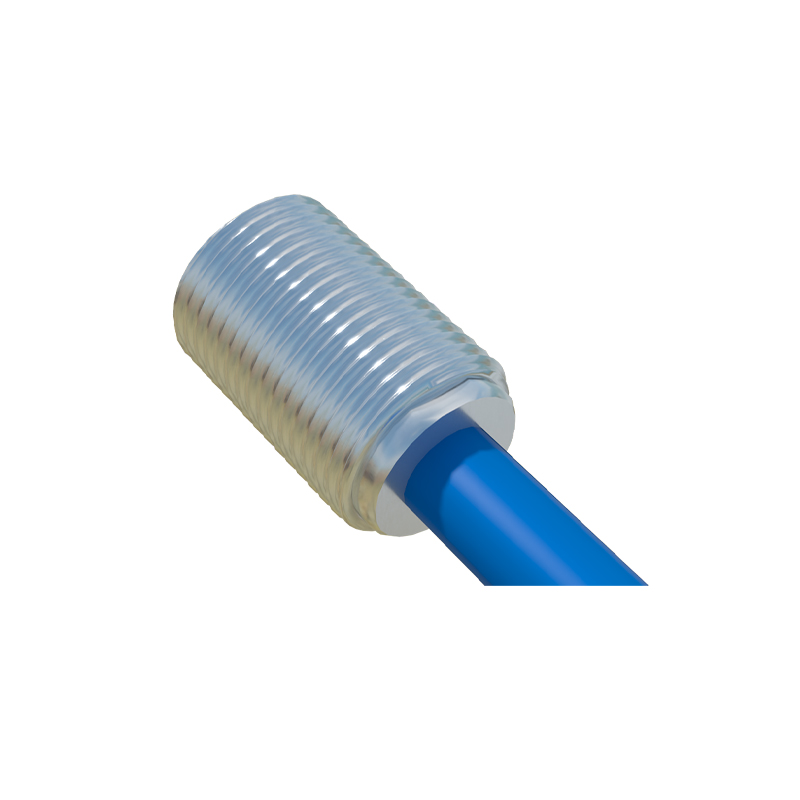
The response time specifies how quickly the sensor can react to a change in target presence. It is usually given as the time from the sensing event to a stable change in the output state. This includes both the sensor's internal processing delay and the rise/fall time of the output signal. For high-speed applications like counting small objects on a fast conveyor, a fast response time (in microseconds or milliseconds) is non-negotiable. Conversely, a slower sensor might be sufficient for detecting the position of a slowly moving door.
Environmental ratings are not mere suggestions. The Ingress Protection (IP) code (e.g., IP67) defines the sensor's resilience against dust and liquids, critical for washdown environments or outdoor use. Operating temperature range ensures the sensor will function correctly in the ambient conditions of the application. Exceeding these limits can cause permanent damage or erratic behavior. For inductive and capacitive sensors, factors like temperature drift—the change in sensing range with temperature—must also be considered for stable long-term operation.
Output configuration is an interface parameter with system-wide implications. The two primary types are NPN (sinking) and PNP (sourcing) for DC sensors, and relay or solid-state for AC/DC models. Choosing the wrong type for your controller's input circuit will result in incompatibility. The output current rating must also be sufficient to drive the connected load, such as a PLC input, relay coil, or indicator lamp.
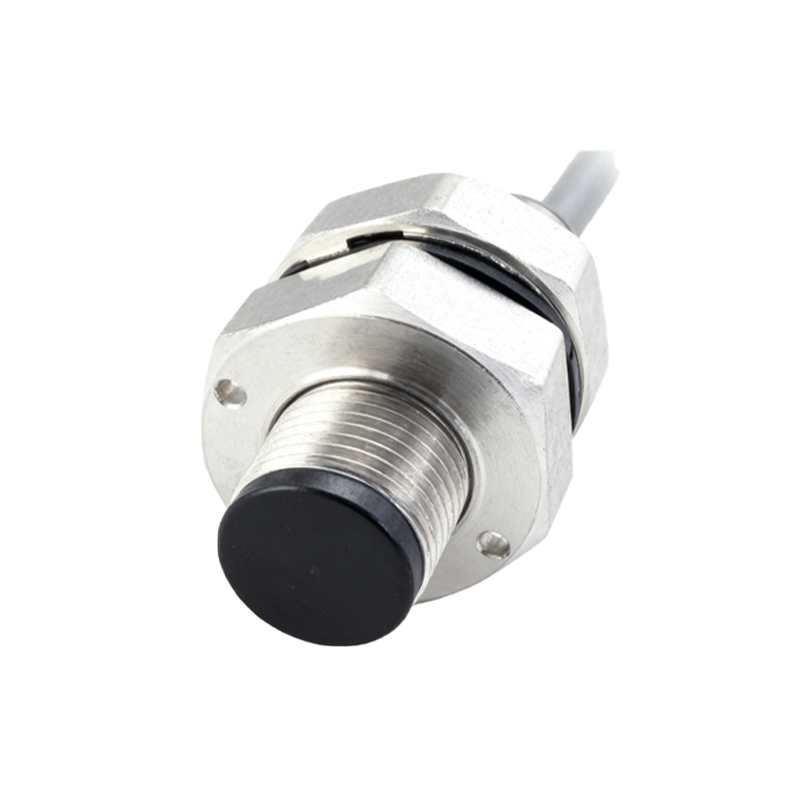
Other vital parameters include the mounting style (flush, non-flush, or tubular), which affects the sensing field and potential side-interference from metal surroundings, and the short-circuit and reverse polarity protection features that enhance durability in electrically noisy or mis-wired installations.
In conclusion, a proximity sensor is defined by more than just its detection range. Parameters like hysteresis, repeatability, response time, environmental ratings, and output type form an interconnected specification sheet. A holistic analysis of all these parameters against the specific application requirements—target material, required precision, speed, environmental challenges, and electrical interface—is the only path to a successful, reliable, and cost-effective implementation. Always consult the manufacturer's detailed datasheet and, when in doubt, request a sample for testing under real operating conditions.