Laser displacement sensors are critical components in modern industrial automation, providing non-contact, high-precision measurement for tasks ranging from thickness gauging and vibration analysis to part positioning and surface inspection. Their reliability is paramount for maintaining production quality and efficiency. However, like any sophisticated electro-optical instrument, they are susceptible to various anomalies that can degrade performance or cause complete failure. Understanding the root causes and implementing systematic troubleshooting is essential for engineers and maintenance personnel.
A primary category of anomalies stems from environmental interference. The operating principle of a triangulation or time-of-flight laser sensor can be severely disrupted by external factors. Ambient light, especially strong direct sunlight or light from other high-intensity sources like welding arcs, can saturate the sensor's receiver, leading to erratic readings or loss of signal. Contaminants such as dust, oil mist, steam, or smoke in the air can scatter or absorb the laser beam, reducing signal strength and measurement stability. Furthermore, electrical noise from nearby high-power equipment, variable frequency drives (VFDs), or improper grounding can introduce signal noise, causing jitter in the output data. Vibration transmitted from machinery to the sensor body can also create measurement noise or physical misalignment over time.
Sensor-specific setup and configuration errors are another frequent source of problems. Incorrect mounting, where the sensor is not perpendicular to the target surface, introduces cosine error, resulting in a consistent measurement offset. Operating outside the specified sensing range or on materials with challenging optical properties often causes issues. For instance, measuring transparent objects (glass, clear plastic) can allow the laser to pass through, while shiny or mirror-like surfaces can specularly reflect the beam away from the receiver. Conversely, dark, matte, or highly absorptive surfaces may return an insufficient amount of light. Incorrectly set parameters in the sensor's controller or amplifier, such as response time, averaging filter settings, or output scaling, can make the sensor seem unstable or unresponsive to actual target movements.
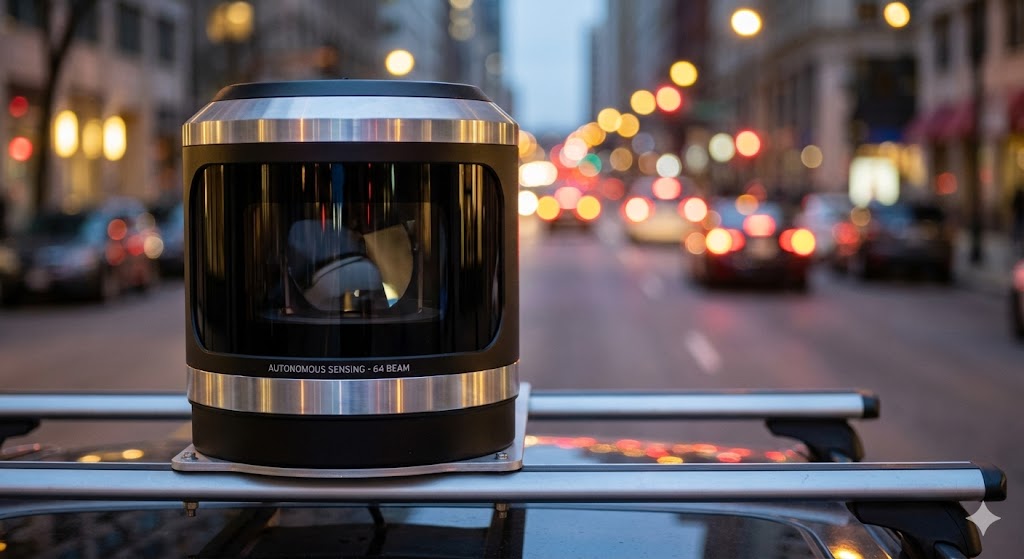
Physical and internal component failures, though less common, must be considered. The laser diode itself can degrade over its operational lifetime, leading to a gradual reduction in output power and a weaker return signal. The optical lens on the front of the sensor is vulnerable to accumulation of dirt, grease, or scratches, which diffuses the laser beam. Internal damage from electrical surges, excessive shock, or prolonged exposure to temperatures beyond the sensor's rated specification can cause permanent malfunction. Connector issues, including loose cables, broken wires, or corroded contacts, often manifest as intermittent failures or communication dropouts.
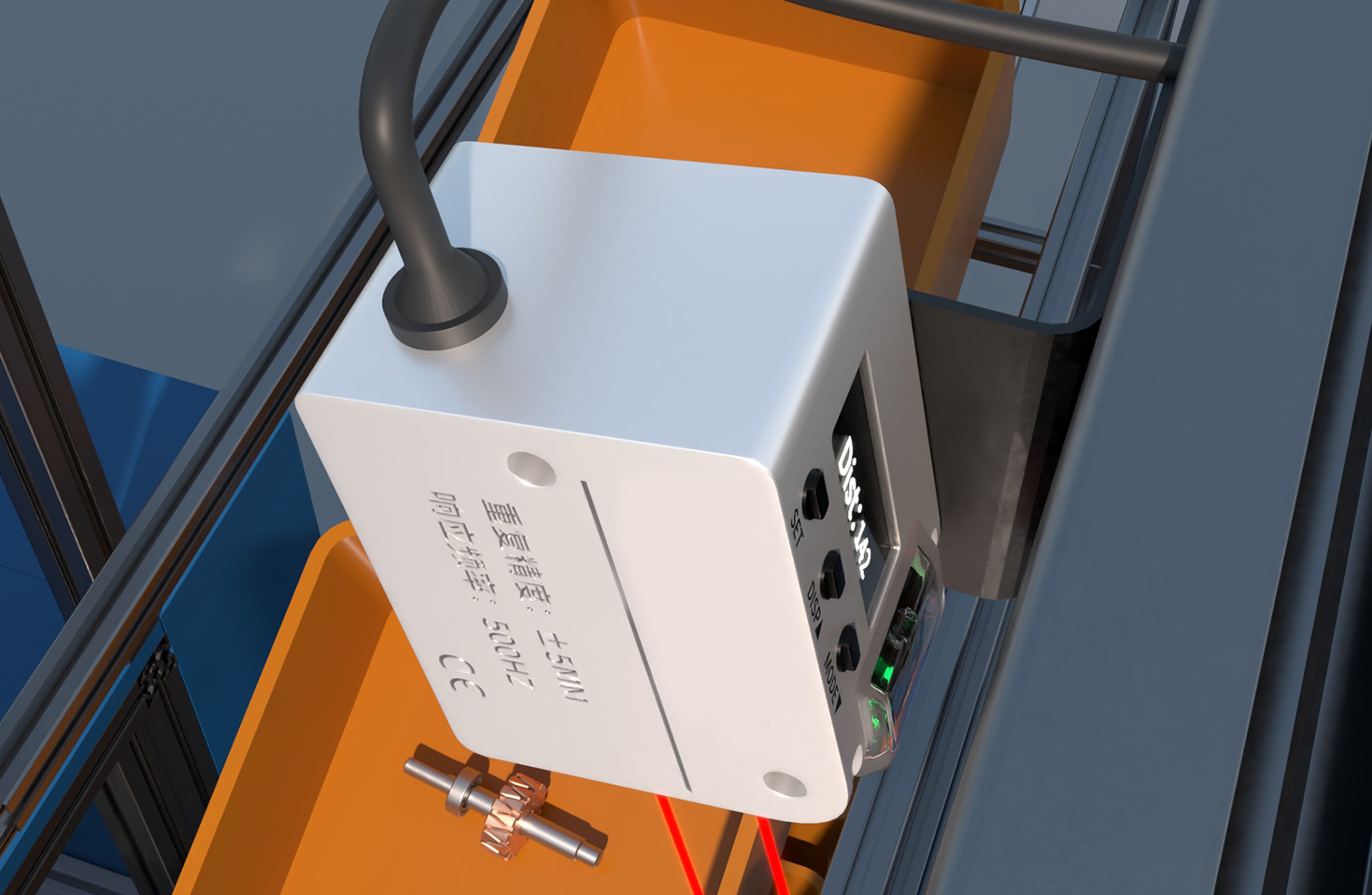
A structured troubleshooting approach is key to resolving these anomalies efficiently. Begin with a visual inspection of the installation. Check for physical damage, lens cleanliness, and secure mounting. Verify cable connections at both the sensor and controller ends. Next, assess the environmental conditions. Can ambient light be shielded? Are contaminants present? Is the sensor adequately isolated from vibration and electrical noise? Use an oscilloscope to monitor the sensor's analog output or the controller's signal for excessive noise.
Evaluate the target itself. Test the sensor on a known, stable reference object with a matte, opaque surface. If performance improves, the issue likely lies with the target material's properties. Consider using a sensor with a different wavelength (e.g., blue laser for red-hot metals or transparent materials) or a diffuse reflection model for difficult surfaces. Review all configuration settings in the controller software, ensuring they match the application requirements. Temporarily disable filters to see if the raw signal is unstable.
For persistent electrical issues, implement best practices for noise immunity. Use shielded cables with proper grounding at only one end (typically the controller), install ferrite cores on cables near noise sources, and ensure the sensor's power supply is stable and isolated. If the sensor communicates via a digital protocol like IO-Link or Ethernet, check for configuration errors or network issues.
Preventive maintenance is crucial for long-term reliability. Establish regular cleaning schedules for sensor lenses using appropriate materials. Periodically verify sensor calibration and performance against a master gauge. Monitor operating temperatures and ensure cooling or heating is applied if the environment is extreme. Keep spare sensors or critical modules on hand for critical processes to minimize downtime.
In conclusion, laser displacement sensor anomalies are multifaceted but diagnosable. By methodically investigating environmental factors, setup parameters, target interactions, and hardware integrity, engineers can quickly isolate the cause. Adhering to proper installation guidelines, selecting the correct sensor model for the application, and implementing a robust maintenance regimen are the most effective strategies for preventing these anomalies and ensuring continuous, precise measurement in demanding industrial environments.