In the rapidly evolving landscape of industrial automation and control systems, multi-function proximity sensors have become indispensable components. These devices, capable of detecting the presence, absence, or position of objects without physical contact, are governed by stringent national standard specifications to ensure reliability, safety, and interoperability across various applications. This article delves into the key aspects of these standards, providing a detailed overview for engineers, procurement specialists, and industry stakeholders.
National standards for multi-function proximity sensors typically encompass a wide range of parameters, including electrical characteristics, environmental durability, performance metrics, and safety requirements. One of the primary focuses is on the sensor's detection capabilities. Standards specify the sensing distance, which must be consistent and repeatable under defined conditions. For instance, the nominal sensing distance is often tested using a standard target made of specific materials, such as mild steel, to ensure uniformity in measurements across different manufacturers. Additionally, the hysteresis—the difference between the switch-on and switch-off points—is regulated to prevent erratic operation in dynamic environments.
Electrical specifications form another critical component of these standards. Voltage ranges, current consumption, output types (e.g., NPN, PNP, analog, or IO-Link), and load capacity are all meticulously defined. This ensures that sensors can be seamlessly integrated into existing control systems without risking damage to connected equipment. Protection against short-circuits, overloads, and reverse polarity is also mandated to enhance operational longevity and reduce downtime. Many standards require sensors to have built-in diagnostics or status indicators, such as LED lights, to facilitate quick troubleshooting and maintenance.
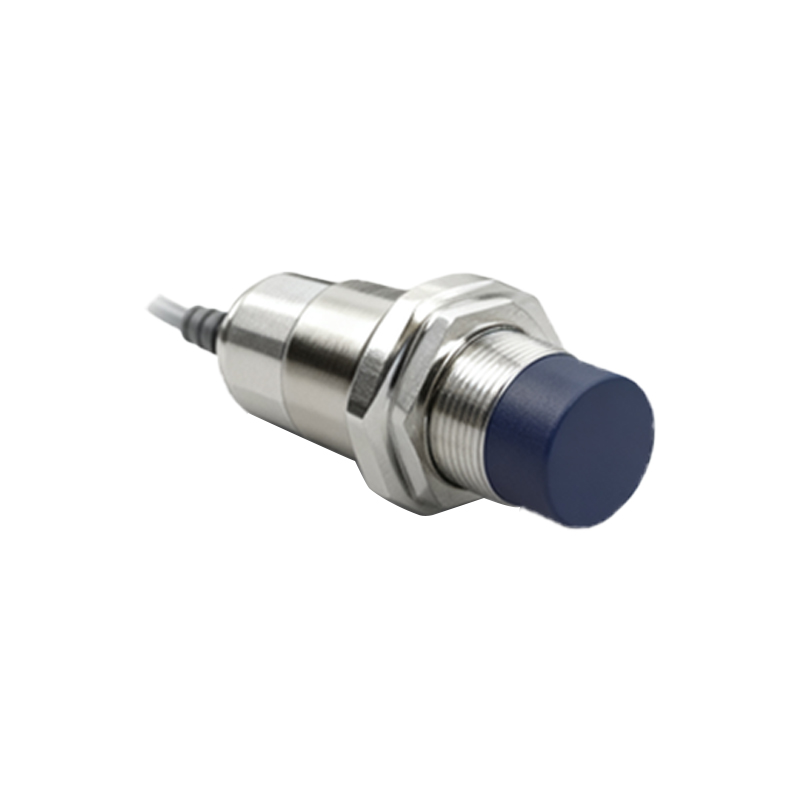
Environmental resilience is paramount, given the harsh conditions often encountered in industrial settings. National standards dictate the degree of protection against ingress of solids and liquids, commonly rated using the IP (Ingress Protection) code. For example, a sensor rated IP67 can withstand temporary immersion in water and is dust-tight, making it suitable for washdown areas or outdoor use. Temperature tolerance is another key factor; sensors must operate reliably within specified temperature ranges, which may extend from -25°C to +70°C or broader, depending on the application. Resistance to vibration, shock, and chemical exposure is also evaluated to ensure durability in demanding environments like manufacturing floors or automotive assembly lines.
Safety considerations are integral to these standards, particularly in sectors where sensor failure could lead to hazardous situations. Standards often reference international safety norms, such as those from IEC (International Electrotechnical Commission) or ISO (International Organization for Standardization), to mitigate risks. This includes requirements for fail-safe operation, where sensors are designed to default to a safe state in case of malfunction. Electromagnetic compatibility (EMC) is another critical aspect; sensors must not emit excessive electromagnetic interference that could disrupt other equipment, and they should be immune to interference from external sources to maintain accurate performance.
The testing and certification processes for compliance with national standards are rigorous. Manufacturers must submit their products to accredited testing laboratories that evaluate conformance through a series of standardized tests. These tests simulate real-world conditions, such as temperature cycling, humidity exposure, and mechanical stress, to validate the sensor's specifications. Upon successful completion, sensors receive certification marks, which serve as a testament to their quality and reliability. Engineers and buyers should always look for these marks when selecting components for critical applications.
Looking ahead, the evolution of national standards for multi-function proximity sensors continues to align with technological advancements. The integration of smart features, such as IoT connectivity and advanced diagnostics, is prompting updates to existing frameworks. Standards are increasingly addressing data communication protocols, cybersecurity measures, and energy efficiency requirements. As industries embrace Industry 4.0 and smart manufacturing, these standards will play a pivotal role in ensuring that sensors not only meet current needs but are also future-proof.
In conclusion, adherence to national standard specifications is essential for the optimal performance and safety of multi-function proximity sensors. By understanding these standards, professionals can make informed decisions, enhance system reliability, and contribute to the overall efficiency of automated processes. As the industry progresses, staying updated with revisions and new standards will be crucial for maintaining a competitive edge and fostering innovation in sensor technology.