In the realm of industrial automation and electrical engineering, chip proximity switch sensors have emerged as indispensable components, driving efficiency, safety, and precision across diverse applications. These compact, integrated devices are designed to detect the presence or absence of an object within a specified range without physical contact, leveraging advanced semiconductor technology to deliver reliable performance. Unlike traditional mechanical switches, chip proximity sensors operate based on electromagnetic, capacitive, or inductive principles, allowing them to function in harsh environments where dust, moisture, or vibration might compromise other systems.
The core functionality of a chip proximity switch sensor lies in its ability to convert physical proximity into an electrical signal. For instance, inductive sensors generate an electromagnetic field and detect changes caused by metallic objects, while capacitive sensors respond to variations in capacitance from non-metallic materials. This non-contact detection mechanism minimizes wear and tear, extending the lifespan of both the sensor and the machinery it monitors. In manufacturing lines, these sensors are pivotal for tasks such as object counting, position verification, and speed monitoring, ensuring seamless operation in assembly processes. Automotive industries rely on them for safety features like parking assistance and collision avoidance, where milliseconds of detection time can prevent accidents.
Moreover, the integration of chip technology has revolutionized proximity sensors by enhancing their sensitivity, response time, and miniaturization. Modern chip-based sensors incorporate microcontrollers and signal-processing circuits directly onto a single chip, enabling features like programmable thresholds, self-diagnostics, and digital communication protocols such as IO-Link or I2C. This allows for easy integration into smart factories and Internet of Things (IoT) networks, where real-time data from sensors can be analyzed to optimize production workflows. Energy efficiency is another key benefit, as these sensors consume minimal power while maintaining high accuracy, contributing to sustainable operations in sectors like renewable energy and building automation.
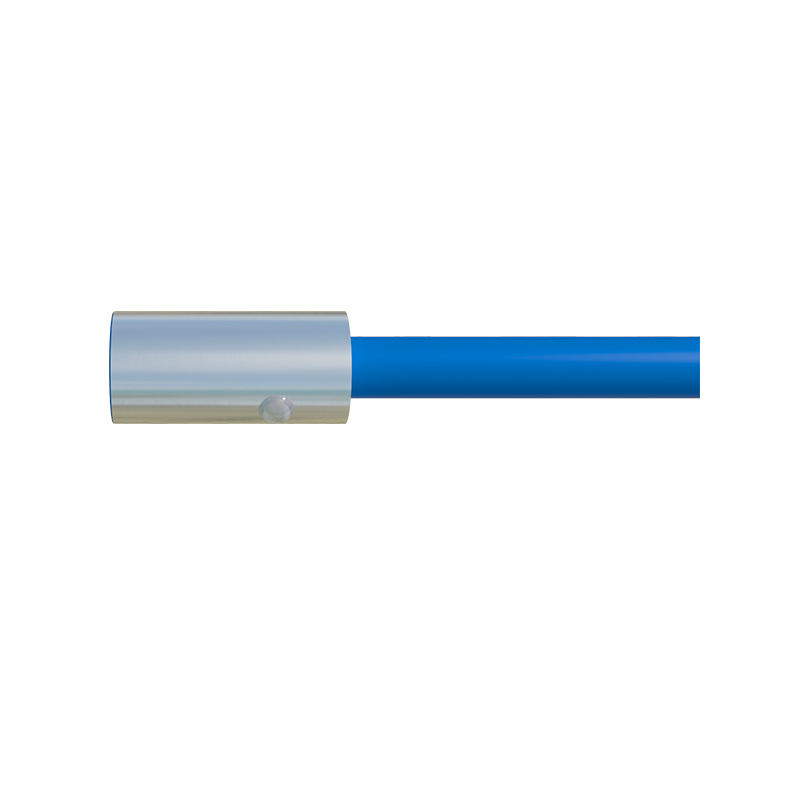
Despite their advantages, selecting the right chip proximity switch sensor requires careful consideration of factors like sensing range, material compatibility, and environmental conditions. Engineers must assess application-specific needs, such as temperature extremes or exposure to chemicals, to choose between shielded or unshielded designs. Regular maintenance, though minimal, involves calibration checks to ensure consistent performance. As technology advances, trends like the adoption of MEMS (Micro-Electro-Mechanical Systems) and AI-enhanced sensing are poised to further expand the capabilities of these sensors, making them even more integral to future innovations in robotics, medical devices, and smart infrastructure.
In summary, chip proximity switch sensors represent a critical advancement in electrical systems, offering non-contact detection that boosts reliability and automation. Their role in improving operational safety, reducing downtime, and enabling data-driven decisions underscores their value in today’s technology-driven world. For professionals in the electrical industry, understanding these sensors is essential for designing efficient and resilient systems that meet evolving industrial demands.