Proximity sensors are essential components in modern industrial automation, enabling non-contact detection of objects within a specified range. Identifying the correct type of proximity sensor for a specific application requires a systematic approach based on technical parameters, environmental conditions, and operational requirements. This article outlines practical methods for identifying and selecting proximity sensors in industrial settings.
The first step in identifying a proximity sensor is to determine its sensing technology. Inductive proximity sensors are designed to detect metallic objects without physical contact. They generate an electromagnetic field and react to changes caused by ferrous or non-ferrous metals. These sensors are ideal for applications involving metal detection, such as in conveyor systems or machine tool positioning. Capacitive proximity sensors, on the other hand, can detect both metallic and non-metallic materials, including liquids, plastics, and wood. They operate by measuring changes in capacitance and are suitable for level detection or material handling. Ultrasonic sensors use sound waves to detect objects, making them effective for distance measurement and presence detection in challenging environments. Photoelectric sensors employ light beams to sense objects and are versatile for long-range detection.
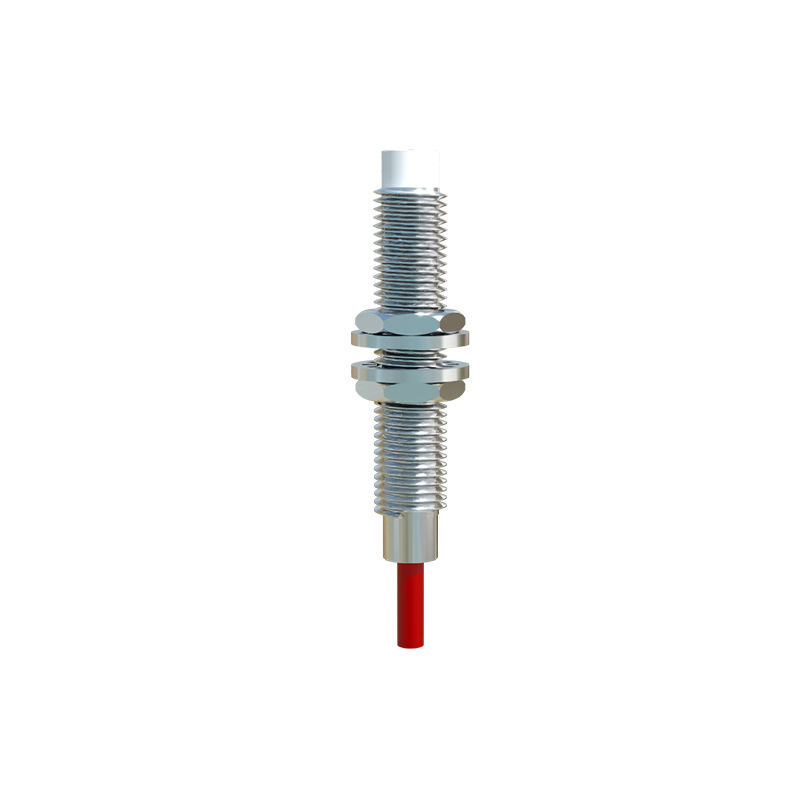
Once the technology is identified, evaluate the sensor's specifications. Key parameters include sensing distance, which varies based on the sensor type and target material. For inductive sensors, the nominal sensing distance is typically specified for standard steel targets. It is crucial to consider reduction factors for non-ferrous metals. Response time is another critical factor, especially in high-speed automation processes. Sensors with fast response times ensure accurate detection in rapid production lines. Environmental conditions also play a significant role. Factors such as temperature extremes, humidity, dust, and chemical exposure can affect sensor performance. Industrial-grade sensors with appropriate ingress protection (IP) ratings should be selected for harsh environments.
Electrical characteristics must be matched to the control system. Proximity sensors are available in various output configurations, including NPN (sinking) and PNP (sourcing) transistor outputs, as well as analog outputs for continuous measurement. Voltage ratings, current capacity, and wiring requirements should align with the existing electrical infrastructure. Additionally, consider the physical design, such as cylindrical, rectangular, or ring-shaped housings, which influence installation and integration into machinery.
Testing and validation are essential steps in the identification process. Use a multimeter to check output signals and verify switching behavior. For inductive and capacitive sensors, test with representative target materials under actual operating conditions. Calibration may be necessary for ultrasonic and photoelectric sensors to ensure accuracy. Documentation, including datasheets and manufacturer guidelines, provides valuable information for identification and troubleshooting.
In summary, identifying proximity sensors involves analyzing technology, specifications, environmental suitability, electrical compatibility, and physical design. By following a structured approach, engineers can ensure optimal sensor selection, enhancing reliability and efficiency in industrial automation systems. Regular maintenance and adherence to industry standards further support long-term performance.