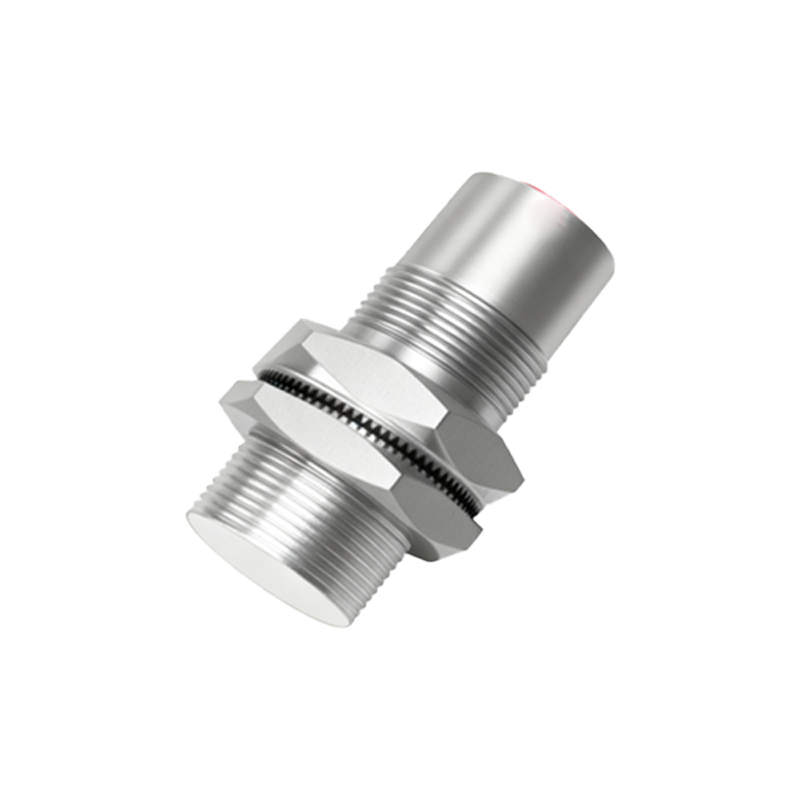
In the realm of industrial automation and machine design, proximity sensors are indispensable components that enable non-contact detection of objects. A top-tier proximity sensor distinguishes itself through a combination of advanced technology, robust construction, and exceptional performance. This article delves into the key characteristics that define a premium proximity sensor, offering insights for engineers and procurement specialists seeking reliable solutions.
First and foremost, precision and accuracy are paramount. A high-end proximity sensor must deliver consistent and repeatable detection with minimal error margins. This involves advanced sensing technologies such as inductive, capacitive, or ultrasonic methods, tailored to specific applications. For instance, inductive sensors excel in detecting metallic objects, while capacitive sensors can identify non-metallic materials like plastics or liquids. The best sensors incorporate sophisticated signal processing algorithms to filter out environmental noise, ensuring stable operation even in electrically noisy environments.
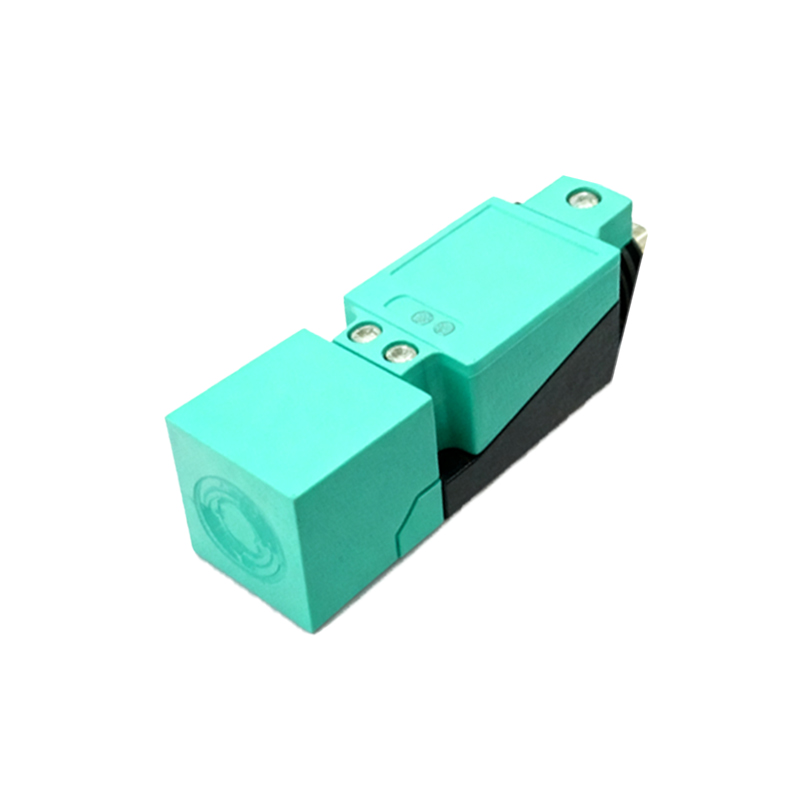
Durability and build quality are critical factors. Industrial settings often expose sensors to harsh conditions, including extreme temperatures, moisture, dust, and mechanical vibrations. Top-tier sensors are housed in rugged enclosures, typically made from stainless steel or high-grade plastics, with ingress protection ratings like IP67 or IP69K. These ratings guarantee resistance to water, oil, and particulate matter, extending the sensor's lifespan and reducing maintenance needs. Additionally, premium models feature robust wiring and connectors that withstand frequent flexing and physical stress.
Another hallmark of excellence is versatility and adaptability. Leading proximity sensors offer adjustable sensing ranges, configurable output types (e.g., NPN, PNP, analog, or IO-Link), and easy integration with various control systems. IO-Link compatibility, in particular, enables smart sensor functionality, allowing for real-time diagnostics, parameter adjustments, and predictive maintenance. This connectivity enhances overall system efficiency and reduces downtime by providing actionable data on sensor health and performance.
Energy efficiency and environmental compliance are increasingly important. Top sensors are designed to consume minimal power without sacrificing detection capabilities, contributing to lower operational costs and sustainability goals. They also adhere to international standards such as RoHS and REACH, ensuring they are free from hazardous substances and safe for use in diverse industries.
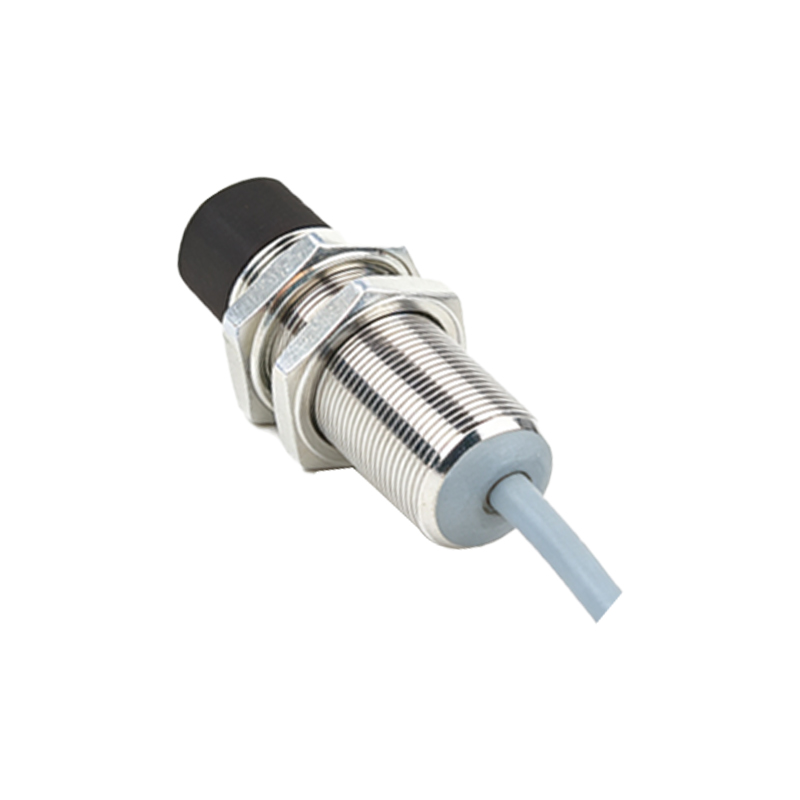
Finally, reliability and long-term support set premium sensors apart. Manufacturers of high-quality proximity sensors provide comprehensive documentation, including detailed datasheets, application notes, and CAD models for easy design integration. They also offer robust warranties and responsive technical support, ensuring that any issues are promptly addressed. Field-proven performance in demanding applications—from automotive assembly lines to food processing plants—further validates their superiority.
In summary, a top-tier proximity sensor combines cutting-edge technology, rugged construction, smart features, and unwavering reliability. By prioritizing these attributes, engineers can select sensors that enhance machine performance, improve safety, and optimize operational efficiency in any industrial environment.