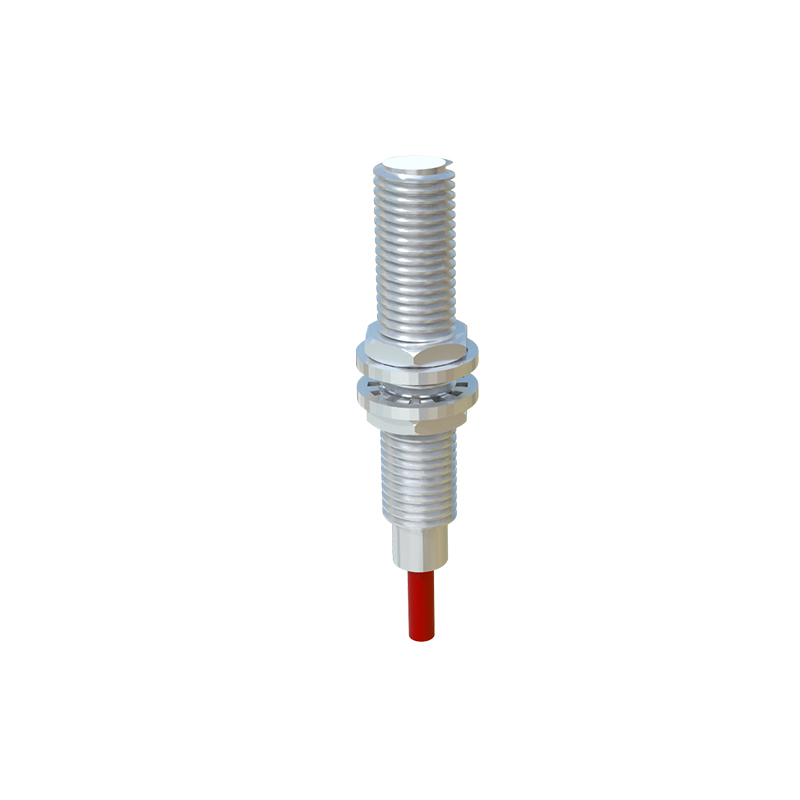
Touch and proximity switch sensors are fundamental components in modern industrial automation, serving as the primary interface between physical actions and electronic control systems. These sensors detect the presence or absence of an object without physical contact (proximity) or with minimal physical contact (touch), triggering a control signal. Their reliability, speed, and durability make them indispensable in manufacturing, packaging, robotics, and safety systems.
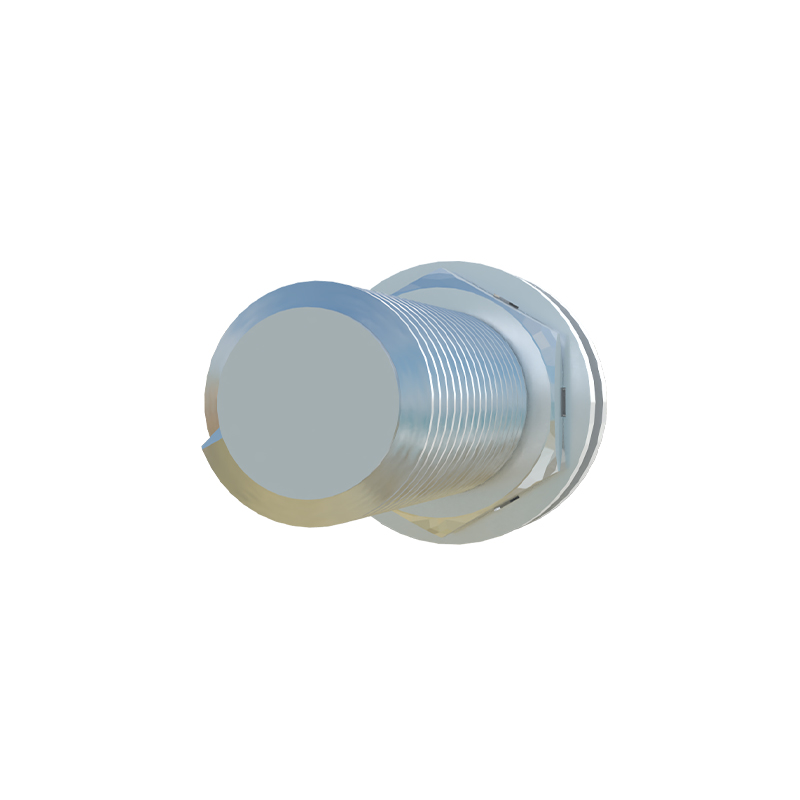
The core principle of a proximity sensor is based on the change of an electromagnetic field or a beam of radiation. The most common types are inductive, capacitive, and photoelectric sensors. Inductive proximity sensors are used to detect metallic objects. They contain a coil wound around a ferrite core, an oscillator, a detection circuit, and an output circuit. The oscillator generates a high-frequency electromagnetic field that radiates from the sensor's active face. When a metallic object enters this field, eddy currents are induced on the surface of the object. These eddy currents draw energy from the oscillator, causing its amplitude to decrease. The sensor's detection circuit monitors this amplitude change and triggers a solid-state output switch (typically PNP or NPN) when the decrease reaches a predetermined threshold. The sensing range depends on the sensor's design and the type of metal; ferrous metals like iron and steel are detected at greater distances than non-ferrous metals like aluminum or copper.
Capacitive proximity sensors, on the other hand, can detect both metallic and non-metallic materials such as plastics, glass, wood, and liquids. They operate by generating an electrostatic field. The sensor acts as one plate of a capacitor, and the target object acts as the other plate. As the object approaches, the capacitance between the sensor and the object increases. An internal oscillator is designed to start oscillating only when this capacitance exceeds a specific level. The change in oscillation is processed by the circuit to activate the output. These sensors are ideal for level detection of powders or liquids inside non-metallic containers.
Photoelectric sensors use light beams, typically infrared, modulated LED, or laser. They consist of an emitter and a receiver. The presence of an object is detected by either interrupting the beam (through-beam mode), reflecting the beam back to the receiver (retro-reflective mode), or reflecting the beam off the object itself (diffuse-reflective mode). The receiver converts the light signal into an electrical signal for processing. They are excellent for long-range detection and sensing of any material that interrupts the light path.
Touch sensors, often referred to as tactile or limit switches, require physical contact or minimal force to operate. A basic mechanical limit switch contains an actuator (like a lever or roller) linked to a set of electrical contacts. When an object applies force to the actuator, it moves and changes the state of the contacts from open to closed (or vice versa), completing or breaking an electrical circuit. While simpler, they involve mechanical wear. More advanced touch technologies include capacitive touch sensors (similar to smartphone screens) that detect the capacitance change caused by a finger or conductive object, and piezoelectric sensors that generate a voltage when mechanical stress is applied.
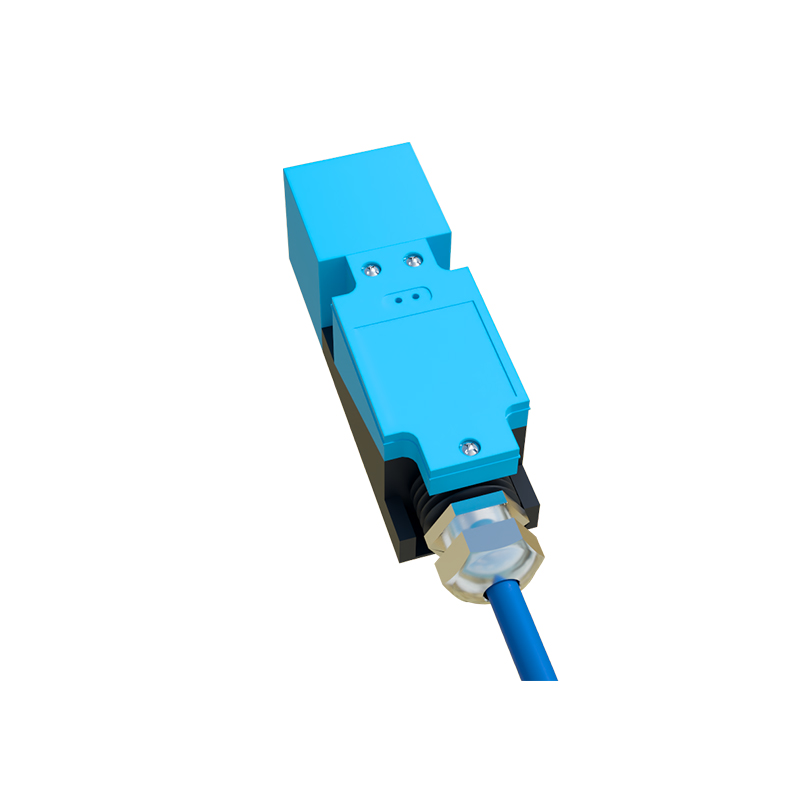
The selection between touch and proximity sensors depends on the application. Proximity sensors offer non-contact operation, high switching frequency, long service life (no moving parts), and resilience in harsh environments (dust, oil). They are perfect for counting, positioning, and speed monitoring where contact is undesirable. Touch sensors, particularly robust mechanical limit switches, are often chosen for applications requiring precise mechanical positioning, end-of-travel detection, or where the physical force of contact is part of the process, such as in safety door interlocks.
In terms of output, these sensors provide digital signals (on/off) to a Programmable Logic Controller (PLC) or other control devices. Key specifications include sensing distance, repeat accuracy, response time, output type, and environmental protection rating (IP code). Proper installation is critical, considering factors like mounting flush or non-flush for inductive sensors, avoiding mutual interference between multiple sensors, and ensuring the target object's material, size, and approach direction are within specifications.
In conclusion, understanding the underlying principles of electromagnetic fields, capacitance, and light detection is crucial for effectively deploying touch and proximity sensors. Their ability to convert a physical event into a precise, reliable electrical command forms the backbone of automated system logic, enhancing efficiency, safety, and productivity across countless industrial processes. Continuous advancements in miniaturization, sensing range, and intelligence (IO-Link) are further expanding their capabilities and applications.