In industrial automation, proximity sensors are indispensable components that provide non-contact detection of metallic or non-metallic objects. However, a common issue that engineers frequently encounter is a proximity sensor flashing constantly. This persistent flashing not only disrupts production lines but also indicates underlying problems that require immediate attention. Understanding the root causes and implementing effective solutions is crucial for maintaining operational efficiency and minimizing downtime.
One of the primary reasons for a proximity sensor flashing continuously is electrical interference. In industrial environments, proximity sensors often operate alongside high-power equipment such as motors, variable frequency drives (VFDs), or welding machines. These devices generate electromagnetic interference (EMI) or radio frequency interference (RFI), which can disrupt the sensor's signal processing. When exposed to such interference, the sensor may misinterpret environmental noise as object detection, leading to erratic flashing. To mitigate this, engineers should ensure proper shielding of sensor cables, use twisted-pair wiring, and maintain adequate distance between sensors and potential sources of interference. Additionally, installing ferrite cores or filters on power and signal lines can significantly reduce noise impact.
Another common cause is improper installation or alignment. Proximity sensors rely on precise positioning to detect targets accurately. If the sensor is misaligned, mounted too far from the target, or installed in a vibrating environment, it may fail to maintain consistent detection. For instance, a sensor designed for a sensing range of 10mm might flash intermittently if the target object fluctuates beyond this range due to mechanical vibrations. Engineers should verify the sensor's datasheet specifications, including sensing distance and mounting requirements. Realigning the sensor, securing mounting brackets, or using vibration-dampening materials can resolve such issues. Regular maintenance checks are also essential to ensure that sensor positions remain stable over time.
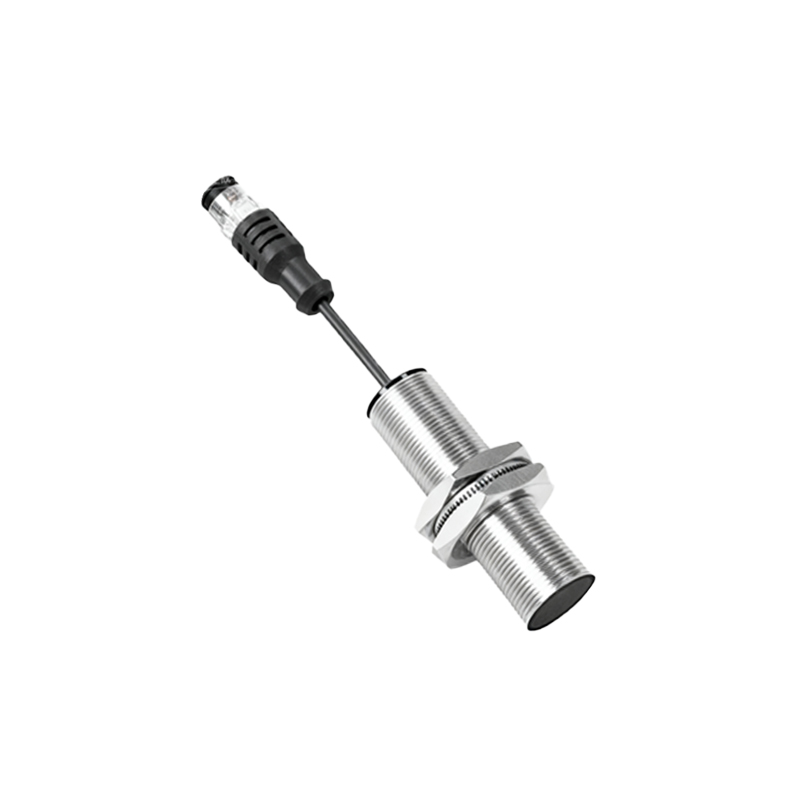
Environmental factors, such as contamination or temperature extremes, can also lead to constant flashing. Dust, oil, metal shavings, or moisture accumulating on the sensor's face can obstruct its detection field, causing false triggers. In high-temperature settings, sensors may overheat, affecting their internal electronics and leading to unstable operation. Conversely, in cold environments, condensation or frost buildup can interfere with performance. To address this, selecting sensors with appropriate ingress protection (IP) ratings—such as IP67 for dust and water resistance—is vital. For extreme temperatures, choosing sensors rated for the specific operating range (e.g., -25°C to 70°C) and implementing protective enclosures or cooling systems can prevent malfunctions. Routine cleaning using non-abrasive materials is recommended to maintain sensor clarity.
Wiring and power supply issues are frequent culprits behind flashing sensors. Loose connections, corroded terminals, or damaged cables can create intermittent electrical contact, causing the sensor to flash erratically. Similarly, voltage fluctuations or insufficient power supply—such as using an underrated power source—can destabilize sensor operation. Engineers should conduct thorough inspections of all wiring connections, ensuring they are tight and free from corrosion. Using multimeters to check voltage levels at the sensor terminals can identify power inconsistencies. Implementing stabilized power supplies or surge protectors helps maintain consistent voltage, while adhering to manufacturer-recommended cable types and lengths reduces signal loss.
In some cases, the problem may stem from sensor wear or internal component failure. Proximity sensors, like all electronic devices, have a finite lifespan. Continuous operation in harsh conditions can degrade internal circuits, oscillators, or output transistors, leading to flashing behavior. If troubleshooting external factors yields no resolution, the sensor itself may be faulty. Engineers can perform diagnostic tests, such as monitoring output signals with an oscilloscope or replacing the sensor with a known working unit to confirm the issue. Proactive replacement based on operational hours or environmental stress can prevent unexpected failures.
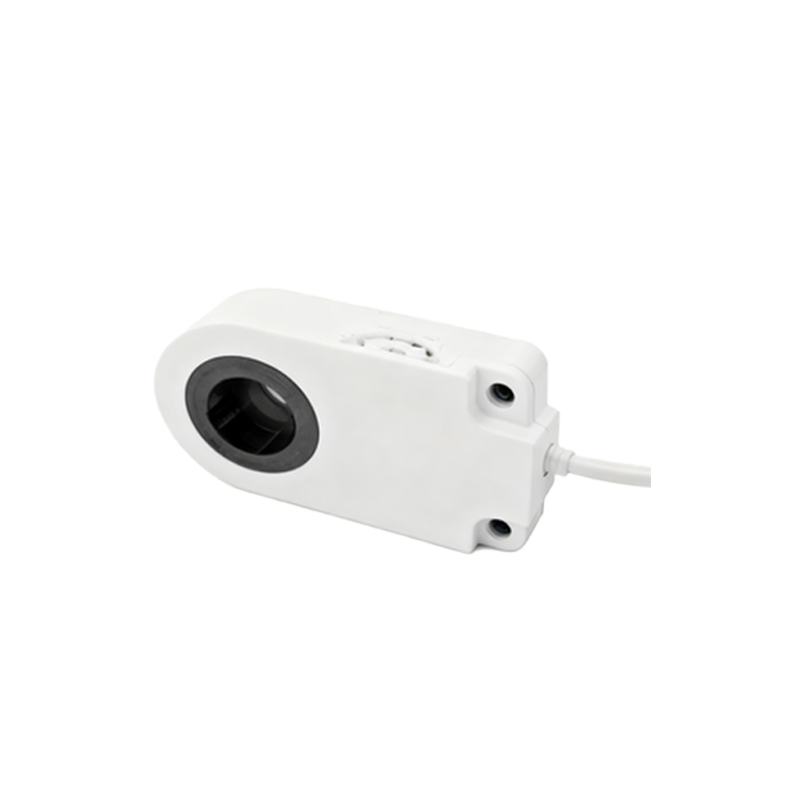
Finally, programming or configuration errors in the connected control system—such as PLCs or relays—can cause misinterpretation of sensor signals. For example, incorrect delay settings or logic programming might interpret brief sensor fluctuations as continuous flashing. Reviewing and adjusting the control program parameters, including debounce times or filter settings, can align system response with sensor behavior. Collaboration between electrical and software engineering teams ensures seamless integration and troubleshooting.
In conclusion, a proximity sensor flashing constantly is a multifaceted issue requiring systematic analysis. By addressing electrical interference, installation accuracy, environmental challenges, wiring integrity, sensor health, and control system settings, engineers can restore reliable operation. Prioritizing preventive measures and regular maintenance not only resolves immediate problems but also enhances long-term system resilience in industrial applications.