In the realm of industrial automation and control systems, proximity sensors are indispensable components for non-contact detection. Among the various form factors available, the square proximity sensor stands out for its unique blend of performance, durability, and installation flexibility. This article delves into the fundamentals, operating principles, key features, and typical applications of square proximity sensors, providing a detailed overview for electrical engineers and industry professionals.
A square proximity sensor, as the name implies, is a non-contact sensing device housed in a robust, square-shaped body. Its primary function is to detect the presence or absence of a target object within its sensing range without any physical contact. This detection triggers an electrical signal in the sensor's output circuit, which is then used to control machinery, count objects, or signal a specific state in an automated process. The square design is not merely aesthetic; it offers distinct practical advantages over cylindrical sensors, particularly in mounting and environmental protection.
The core technology behind most square proximity sensors is based on electromagnetic fields. The two most prevalent types are inductive and capacitive sensors. Inductive square proximity sensors are the workhorses of metal detection. They generate an oscillating electromagnetic field from a coil located in the face of the sensor. When a metallic target enters this field, it induces eddy currents within the metal, which dampens the oscillation of the sensor's internal circuit. This change is detected and processed to switch the output state (e.g., from OFF to ON). These sensors are ideal for detecting ferrous and non-ferrous metals, with sensing ranges typically specified for mild steel.
Capacitive square proximity sensors operate on a different principle. They can detect both metallic and non-metallic materials, such as plastics, glass, wood, and liquids. These sensors function by generating an electrostatic field. When any material with a different dielectric constant than air enters this field, it alters the capacitance of the sensor's circuit, leading to a change in oscillation amplitude that triggers the output. This makes capacitive square sensors highly versatile for applications beyond simple metal detection, including level sensing of powders or liquids through a container wall.
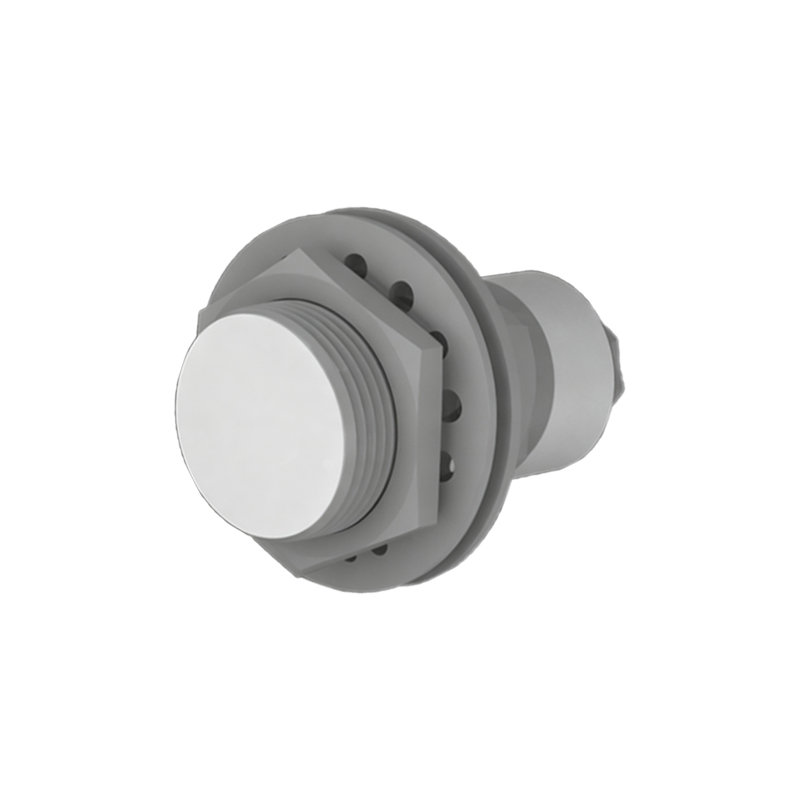
The square housing design confers several critical benefits. Firstly, it provides a larger surface area for labeling, often featuring clear, laser-etched markings for part number, electrical ratings, and wiring diagrams, which aids in installation and maintenance. Secondly, the flat sides facilitate secure and stable mounting using standard brackets or directly onto a flat surface, reducing vibration-related issues. Many models are designed with through-holes or integrated mounting lugs for this purpose. Thirdly, the shape often allows for better sealing, resulting in higher Ingress Protection (IP) ratings, such as IP67 or IP69K. This makes them exceptionally resistant to dust, water jets, and high-pressure washdowns, which are common in harsh industrial environments like food and beverage processing or automotive manufacturing.
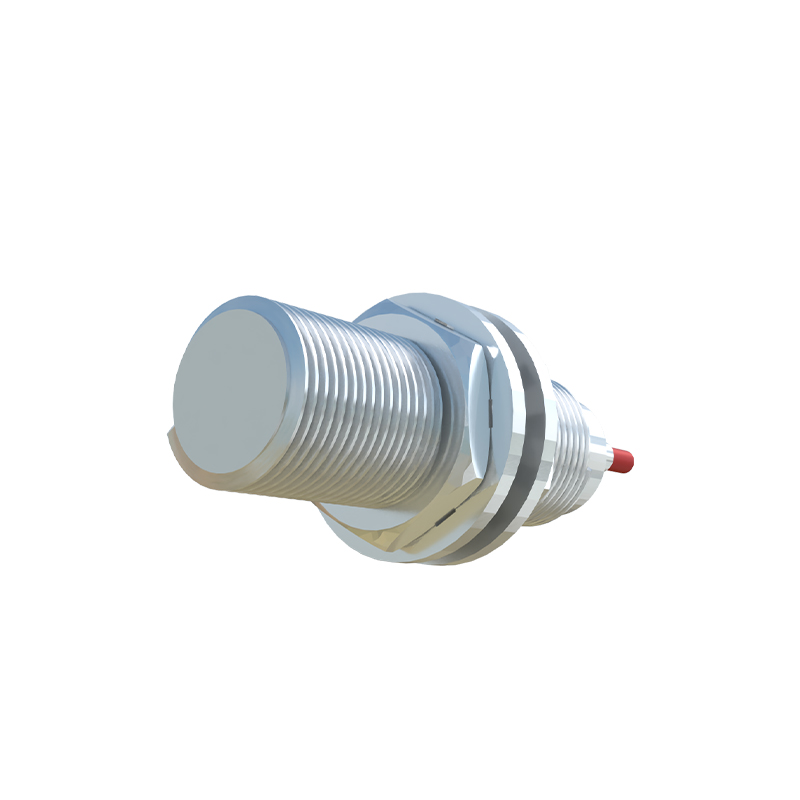
Key specifications for selecting a square proximity sensor include sensing distance, output type, supply voltage, and housing material. The rated operating distance (Sn) is a crucial parameter, typically ranging from a few millimeters to several tens of millimeters. Engineers must consider a safety factor, often applying a derating of 10-20% for reliable operation under varying conditions. Outputs are generally solid-state, either NPN (sinking) or PNP (sourcing) transistor configurations, with 3-wire or 4-wire designs. Some advanced models feature analog outputs (4-20 mA or 0-10 V) or IO-Link digital communication for Industry 4.0 applications. The housing is commonly constructed from nickel-plated brass, stainless steel, or ruggedized PBT/PA plastic, chosen based on the required chemical resistance and mechanical strength.
Application areas for square proximity sensors are vast. In material handling, they are used for pallet detection, conveyor jam prevention, and box counting. In machine tools, they serve as end-of-travel limit switches or tool presence verification. Their robust construction makes them perfect for aggressive environments: detecting metal parts on welding lines, monitoring bottle caps on filling lines, or sensing the position of hydraulic cylinders in mobile equipment. The square form factor is particularly favored in control panel design and tight spaces where a flat-profile sensor can be neatly integrated.
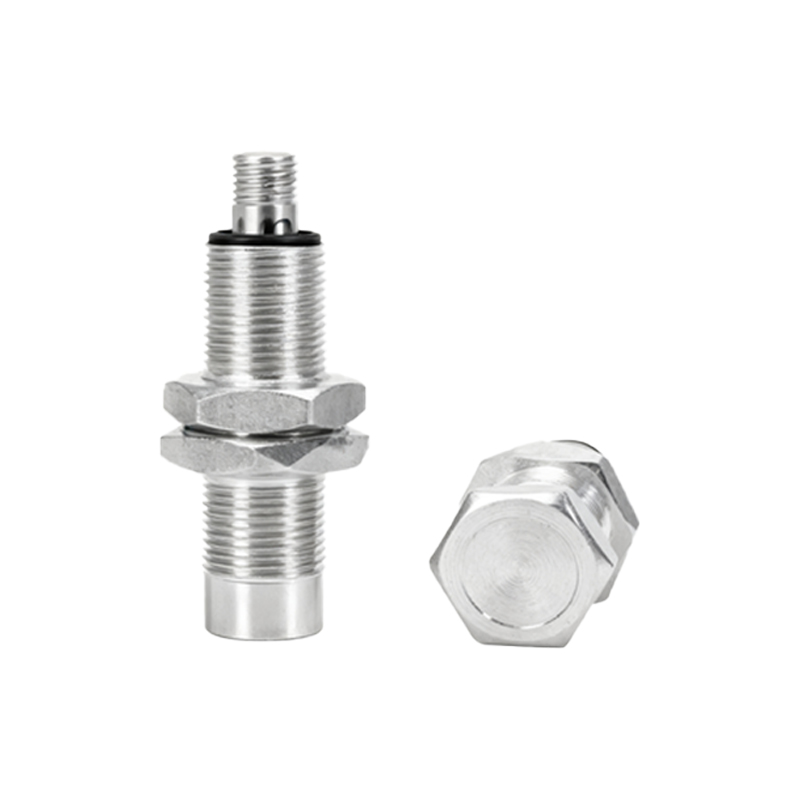
In conclusion, the square proximity sensor is a robust, versatile, and highly reliable solution for object detection in demanding industrial settings. Its design optimizes mounting stability, environmental sealing, and user information accessibility. By understanding the principles of inductive and capacitive sensing, along with the critical selection parameters, electrical engineers can effectively specify and integrate these sensors to enhance the safety, efficiency, and intelligence of automated systems. As industrial networks evolve, the integration of smart features into the classic square housing ensures this sensor type will remain a cornerstone of automation for the foreseeable future.
SEO描述