In the rapidly evolving landscape of industrial automation, the 20s proximity photoelectric sensor has emerged as a critical component for enhancing efficiency, safety, and precision. This sensor, characterized by its fast response time—often in the range of 20 milliseconds or less—and its ability to detect objects without physical contact, serves a multitude of functions across various sectors. Its utility stems from the fundamental principle of emitting a light beam, typically infrared, visible red, or laser, and detecting changes in the received light caused by the presence or absence of a target object.
One of the primary applications of the 20s proximity photoelectric sensor is in object detection and counting on high-speed production lines. In packaging, bottling, and assembly operations, these sensors reliably detect products as they move along conveyors. Their rapid response time ensures accurate counting and triggering of subsequent actions, such as sorting, labeling, or diverting items, even at exceptionally high line speeds. This prevents jams, ensures product flow consistency, and is integral to maintaining overall equipment effectiveness (OEE).
Furthermore, these sensors are indispensable for precise positioning control. In robotic arms and automated guided vehicles (AGVs), a 20s sensor can detect the exact position of a component or a navigation marker. This allows for accurate pick-and-place operations, alignment of parts for assembly, and precise docking of AGVs at charging or loading stations. The non-contact nature of detection eliminates wear and tear associated with mechanical limit switches, significantly reducing maintenance needs and downtime.
Another vital use case is in the realm of safety and access control. Photoelectric sensors are often deployed as safety curtains or light barriers around hazardous machinery. A 20s response time is crucial here; if the sensor's beam is interrupted by a person or object entering a dangerous zone, it can send a stop signal to the machinery almost instantaneously, preventing accidents. Similarly, in automated doors and access gates, these sensors detect approaching personnel or vehicles, ensuring smooth and safe operation.
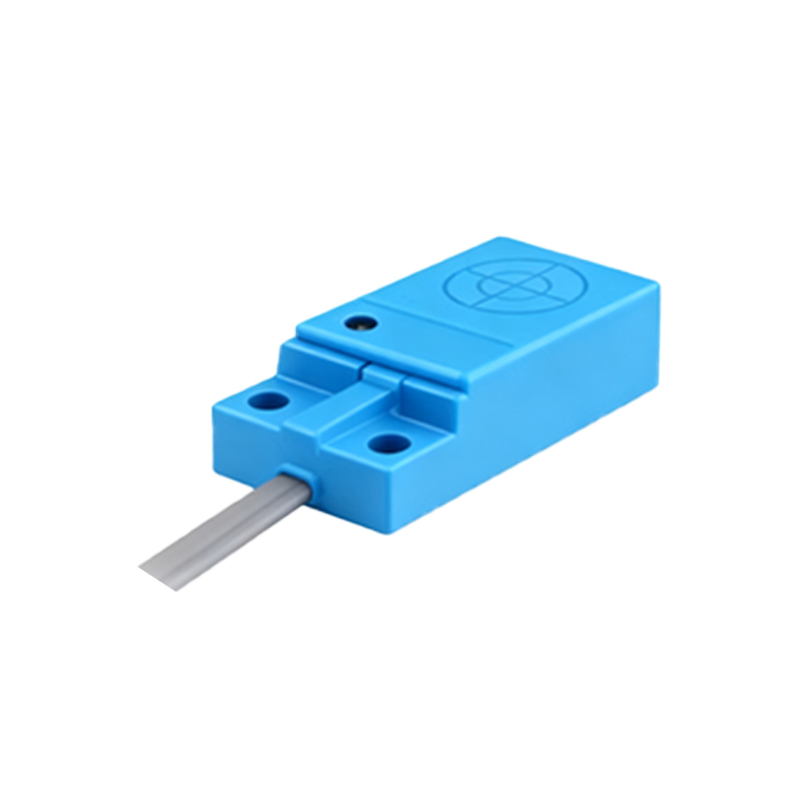
The sensor's capability is also leveraged for quality control inspections. For instance, it can detect the presence or absence of a label on a product, verify if a bottle cap is properly seated, or check for the correct fill level in transparent containers by detecting the light beam's path through the liquid. Variations in the received signal indicate a defect, allowing for immediate rejection of faulty items from the production line.
Environmental robustness is a key feature of industrial-grade 20s proximity sensors. They are typically housed in rugged enclosures with high Ingress Protection (IP) ratings, making them resistant to dust, moisture, oils, and mechanical impacts. This allows for reliable operation in challenging environments like food processing plants, automotive workshops, and outdoor logistics yards. Advanced models offer features like background suppression, which allows them to ignore objects beyond a set distance, and teach-in functionality for easy setup.
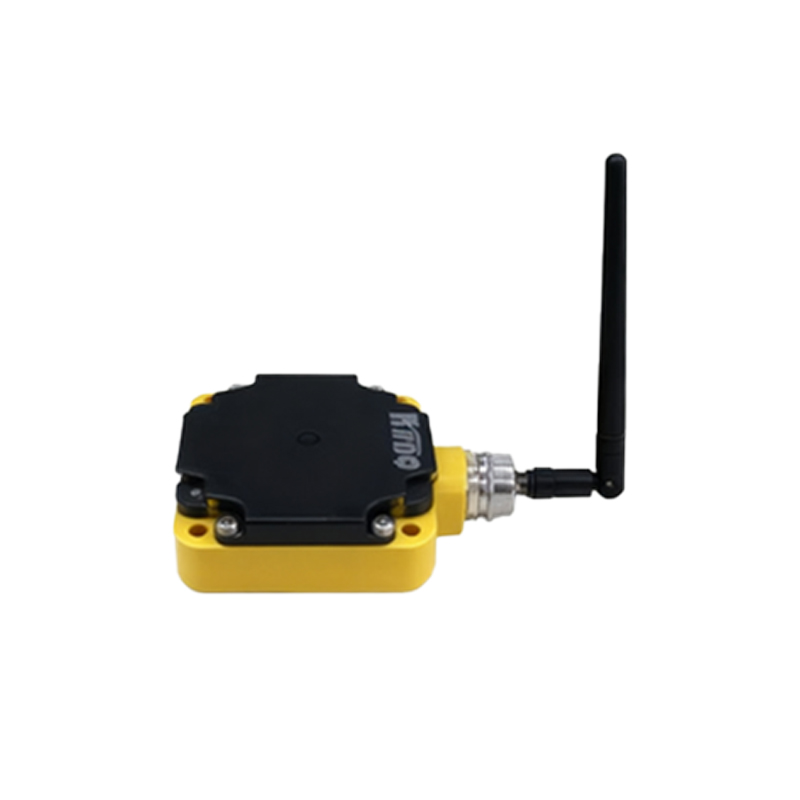
In summary, the 20s proximity photoelectric sensor is far more than a simple switch. It is a versatile and intelligent eye for automated systems. Its speed, reliability, and non-contact operation make it fundamental for tasks ranging from basic detection to complex precision control and critical safety interventions. As industries continue to push for greater automation, connectivity, and data integration (embracing Industry 4.0 principles), the role of these fast-responding sensors will only become more central, providing the essential real-time data needed for smart, responsive, and efficient manufacturing and logistics operations.