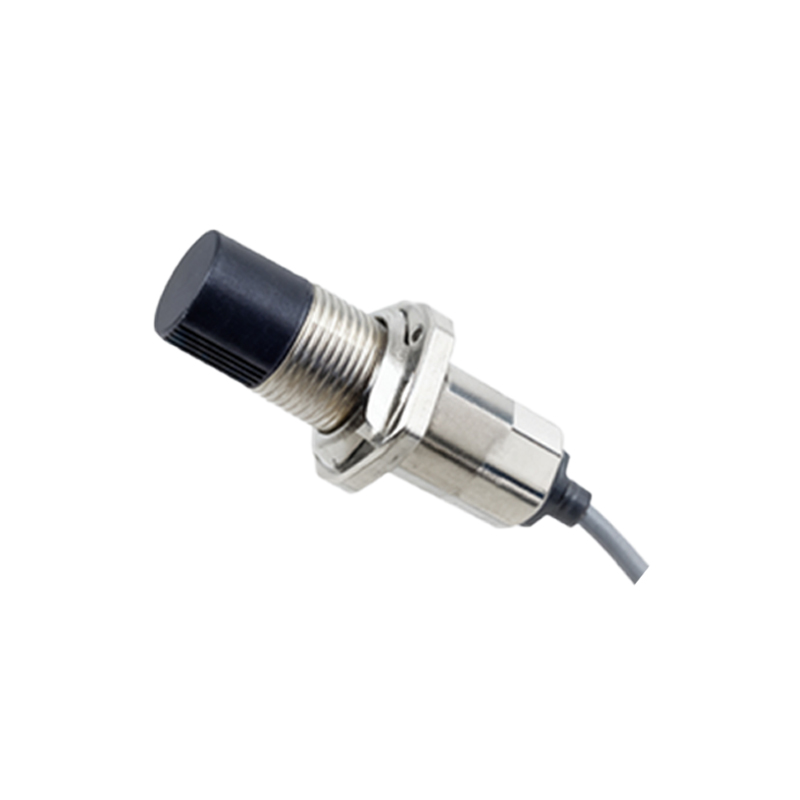
In industrial automation and electrical engineering, proximity sensors are indispensable components for detecting the presence or absence of objects without physical contact. However, a common concern among engineers and technicians is whether these sensors can experience short circuits, potentially leading to system failures or safety hazards. This article delves into the causes, prevention, and implications of short circuits in proximity sensors, providing insights for professionals in the field.
Proximity sensors, including inductive, capacitive, and photoelectric types, operate by generating an electromagnetic field or light beam. When an object enters this field, the sensor detects it and triggers an output signal. These sensors are typically connected to control systems via wiring, and like any electrical device, they are susceptible to short circuits under certain conditions. A short circuit occurs when an unintended low-resistance path forms between two conductors, allowing excessive current flow that can damage components.
Several factors can lead to short circuits in proximity sensors. First, improper installation is a primary cause. If wires are stripped too much or not adequately insulated, they may come into contact with each other or with grounded metal surfaces, creating a short. For example, in harsh industrial environments, vibration or mechanical stress can cause wire abrasion over time, exposing conductors. Second, environmental conditions play a significant role. Moisture, dust, or chemical contaminants can accumulate on sensor terminals, reducing insulation resistance and facilitating current leakage or shorts. In outdoor applications, water ingress due to inadequate sealing can be particularly problematic. Third, manufacturing defects, though rare, can result in internal component failures, such as damaged circuit boards or faulty connections within the sensor housing.
The consequences of a short circuit in a proximity sensor can range from minor disruptions to severe damage. In mild cases, the sensor may stop functioning, causing false readings or system downtime. More critically, a short can generate heat, potentially leading to overheating, melting of wires, or even fire hazards. It can also damage connected equipment, such as programmable logic controllers (PLCs) or power supplies, increasing repair costs and safety risks. Therefore, understanding how to prevent and address short circuits is crucial for maintaining operational efficiency.
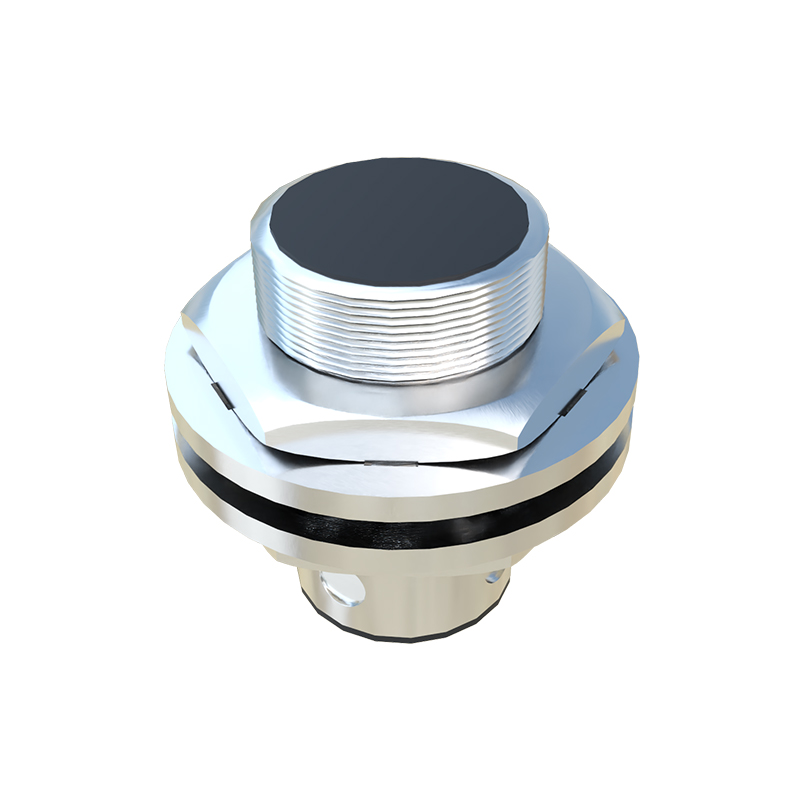
To mitigate the risk of short circuits, engineers should adhere to best practices during installation and maintenance. Use sensors with appropriate ingress protection (IP) ratings for the environment—for instance, IP67 or higher for wet or dusty conditions. Ensure proper wiring techniques, such as using shielded cables, securing connections with terminal blocks, and avoiding sharp bends that could compromise insulation. Regular inspections are essential; check for signs of wear, corrosion, or moisture buildup, and replace damaged sensors promptly. Additionally, incorporating protective measures like fuses or circuit breakers in the electrical circuit can limit current flow during a fault, preventing extensive damage.
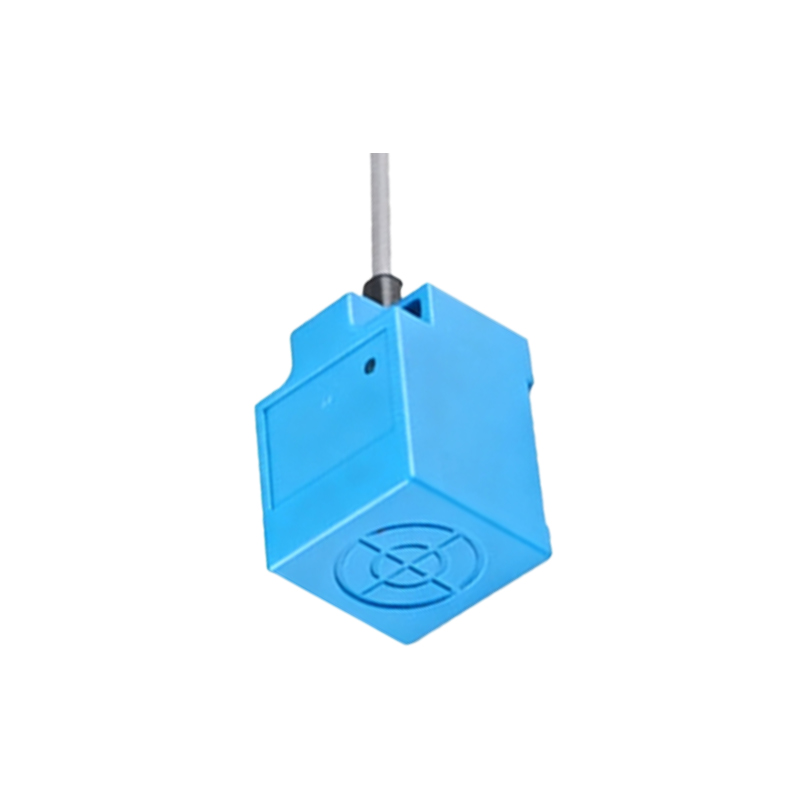
When troubleshooting a suspected short circuit, start by disconnecting the sensor from the power source to avoid further issues. Use a multimeter to test for continuity between wires or to ground; a low resistance reading may indicate a short. Inspect the sensor housing and cables for visible damage, and verify that environmental factors haven’t compromised the device. If the sensor is faulty, replace it with a compatible model, ensuring it meets the required specifications for voltage, current, and sensing range.
In summary, while proximity sensors are designed for reliability, they can short circuit due to installation errors, environmental exposure, or defects. By implementing preventive strategies and conducting routine maintenance, professionals can minimize these risks and ensure long-term sensor performance. As technology advances, newer sensors with enhanced durability and self-diagnostic features are becoming available, further reducing the likelihood of shorts. Ultimately, a proactive approach to sensor management is key to safeguarding industrial systems and optimizing productivity.