In the realm of industrial automation and electronic systems, proximity sensors stand as fundamental components, enabling machines to perceive their environment without physical contact. But what exactly are proximity sensors, and what do they do? At their core, these are non-contact sensors designed to detect the presence or absence of an object within a specific range. They achieve this by emitting an electromagnetic field, beam, or ultrasonic waves and then analyzing the changes in the return signal or field. The primary function is to provide a reliable switching signal when a target object enters the sensor's detection zone, thereby triggering a predefined action in a control system.
The operational principle varies significantly based on the technology employed. The most common types include Inductive, Capacitive, Ultrasonic, and Photoelectric sensors. Inductive proximity sensors are workhorses in metal detection. They generate an oscillating electromagnetic field from a coil at the sensing face. When a metallic object enters this field, it induces eddy currents within the metal, which dampens the oscillation. The sensor's internal circuit detects this damping and switches its output state. These sensors are renowned for their robustness, high switching frequency, and immunity to environmental factors like dust or oil, making them ideal for positioning metal parts in machinery, counting products on conveyor belts, or serving as end-of-travel limit switches.
Capacitive proximity sensors, on the other hand, can detect both metallic and non-metallic materials, including liquids, plastics, wood, and granules. They function by generating an electrostatic field. Any object that enters this field alters the capacitance of the sensor's circuit. This change is measured, and once it exceeds a threshold, the sensor activates. This versatility makes them perfect for applications like liquid level detection in tanks, monitoring the fill level of non-metallic containers, or detecting the presence of paper or glass.
Photoelectric sensors operate on a different principle: light. They consist of a light emitter (usually an LED) and a receiver. When the emitted light beam is interrupted or reflected by an object, the receiver detects the change, and the sensor triggers. These sensors offer the longest sensing ranges and are excellent for detecting small objects or objects of any material, provided they are not completely transparent to the sensor's light wavelength. They are widely used in packaging, material handling, and safety light curtains.
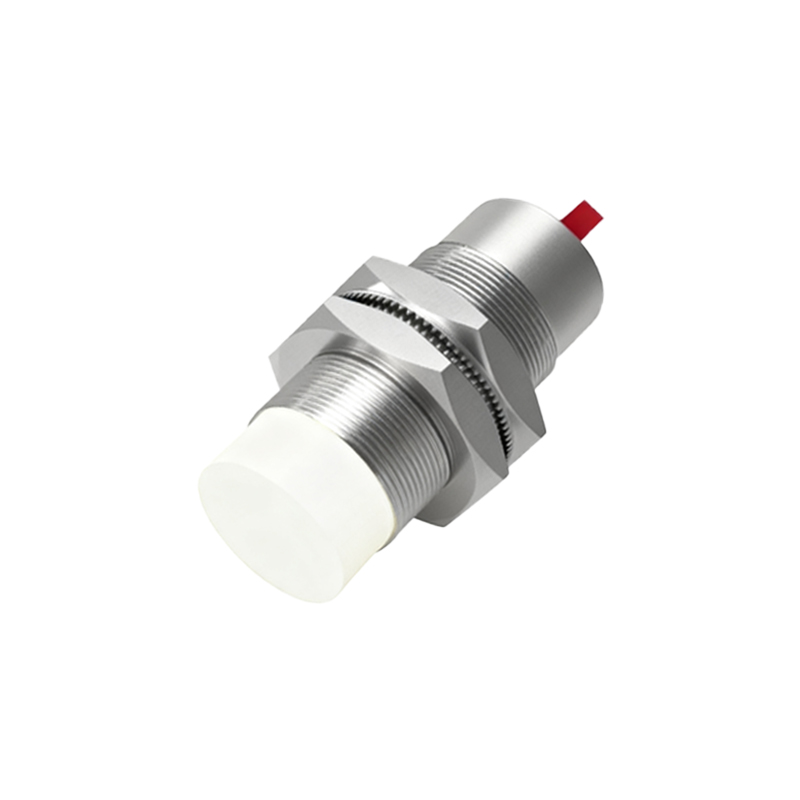
Ultrasonic sensors use sound waves beyond human hearing. They emit high-frequency sound pulses and measure the time it takes for the echo to return. This time-of-flight measurement allows them to not only detect presence but also precisely measure distance. They are highly effective in challenging environments with dust, smoke, or varying light conditions, and are commonly used for level measurement in silos, collision avoidance in automated guided vehicles (AGVs), and stacked object detection.
The applications of proximity sensors are vast and integral to modern industry. In automotive assembly lines, inductive sensors ensure robotic arms accurately pick and place metal components. In food and beverage processing, capacitive sensors monitor liquid levels in stainless steel vats without contact, maintaining hygiene. Photoelectric sensors on high-speed bottling lines verify cap placement and label presence. In the realm of consumer electronics, a capacitive sensor is what allows a smartphone screen to turn off when held to your ear during a call. Furthermore, they are critical for safety, forming the basis of machine guarding systems that halt equipment when a person breaches a protected zone.
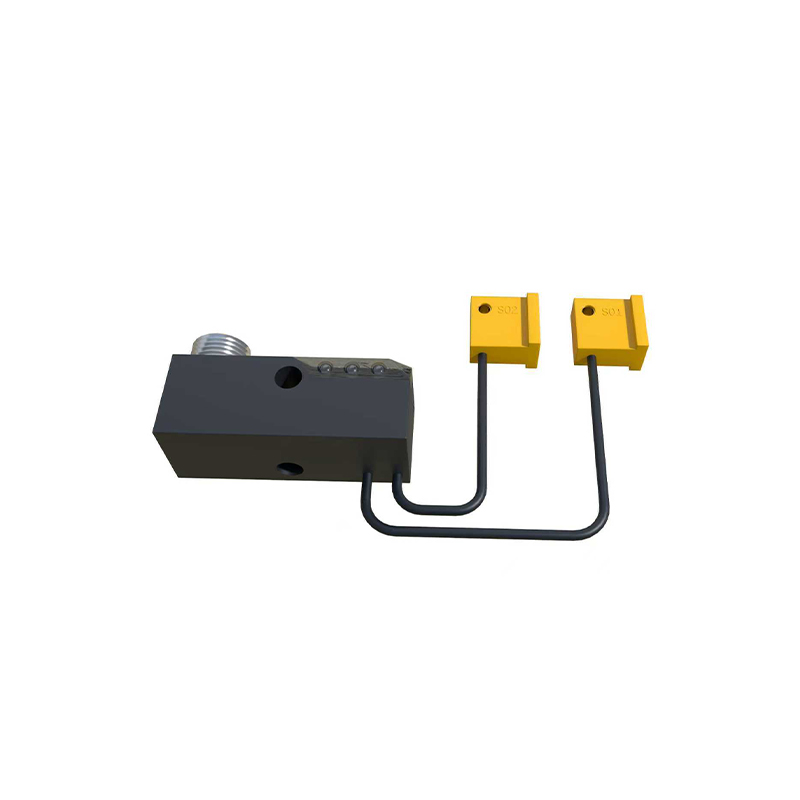
Selecting the right proximity sensor involves careful consideration of several factors: the material of the target object, the required sensing distance, the environmental conditions (temperature, humidity, contaminants), the required output type (e.g., NPN/PNP, analog, IO-Link), and the mounting constraints. Understanding these parameters ensures optimal performance, reliability, and longevity of the sensing solution within a larger automated system.
In conclusion, proximity sensors are the silent, unseen sentinels of automation. They answer the fundamental machine question: "Is something there?" By providing accurate, non-contact detection, they enable precise control, enhance efficiency, ensure safety, and facilitate the complex, interconnected operations that define contemporary manufacturing and technology. Their continued evolution, with trends like miniaturization and integrated smart diagnostics (via IO-Link), promises to further expand their indispensable role in the industrial landscape.