Infrared proximity sensors are pivotal components in automation and industrial systems, leveraging infrared light to detect the presence, absence, or distance of objects without physical contact. These sensors operate by emitting an infrared beam and measuring the reflection or interruption to determine proximity. Their non-contact nature, reliability, and adaptability to various environments make them indispensable in sectors like manufacturing, robotics, automotive, and consumer electronics. This article explores the primary types of infrared proximity sensors, their working principles, and key applications, providing insights for engineers and industry professionals.
The most common type is the diffuse reflective sensor, which uses a single unit to both emit and receive infrared light. It detects objects by analyzing the light reflected directly from the target's surface. These sensors are cost-effective and suitable for short to medium ranges, typically up to a few meters, but their performance can be affected by the object's color and reflectivity. For instance, dark or non-reflective materials may reduce detection accuracy. In industrial settings, diffuse sensors are widely used in conveyor belt systems to count products or trigger machinery when an item passes by.
Another significant category is the retro-reflective sensor, which employs a separate reflector to bounce infrared light back to the receiver. This design allows for longer detection ranges compared to diffuse types, often extending beyond 10 meters. The sensor detects objects when they interrupt the beam between the emitter and reflector. Retro-reflective sensors are ideal for applications requiring precise object positioning, such as in packaging lines or automated guided vehicles (AGVs), where consistent performance is crucial. However, they may be sensitive to environmental factors like dust or fog, which can scatter the infrared beam.
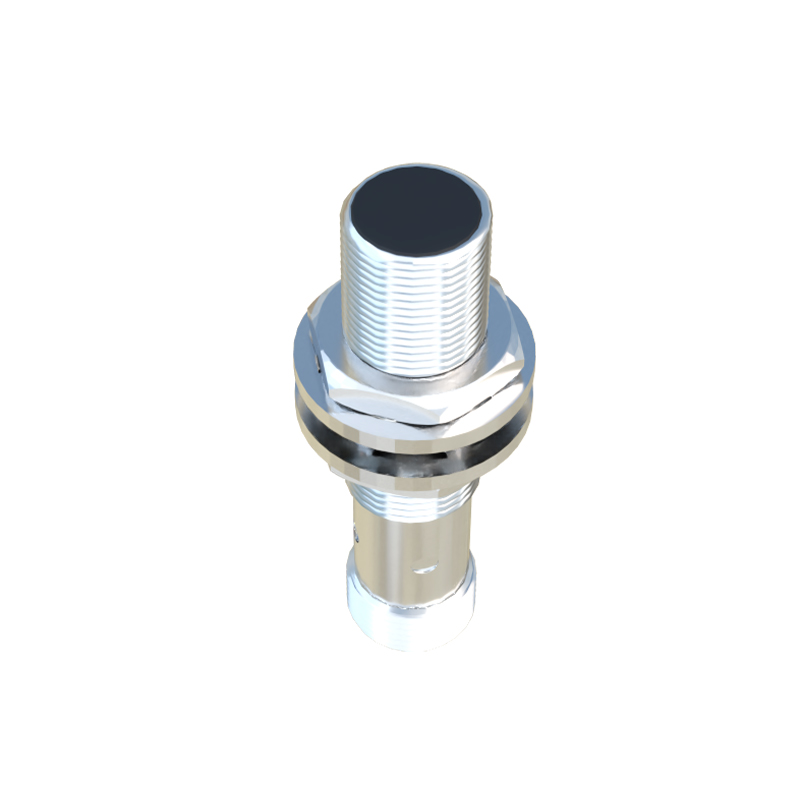
Through-beam sensors, also known as opposed-mode sensors, consist of two separate units: an emitter and a receiver placed opposite each other. The object is detected when it breaks the infrared beam traveling between them. This type offers the highest accuracy and longest range among infrared proximity sensors, making it suitable for high-speed or safety-critical applications. For example, in automotive assembly lines, through-beam sensors ensure components are correctly aligned, while in security systems, they monitor unauthorized entry by detecting beam interruptions. Their main drawback is the need for precise alignment and installation of two units, which can increase complexity.
Advanced infrared proximity sensors incorporate digital or analog outputs to provide more detailed data. Analog sensors output a continuous signal proportional to the distance of the object, enabling precise measurement in applications like robotic arm positioning or liquid level detection. Digital sensors, on the other hand, offer a simple on/off signal based on a preset threshold, commonly used for object detection in consumer devices such as smartphones (for screen dimming) or home appliances. Many modern sensors also feature adjustable sensitivity and built-in diagnostics to enhance functionality in harsh industrial environments.
In terms of applications, infrared proximity sensors are integral to industrial automation. They facilitate tasks like object sorting, quality control, and machine safety by detecting human presence near hazardous equipment. In the automotive industry, these sensors are used in parking assistance systems and collision avoidance technologies. Consumer electronics rely on them for touchless interfaces, such as in automatic faucets or gesture-controlled devices. Additionally, in robotics, infrared sensors aid in navigation and obstacle avoidance, allowing robots to operate autonomously in dynamic settings.
When selecting an infrared proximity sensor, engineers must consider factors like detection range, environmental conditions (e.g., temperature, humidity, and ambient light), and the target object's properties. Innovations in sensor technology, such as the integration of IoT capabilities and AI algorithms, are expanding their utility, enabling predictive maintenance and smarter automation solutions. As industries evolve toward greater efficiency and safety, infrared proximity sensors will continue to play a critical role, driving advancements in connectivity and real-time monitoring.