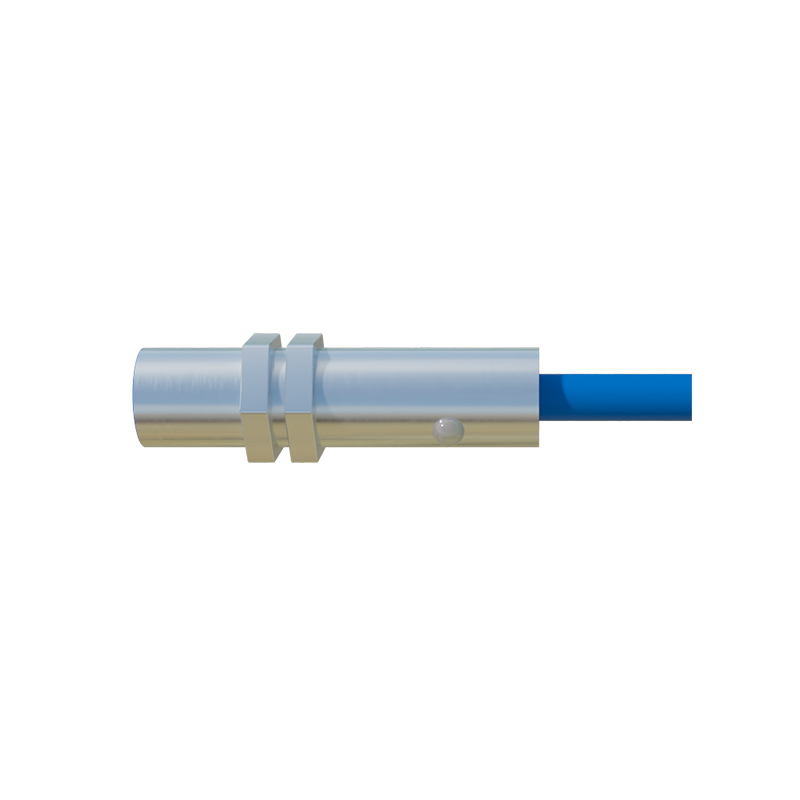
In the field of industrial automation and electrical engineering, the terms "proximity switch" and "sensor" are frequently used, often leading to confusion about their precise definitions and applications. This article aims to clarify whether proximity switches can indeed be referred to as sensors, exploring their functionalities, classifications, and roles in modern systems.
A proximity switch is a device that detects the presence or absence of an object without physical contact. It operates based on various principles, such as electromagnetic, capacitive, or inductive technologies. When an object enters its detection range, the switch triggers an electrical signal, which can be used to control machinery, monitor processes, or provide safety functions. Common types include inductive proximity switches for metallic objects, capacitive ones for non-metallic materials, and ultrasonic variants for distance measurement. These devices are integral to automation, enabling precise control in manufacturing, packaging, and robotics.

On the other hand, a sensor is a broader category of devices that measure physical properties—like temperature, pressure, light, or proximity—and convert them into signals readable by instruments or controllers. Sensors encompass a wide range of technologies, from simple thermocouples to complex vision systems. In this context, proximity switches fall under the umbrella of sensors, specifically as a type of proximity sensor. They are designed to detect the presence of objects, making them a subset of the sensor family focused on non-contact detection.
The key distinction lies in their output and application. Proximity switches typically provide a binary output (on/off), acting as switches to initiate or halt actions. For example, in a conveyor system, an inductive proximity switch might detect a metal part and signal a robotic arm to pick it up. In contrast, sensors can offer analog or digital outputs with varying data, such as the exact distance measured by a laser sensor. However, many modern proximity switches incorporate sensor-like features, like adjustable sensing ranges or diagnostic capabilities, blurring the line between the two.
From an industry perspective, engineers often use the terms interchangeably in casual conversation, but technical specifications tend to differentiate them. Standards organizations, such as IEC (International Electrotechnical Commission), classify proximity switches under sensor categories, emphasizing their role in detection. In practice, calling a proximity switch a sensor is accurate, as it senses proximity and generates a response. However, not all sensors are proximity switches; for instance, a humidity sensor doesn't involve proximity detection.
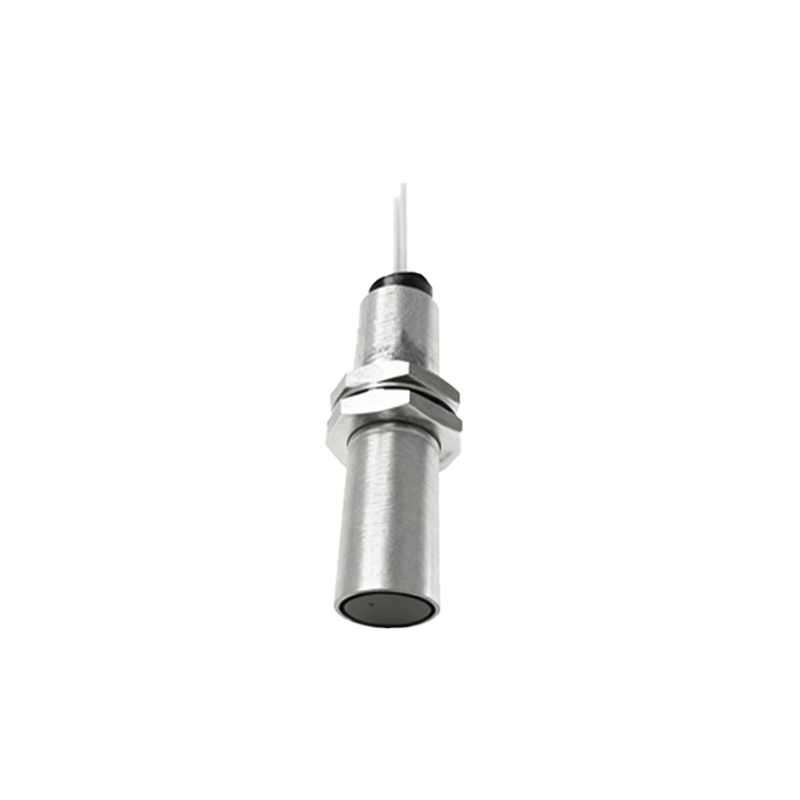
In summary, proximity switches are indeed a type of sensor, specialized for non-contact object detection with switch-like functionality. Their integration into automated systems highlights their importance in improving efficiency and safety. As technology advances, the convergence of switching and sensing capabilities continues to grow, making clear communication essential in engineering projects. Understanding this relationship helps professionals select the right components for applications, ensuring optimal performance in electrical and industrial settings.