In the ever-evolving landscape of industrial automation and smart technology, the demand for compact, reliable, and highly efficient sensing solutions has never been greater. Among the critical components driving this innovation are miniature proximity sensors. These diminutive yet powerful devices are engineered to detect the presence or absence of an object within a specified range without any physical contact, making them indispensable in applications where space is at a premium and precision is paramount.
Miniature proximity sensors, often measuring just a few millimeters in diameter, operate on several fundamental principles, with inductive and capacitive types being the most prevalent in industrial settings. Inductive sensors are the workhorses for detecting metallic objects. They generate an electromagnetic field and monitor changes in its oscillation amplitude caused by the eddy currents induced in a nearby metallic target. This allows for highly reliable detection of ferrous and non-ferrous metals. Their compact size does not compromise performance; modern miniaturized inductive sensors can achieve sensing ranges suitable for their form factor, often from 0.5mm to 4mm, with exceptional repeatability and resistance to environmental contaminants like dust, oil, and coolant.
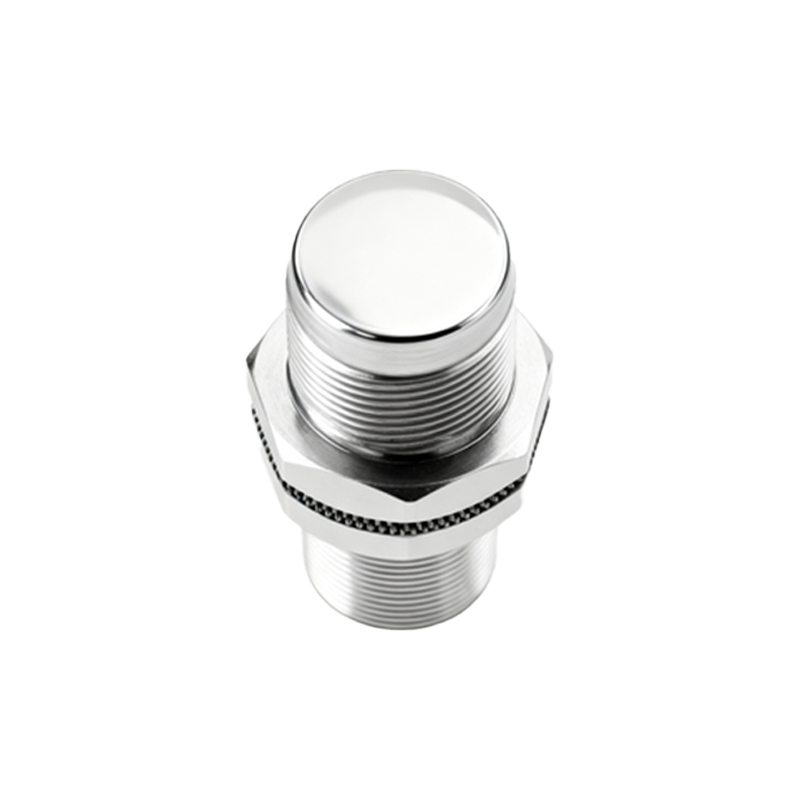
Capacitive miniature sensors, on the other hand, can detect both metallic and non-metallic materials, including liquids, plastics, and glass. They function by measuring changes in capacitance between the sensor's active face and the target object. This versatility makes them ideal for applications in packaging, material handling, and level detection where a variety of materials are present. Their miniaturization allows for integration into tight spaces for tasks like monitoring fill levels in small containers or detecting thin films.
The design and manufacturing of these tiny sensors present significant engineering challenges. Achieving a robust housing, stable electronic circuitry, and a consistent sensing field in such a small package requires advanced materials and precision engineering. Manufacturers utilize high-grade plastics, stainless steel, or nickel-plated brass for housings to ensure durability against mechanical stress and harsh industrial environments. The internal coil and oscillator circuits are meticulously designed and often encapsulated to protect against vibration and thermal fluctuations.
Key performance parameters for specifying a miniature proximity sensor include sensing distance, repeat accuracy, response frequency, and housing style (e.g., cylindrical threaded barrels, rectangular blocks, or ring-shaped). The nominal sensing distance (Sn) is typically reduced compared to larger sensors, but this is a calculated trade-off for size. High-speed models can offer switching frequencies exceeding 5 kHz, enabling their use in high-speed counting or sorting applications on miniature assembly lines. Furthermore, many models now incorporate advanced features like IO-Link communication, allowing for parameter setting, condition monitoring, and seamless integration into Industry 4.0 and IoT frameworks, providing diagnostic data that enhances predictive maintenance strategies.
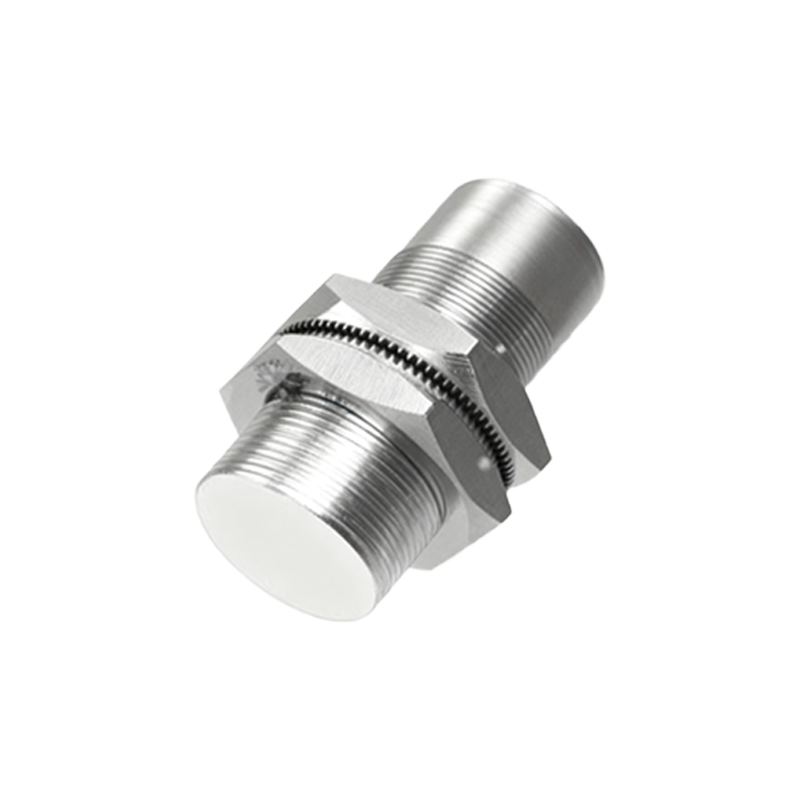
The application spectrum for these sensors is vast and growing. In robotics, especially collaborative robots (cobots) and micro-assembly arms, they provide precise end-of-arm tooling detection and part verification. In the electronics manufacturing industry, they are crucial for PCB handling, component insertion verification, and solder paste inspection. The medical device and pharmaceutical sectors rely on them for precise positioning in automated analyzers, packaging machinery, and drug dispensing systems where hygiene and accuracy are critical. Even in consumer electronics, they find roles in miniaturized devices for position feedback and safety interlocks.
When selecting a miniature proximity sensor, engineers must carefully consider the target material, required sensing range, environmental conditions (temperature, potential washdowns), electrical output type (PNP/NPN, NO/NC), and supply voltage. Mounting considerations are also crucial due to the limited space; flush-mountable designs allow installation in metal without loss of sensing range, while non-flush models offer slightly longer ranges but require a non-metallic surround.
In conclusion, miniature proximity sensors represent a pinnacle of electromechanical miniaturization. They deliver robust, non-contact sensing capabilities into footprints once thought impossible, enabling higher machine densities, more flexible automation designs, and innovative products across countless industries. As technology progresses, we can anticipate even smaller form factors, longer sensing ranges relative to size, enhanced smart functionalities, and greater resilience, further solidifying their role as essential components in the automated and interconnected world of tomorrow.
SEO Description:Explore the technology and applications of miniature proximity sensors. This technical guide covers inductive and capacitive types, key specifications, design challenges, and their critical role in robotics, electronics, and industrial automation where space is limited.