In modern industrial automation and safety systems, glass side proximity sensors represent a critical, yet often challenging, component. Their primary function is to detect the presence or absence of an object—typically a glass pane, bottle, or similar transparent material—via its side edge without physical contact. Unlike standard inductive or capacitive sensors designed for metallic or opaque surfaces, these sensors must reliably operate with non-conductive, transparent materials, demanding specialized detection principles and careful implementation.
The core challenge in detecting glass lies in its material properties. Glass is an electrical insulator and is generally transparent to visible light. Therefore, conventional inductive sensors, which rely on generating an electromagnetic field disturbed by conductive materials, are ineffective. Similarly, standard photoelectric sensors using visible light beams might pass directly through the glass without a detectable interruption when aimed at the center of a pane. The solution focuses on the glass edge or side, which presents a different optical profile.
The predominant technology for this application is the diffuse-reflective photoelectric sensor with background suppression. This sensor type emits a focused beam of light, often infrared, and measures the distance to the reflecting object based on the angle of the reflected light, not just its intensity. When positioned to view the side edge of a glass sheet, the sensor's beam strikes the irregular, often rough or cut, edge surface. This edge scatters and reflects a portion of the light back to the receiver. The sensor's background suppression logic is key: it can be taught to recognize the specific reflection from the glass edge at a set distance, while ignoring reflections from more distant background surfaces (like a machine frame or wall behind the conveyor). This allows for a stable detection signal indicating "glass present" when the edge is within the defined sensing window.
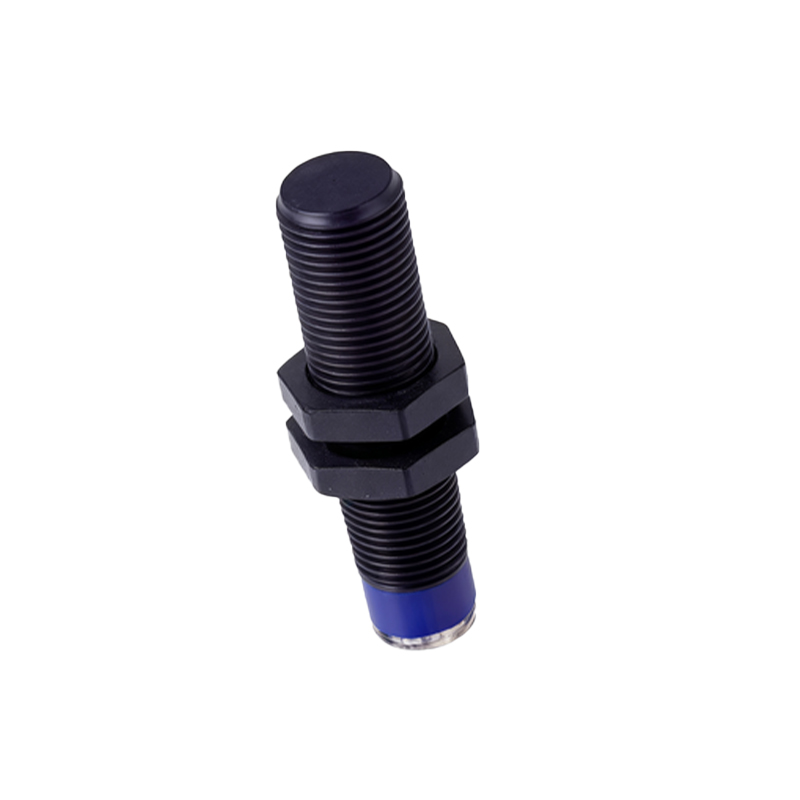
An alternative and highly precise method involves the use of through-beam sensors. In this setup, the emitter and receiver are placed on opposite sides of the glass path, but aligned specifically to the expected position of the glass edge. When the glass is present, its opaque or translucent side edge blocks the light beam, causing a detection. This method offers high reliability and is less susceptible to surface conditions of the glass, but requires precise mechanical alignment of two separate components. It is particularly effective in high-speed bottling lines for detecting the presence of bottles by their neck or base edges on conveyors.
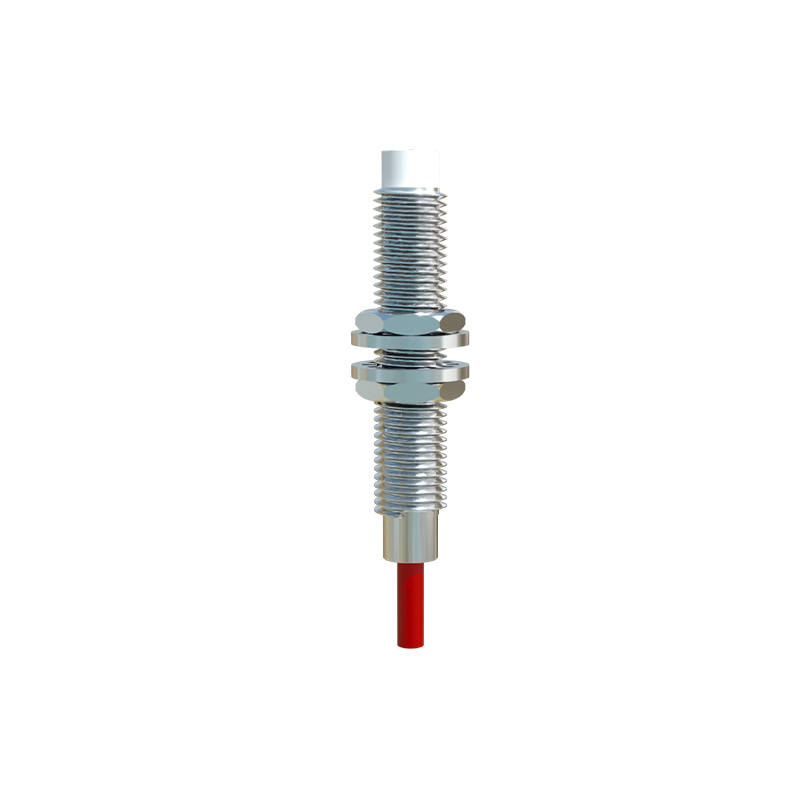
Ultrasonic proximity sensors also offer a viable solution, especially for thicker glass or in environments with dust or vapor that could interfere with optical methods. These sensors emit high-frequency sound waves and measure the time for the echo to return. The side edge of a glass object provides a sufficient acoustic impedance change (from air to solid) to reflect a detectable echo. Their performance can be less affected by the color or transparency of the glass, but they may be slower in response and require a relatively large target surface area.
Successful implementation hinges on several engineering considerations:
1. Sensor Selection and Positioning: The sensor must be chosen based on the glass thickness, required sensing distance, environmental conditions (dust, moisture, ambient light), and required response speed. Positioning is critical; the sensing beam must be perpendicularly aligned to the side edge for optimal reflection or interruption.
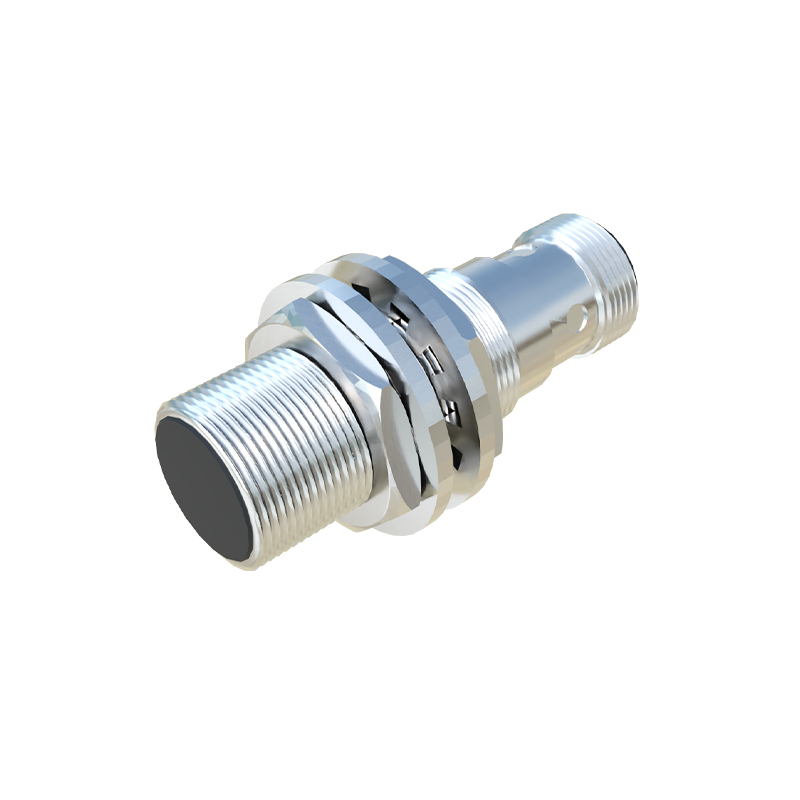
2. Edge Condition: The quality of the glass cut (smooth, ground, or rough) significantly impacts the signal strength of reflective sensors. A freshly cut, rough edge provides better light diffusion. For polished edges, through-beam is often more reliable.
3. Environmental Factors: Intense ambient light can swamp the receiver of photoelectric sensors. Using modulated infrared light and sensors with robust ambient light immunity is essential. Coolant, water, or oil on the glass edge can also alter reflection characteristics.
4. Installation and Mounting: Vibration can misalign sensors. Secure, adjustable mounting brackets are recommended. For through-beam types, ensuring permanent alignment of emitter and receiver against vibration is crucial.
5. Signal Conditioning and Diagnostics: Modern sensors offer programmable functions like teach-in for setting the detection window, time delays (on/off delay), and output switching modes (light/dark on). Built-in IO-Link capability allows for remote parameter setting, continuous monitoring of signal strength, and predictive maintenance alerts, greatly enhancing system reliability.
In conclusion, detecting the side of glass objects requires moving beyond standard sensing paradigms. By leveraging background-suppression photoelectric, through-beam, or ultrasonic technologies, and paying meticulous attention to application-specific details, engineers can design robust, fail-safe detection systems. These systems ensure precise automation control, accurate counting, and vital safety interlocking in industries ranging from automotive glass manufacturing and window fabrication to pharmaceutical packaging and food & beverage bottling, where glass is a primary material.