In the realm of industrial automation, consumer electronics, and automotive systems, proximity sensor chips stand as fundamental components enabling touchless detection and interaction. These integrated circuits (ICs) are the brains behind sensors that can detect the presence or absence of an object within a specific range without physical contact. The core function is based on various physical principles, each leading to distinct chip technologies tailored for different applications. Understanding the available types is crucial for engineers designing systems requiring precision, reliability, and efficiency.
One of the most prevalent technologies is the Infrared (IR) Proximity Sensor Chip. These chips typically pair an IR LED emitter and a photodiode or phototransistor receiver on a single package or closely coupled circuit. The chip modulates the emitted IR light and measures the intensity of the reflected signal. Advanced versions integrate ambient light sensors (ALS) to compensate for sunlight or other IR noise. Key ICs in this category often include drivers for the emitter, a signal conditioning block, and a digital interface (like I2C). They are ubiquitous in smartphones for screen blanking during calls, in touchless faucets, and in obstacle detection for robots.
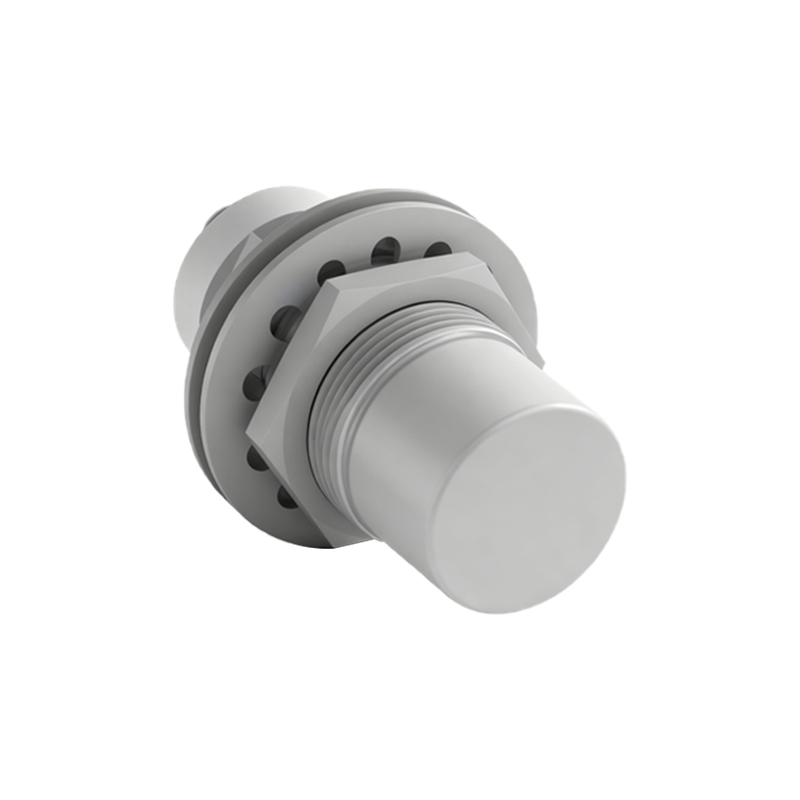
Capacitive Proximity Sensor Chips operate by detecting changes in capacitance. When an object enters the electric field generated by the chip's electrode, it alters the capacitive coupling to ground. The chip measures this minute change. These ICs are highly sensitive and can detect non-metallic objects like plastics, liquids, or even a human hand through non-conductive materials. They often feature sophisticated algorithms to handle tuning, drift compensation, and noise immunity. Primary applications include touch-sensitive buttons, liquid level sensing, and material analysis in industrial settings.
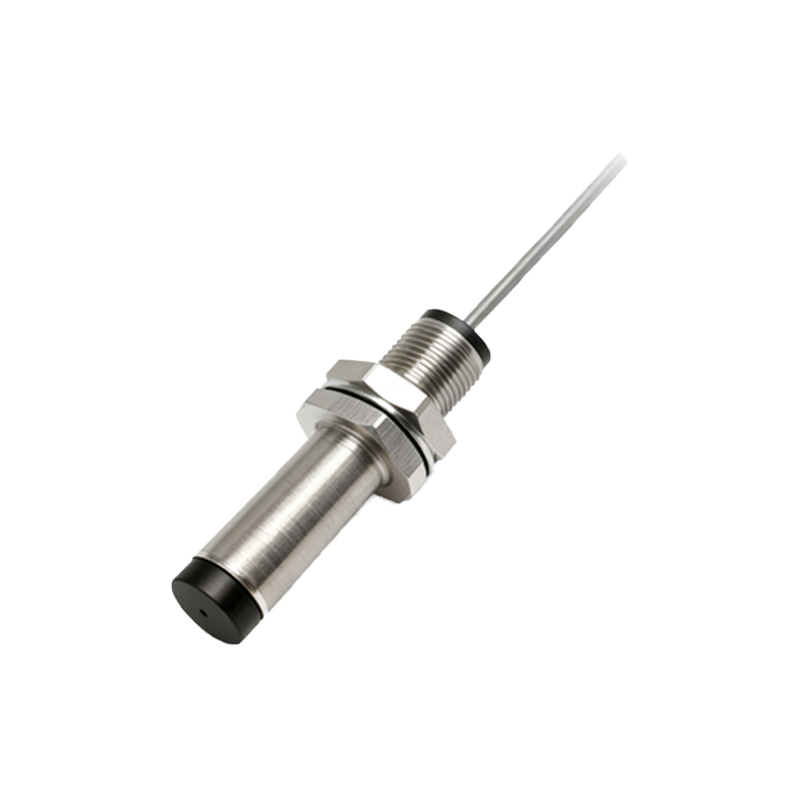
Inductive Proximity Sensor Chips are designed specifically for detecting metallic objects. The core principle involves an oscillator circuit generating a high-frequency electromagnetic field. When a metal target enters this field, eddy currents are induced, causing a change in the oscillation amplitude or frequency, which the chip detects. These chips are robust, resistant to environmental contaminants like dust or oil, and are the workhorses of factory automation for tasks like part counting, position verification, and machine safety. They are commonly found in PLC (Programmable Logic Controller) systems.
Magnetic Proximity Sensor Chips, often based on Hall-effect or magnetoresistive technology, detect the presence of a permanent magnet. A Hall-effect IC outputs a voltage proportional to the strength of an applied magnetic field. They are solid-state, wear-free, and extremely reliable. Applications range from simple door/window open-close detection in security systems to precise rotary encoding in automotive crankshaft and camshaft position sensing. Some advanced 3D Hall-effect chips can even determine the precise spatial position of a magnet.
Ultrasonic Proximity Sensor Chips utilize sound waves beyond the human hearing range. The chip generates high-frequency ultrasonic pulses and listens for the echo. By calculating the time-of-flight (ToF) of the sound wave, it can determine distance. These ICs handle the complex timing, temperature compensation for sound speed variation, and echo processing. They are ideal for applications requiring longer range detection or where optical methods fail due to target color or transparency, such as in parking assist systems, tank level measurement, and presence detection in harsh environments.
Laser-Based ToF (Time-of-Flight) Proximity Sensor Chips represent the high-end of precision and range. They emit a laser pulse and measure the time for the reflection to return, similar to ultrasonic but with light. Modern ToF chips, like single-photon avalanche diode (SPAD) arrays, are incredibly precise and can be used for 3D imaging, gesture recognition, and advanced driver-assistance systems (ADAS) like LiDAR. These are complex systems-on-chip (SoCs) integrating the laser driver, high-speed photon detectors, and processing cores.
Selection criteria for these chips involve multiple factors: detection range, target material, response time, environmental conditions (dust, moisture, temperature), power consumption, output type (digital/analog), and cost. For instance, a smartphone designer prioritizes miniaturization and low power (choosing an IR chip), while an automotive engineer prioritizes reliability under extreme temperatures (choosing a Hall-effect or inductive chip).
The future trajectory points toward greater integration, intelligence, and miniaturization. We are seeing more sensor fusion chips that combine proximity sensing with other functions like ambient light, color, and gesture recognition. Furthermore, the rise of AI at the edge is leading to chips with embedded machine learning accelerators, allowing the sensor itself to classify objects or predict maintenance needs. As industries push toward greater automation and interactivity, the evolution of proximity sensor chips will continue to be a critical enabler, making machines more perceptive and responsive to their surroundings