As an experienced electrical engineer with over 15 years in industrial automation, I have witnessed the evolution of proximity sensors, particularly the X20 series, which has become a staple in modern manufacturing and processing plants. The X20 proximity sensor, known for its robustness, precision, and compatibility with various industrial environments, is a critical component in applications ranging from object detection to position sensing. In this article, I will delve into the factors influencing X20 proximity sensor prices, provide a detailed market analysis, and offer practical insights for procurement.
The price of an X20 proximity sensor is not a fixed value; it fluctuates based on several key determinants. Firstly, the sensor type plays a significant role. X20 sensors come in different variants, such as inductive, capacitive, and ultrasonic models, each designed for specific materials and conditions. Inductive sensors, commonly used for metal detection, are generally more affordable, with prices ranging from $50 to $150 per unit, depending on the sensing range and output type. Capacitive sensors, suitable for non-metallic materials, tend to be slightly higher, averaging between $70 and $200. Ultrasonic X20 sensors, offering longer ranges and versatility, can cost from $100 to $300 or more.
Secondly, technical specifications heavily impact the cost. Features like sensing distance, response time, housing material (e.g., stainless steel vs. plastic), and protection ratings (IP67 or higher for harsh environments) contribute to price variations. For instance, an X20 sensor with a 10mm sensing range and standard IP67 rating might be priced around $80, while one with a 30mm range and enhanced IP69K protection could exceed $200. Additionally, output configurations (PNP, NPN, or analog) and connectivity options (e.g., IO-Link for smart factory integration) add to the expense, with advanced models incorporating IoT capabilities commanding premiums of 20-30% over basic versions.
Market dynamics also influence X20 proximity sensor prices. The global industrial automation sector has seen steady growth, driven by trends like Industry 4.0 and increased demand for efficiency. This has led to competitive pricing among manufacturers such as BALLUFF, SICK, and OMRON, who produce X20-compatible sensors. Bulk purchases often result in discounts; for example, buying 100 units might reduce the per-unit cost by 10-15%. However, supply chain disruptions, raw material shortages (e.g., semiconductors), and geopolitical factors can cause price spikes. In 2023, average prices rose by 5-10% due to these challenges, though they are expected to stabilize as production adapts.
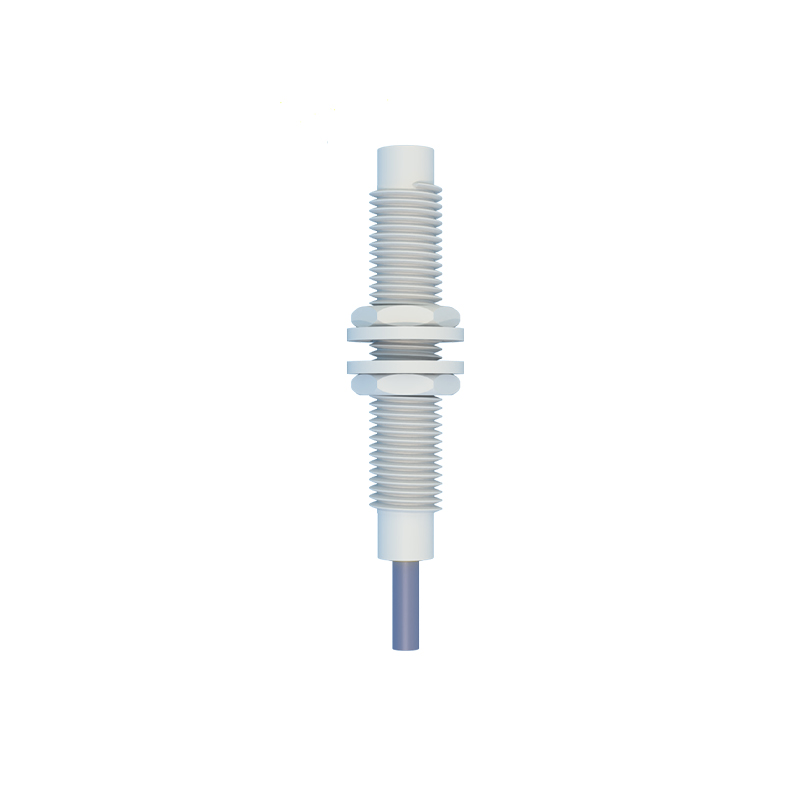
From a procurement perspective, investing in X20 proximity sensors requires balancing cost with quality and longevity. Cheaper alternatives may save upfront expenses but risk higher failure rates and downtime, leading to increased total cost of ownership. I recommend evaluating sensors based on application needs: for high-speed assembly lines, prioritize fast response times; in corrosive settings, opt for stainless steel housings. Sourcing from authorized distributors ensures warranty coverage and technical support, which can mitigate long-term costs.
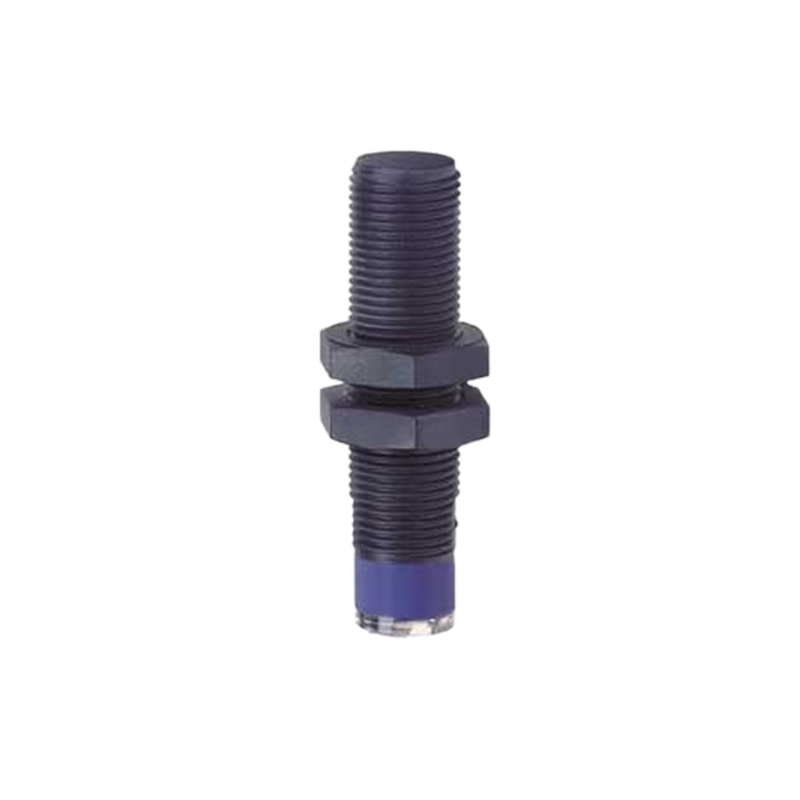
In conclusion, the price of an X20 proximity sensor is a multifaceted issue shaped by technology, market forces, and operational requirements. By understanding these elements, engineers and purchasers can make informed decisions that optimize both performance and budget. As automation continues to advance, the X20 series remains a reliable choice, with prices reflecting its value in enhancing industrial productivity and safety.