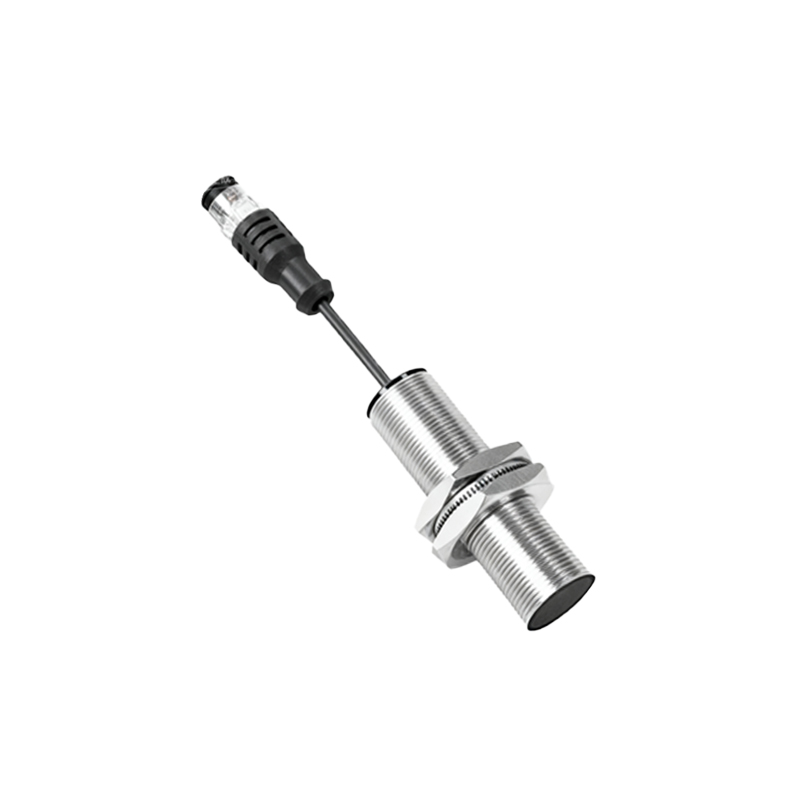
This experimental report details the comprehensive testing and analysis of various physical proximity sensors under controlled industrial conditions. The primary objective was to evaluate their operational characteristics, reliability, and suitability for different automation tasks. The sensors tested included inductive, capacitive, and ultrasonic proximity sensors from leading manufacturers.
The experimental setup was designed to simulate a standard industrial environment. A test rig was constructed with a programmable linear actuator to provide precise, repeatable motion. The sensors were mounted on a fixed bracket, while a series of standardized test objects—a 1-inch mild steel cube for inductive sensors, a plastic container filled with water for capacitive sensors, and assorted materials for ultrasonic sensors—were attached to the actuator. Environmental factors such as ambient temperature were maintained at 22°C (±2°C), and electrical noise was introduced via a variable-frequency drive placed 0.5 meters away to test electromagnetic compatibility.
The first phase involved testing the inductive sensors. The key parameter measured was the effective sensing distance (Sn). According to datasheets, the nominal sensing range for the tested model was 8mm. Our experiments confirmed a consistent actual sensing distance of 7.8mm for the standardized steel target, demonstrating a 2.5% deviation, which is within the expected tolerance. The sensor exhibited excellent repeatability, with a hysteresis value of less than 0.1mm. The switch-on and switch-off points were remarkably stable even with the introduction of electrical noise. However, performance degraded when non-ferrous metals like aluminum were used as targets, with the sensing distance reduced by approximately 60%.
Subsequent tests focused on capacitive proximity sensors. These units were calibrated to detect the water-filled plastic container. The standout feature was their ability to sense non-metallic materials through thin barriers. The sensing distance was adjustable, and we recorded a stable detection range of 10mm for the specified target. Sensitivity to environmental changes was notable; an increase in ambient humidity by 15% caused a drift in the sensing point of up to 0.5mm, requiring recalibration. This highlights a critical consideration for applications in humid or dirty environments where contaminants might adhere to the sensor face.
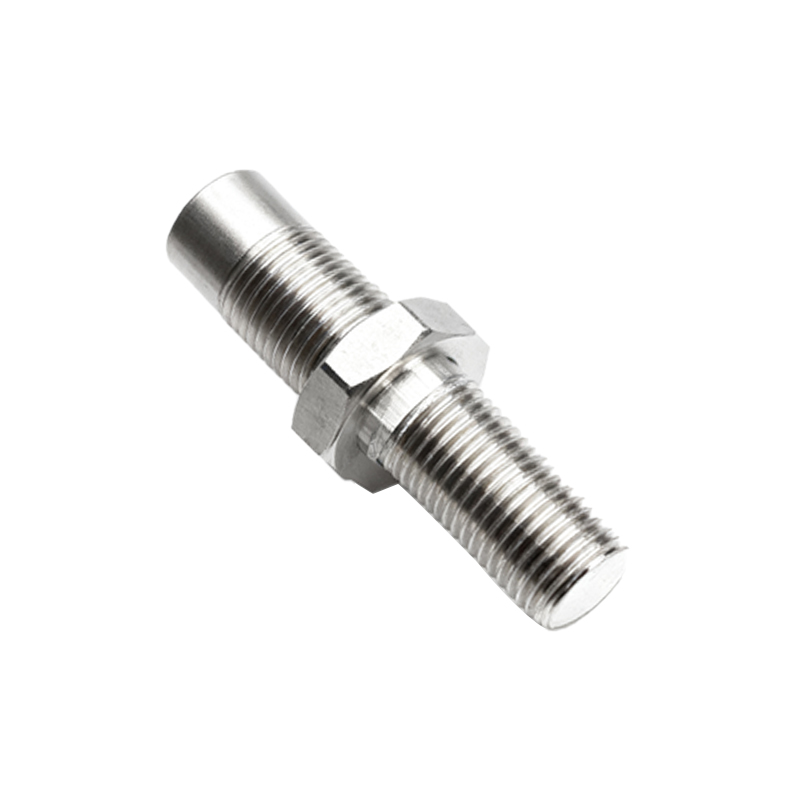
The ultrasonic sensors presented a different profile. Their greatest advantage was the long, consistent sensing range, which we verified up to 600mm for a flat wooden target. The tests measured the response time and beam angle. The average response time for a detection event was 85ms, which is significantly longer than the sub-millisecond response of inductive sensors. This makes them less ideal for high-speed counting applications. The beam dispersion angle was measured at approximately 5 degrees, ensuring precise detection. A critical finding was their susceptibility to acoustic noise and air turbulence; a compressed air jet directed near the sensing path caused intermittent false triggers.
A comparative analysis of output signals was conducted. All sensors were configured with NPN normally-open outputs connected to a data acquisition unit. The inductive sensor provided the cleanest and fastest switching signal. The capacitive sensor's signal showed minor oscillations when operating at its sensitivity limit. The ultrasonic sensor's digital output was stable, but the inherent response delay was confirmed.
In conclusion, the experiment validates that sensor selection is profoundly application-dependent. Inductive sensors remain the workhorse for metallic object detection in harsh, high-speed industrial settings due to their robustness and speed. Capacitive sensors are indispensable for detecting liquids, powders, or non-metals but demand stable environmental conditions. Ultrasonic sensors offer excellent solutions for long-range, non-contact level or distance measurement where speed is not the primary constraint. Engineers must account for target material, required sensing distance, environmental factors, and response time specifications to ensure optimal system performance and reliability. Future work should involve extended durability testing under extreme temperatures and vibration profiles.