Infrared proximity sensors have become integral components across various industries, from consumer electronics to industrial automation. Their ability to detect objects without physical contact makes them invaluable for applications like touchless switches, object detection, and distance measurement. The pricing of these sensors is influenced by multiple factors, including technology type, detection range, accuracy, and additional features such as ambient light rejection or digital output.
Currently, the market offers a wide price range for infrared proximity sensors. Basic models with short detection ranges (up to 10 cm) and analog outputs can be found for as low as $0.50 to $2 per unit in bulk orders. These are commonly used in simple applications like automatic faucets or hand dryers. Mid-range sensors, featuring detection distances of up to 30 cm, digital interfaces (I2C or SPI), and better noise immunity, typically cost between $2 and $10. These are popular in robotics, smart home devices, and automotive systems. High-end infrared proximity sensors, designed for precision applications such as medical equipment or advanced robotics, can exceed $20 per unit. These models often include integrated signal processing, customizable detection parameters, and enhanced durability.
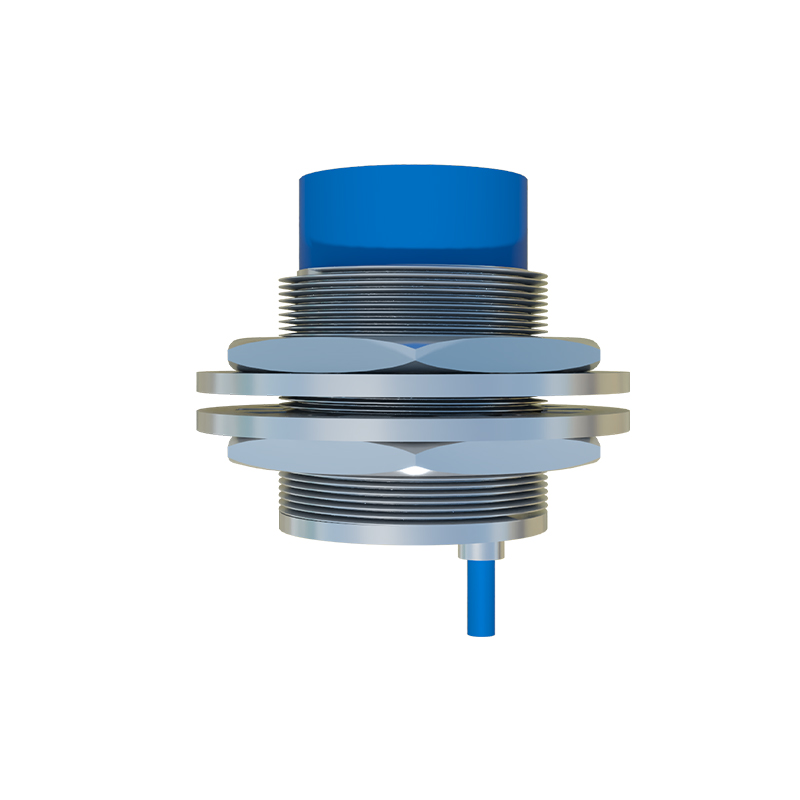
The cost structure of infrared proximity sensors is heavily impacted by production scale and technological advancements. Mass production, particularly for consumer electronics like smartphones, has driven prices down over the past decade. Innovations in LED efficiency and photodiode sensitivity have also reduced manufacturing expenses. However, specialized sensors with unique wavelengths or high-speed response times remain costly due to niche demand and complex fabrication processes.
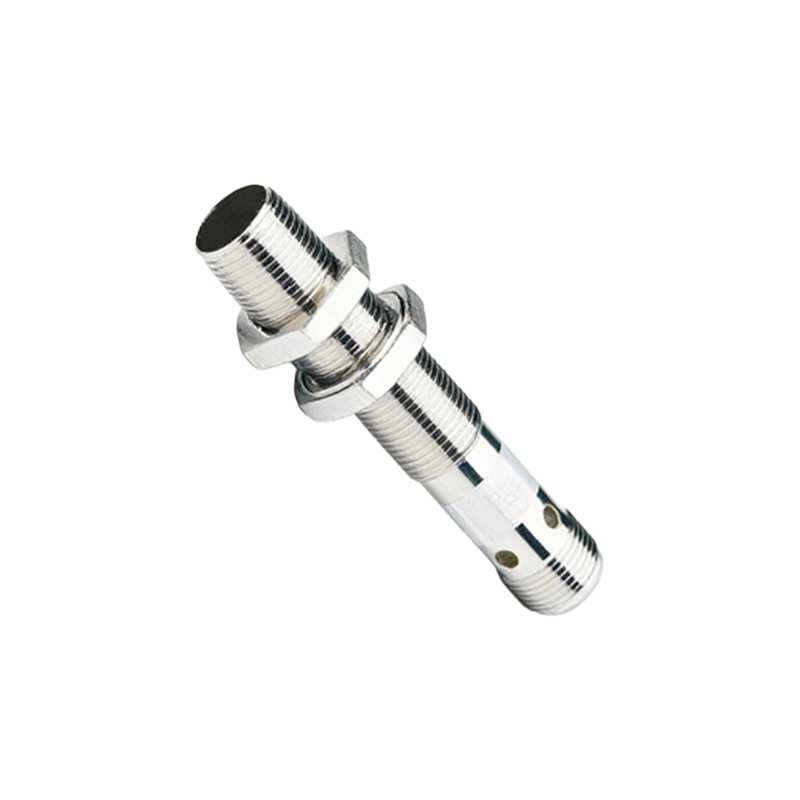
Market trends indicate a growing demand for miniaturized and energy-efficient sensors, which may initially raise prices due to R&D investments but could lead to long-term cost reductions. The rise of IoT and smart devices is expected to further expand the market, potentially stabilizing prices through competition. When selecting an infrared proximity sensor, engineers should balance performance requirements with budget constraints, considering total ownership costs including integration and maintenance.
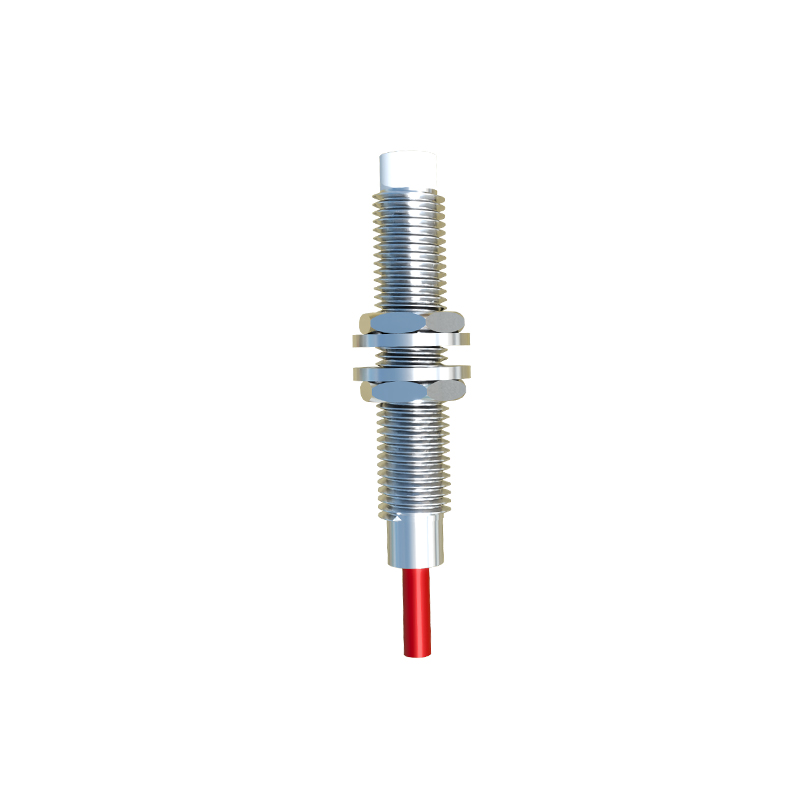
In summary, while infrared proximity sensor prices vary widely, understanding the key drivers—such as technology, application, and volume—can help businesses make informed purchasing decisions. As the industry evolves, continuous innovation and market expansion are likely to shape future pricing dynamics.