In the realm of industrial automation and control systems, proximity sensors are indispensable components for non-contact detection of objects. Among the diverse types available, the two-wire dual-light proximity sensor represents a sophisticated and efficient solution, particularly valued for its simplicity in wiring and enhanced functionality. This article delves into the operational principles, key advantages, typical applications, and critical selection criteria for these sensors, providing a comprehensive guide for engineers and system integrators.
At its core, a two-wire dual-light proximity sensor integrates two primary components: an infrared LED emitter and a phototransistor or photodiode receiver. Unlike conventional three-wire sensors that require separate power, ground, and signal lines, the two-wire variant operates on a simplified loop. It is connected in series with the load (such as a PLC input or relay) to the power supply. The "dual-light" feature typically refers to the sensor's ability to utilize two distinct wavelengths of light or two separate optical paths, often enhancing its capability to differentiate between target objects and background interference or to provide state indication. A common implementation involves one light source for the primary detection beam and a secondary, often differently colored, LED for providing a clear visual status output (e.g., green for power-on/standby, yellow/red for object detection). This dual functionality is managed intelligently within the sensor's embedded circuitry.
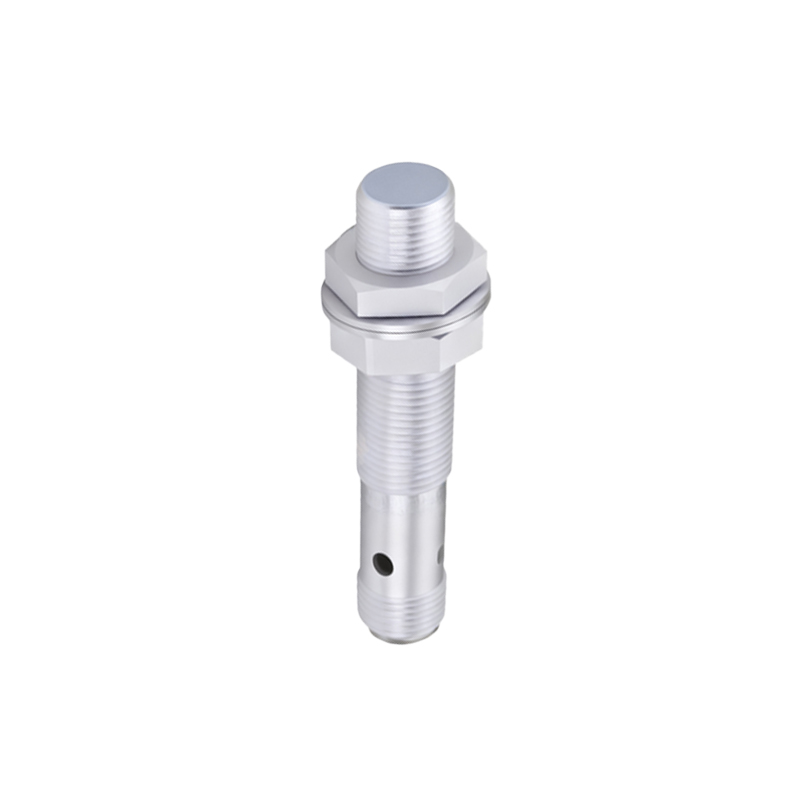
The operational principle is based on the modulation of current flow. In the absence of a target, the sensor draws a low quiescent current (often termed the "leakage" or "off-state" current), which is insufficient to activate the connected load. When an object enters the sensing range, it reflects the emitted infrared light back to the receiver. This triggers the internal electronics to significantly increase the current flow through the loop. This heightened current, now above the threshold required to switch the load, is interpreted as a "ON" or "detect" signal. The integrated status LED simultaneously illuminates, providing immediate local feedback. This current-based signaling is key to the two-wire design's simplicity.
The advantages of employing two-wire dual-light proximity sensors are substantial. Firstly, the two-wire configuration drastically reduces installation time, complexity, and cost. There is no need for a separate signal wire, minimizing wiring errors and saving on cable and conduit expenses. This makes them ideal for large-scale installations or retrofitting existing systems. Secondly, the built-in dual-light status indication is a significant operational benefit. Technicians can instantly verify sensor operation and diagnose issues (like misalignment or sensing range problems) visually without needing diagnostic tools, thereby reducing downtime. Thirdly, these sensors generally exhibit good resistance to electrical noise and are compatible with a wide range of PLCs and controllers designed for two-wire input devices. Finally, their solid-state design ensures high reliability, long operational life, and resilience in harsh industrial environments involving dust, moisture, or vibration.
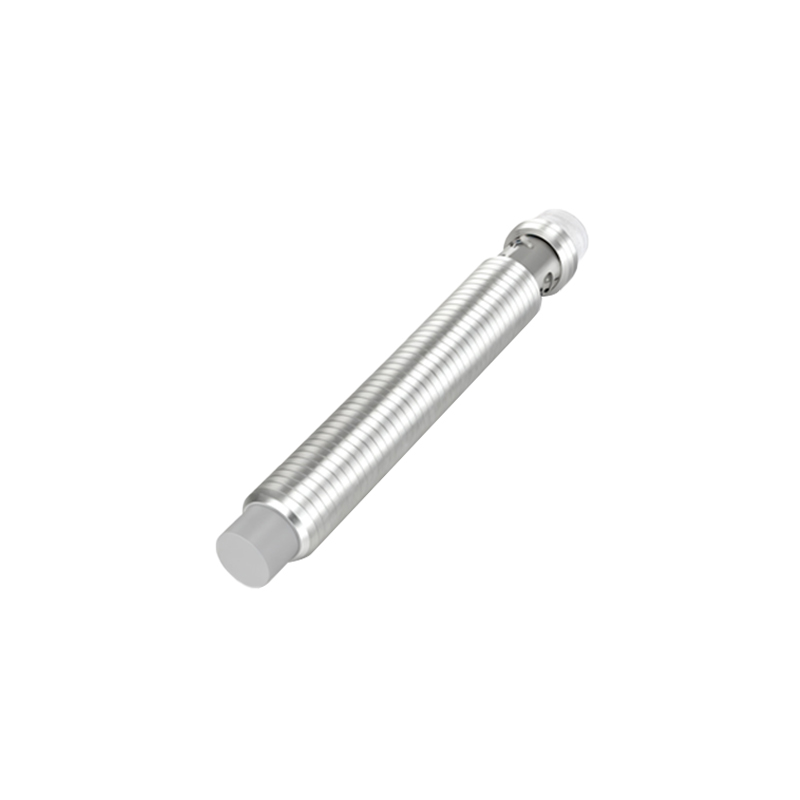
Typical applications for these sensors are widespread across manufacturing and logistics. They are extensively used for object detection on conveyor lines to count products, control sorting gates, or verify presence for subsequent processes. In packaging machinery, they detect the position of labels, flaps, or filled containers. Assembly robots often use them for part verification before a pick or place operation. The visual status light is particularly useful in automated storage and retrieval systems (AS/RS) and in areas where quick manual checks are necessary for safety or operational efficiency.
Selecting the appropriate two-wire dual-light proximity sensor requires careful consideration of several parameters. Sensing Distance: This is the critical nominal range at which the sensor can reliably detect a standard target. It must be chosen with a safety margin to account for object variations and environmental conditions. Output Type: While inherently digital (ON/OFF), it is crucial to confirm the sensor's switching logic (normally open or normally closed) and its compatibility with the load's voltage and current requirements, especially the maximum off-state current to prevent false triggering. Power Supply Voltage: Ensure the sensor's operating voltage range (commonly 10-30V DC) matches the available system voltage. Environmental Ratings: The Ingress Protection (IP) rating (e.g., IP67) is vital for determining suitability for washdown areas or outdoor use. Housing material (e.g., stainless steel vs. plastic) should be selected based on exposure to chemicals, impacts, or temperature extremes. Response Time: For high-speed applications, a fast response time is essential to keep pace with the production line. Light Source and Beam Pattern: Understanding the emitted light's characteristics (modulated infrared to avoid ambient light interference) and the beam's shape (focused spot vs. diffuse) helps in precise positioning and avoiding false triggers from background objects.
In conclusion, two-wire dual-light proximity sensors offer a compelling blend of installation simplicity