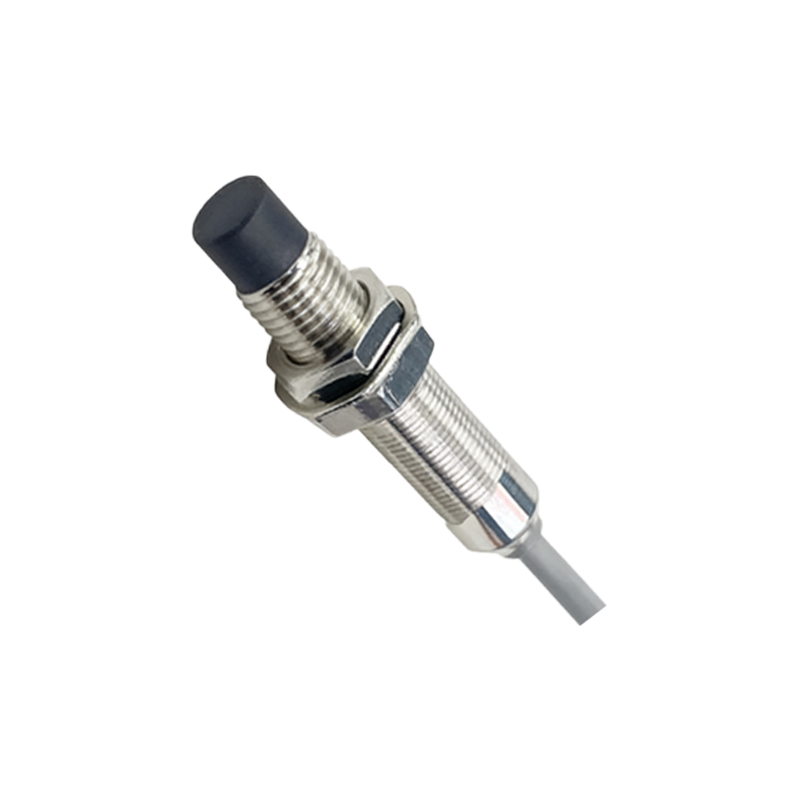
In industrial automation and electrical engineering, proximity sensors are critical components for detecting the presence or absence of objects without physical contact. A common question that arises in practical applications is whether strong magnets can affect the performance of these sensors. The answer is not straightforward, as it depends on the type of proximity sensor, the magnet's strength, and the specific operating environment.
Proximity sensors primarily fall into three categories: inductive, capacitive, and magnetic (including reed switches and Hall effect sensors). Inductive sensors detect metallic objects by generating an electromagnetic field. When a metal object enters this field, it induces eddy currents, triggering the sensor. Strong magnets can potentially distort the electromagnetic field of inductive sensors, leading to false triggers or reduced sensing range. However, this interference is generally minimal unless the magnet is extremely powerful or placed very close to the sensor. Capacitive sensors, which detect objects based on changes in capacitance, are less susceptible to magnetic interference but may be affected if the magnet alters the dielectric properties of the surrounding medium.
Magnetic proximity sensors, such as reed switches or Hall effect sensors, are designed to respond to magnetic fields. Reed switches close or open in the presence of a magnetic field, while Hall effect sensors generate a voltage proportional to the field strength. Strong magnets can easily activate these sensors, which might be desirable in some applications but problematic in others where unintended activation could occur. For instance, in a manufacturing line using reed switches, an external strong magnet could cause erroneous signals, disrupting automated processes.
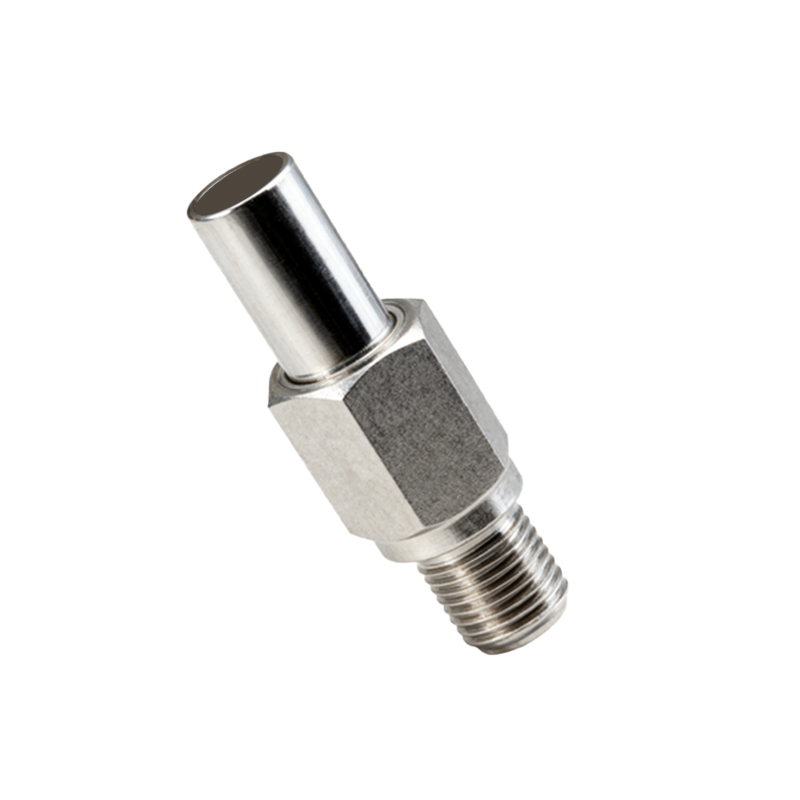
The impact of strong magnets also relates to sensor shielding and design. Many industrial proximity sensors are shielded to minimize external electromagnetic interference. Shielded inductive sensors, for example, have a metal housing that confines the electromagnetic field, reducing susceptibility to nearby magnets. Unshielded sensors are more vulnerable. Engineers must consider the sensor's datasheet specifications, including magnetic field immunity ratings, when deploying them in environments with potent magnetic sources like motors, transformers, or permanent magnets.
Practical experiments show that neodymium magnets, known for their exceptional strength, can interfere with proximity sensors if placed within a few centimeters. The interference might manifest as reduced detection distance, signal instability, or complete failure. In critical applications, such as safety systems or precision machinery, it's advisable to maintain a safe distance between strong magnets and sensors, or opt for sensors with higher immunity. Additionally, environmental factors like temperature and vibration can compound magnetic effects, necessitating thorough testing during installation.
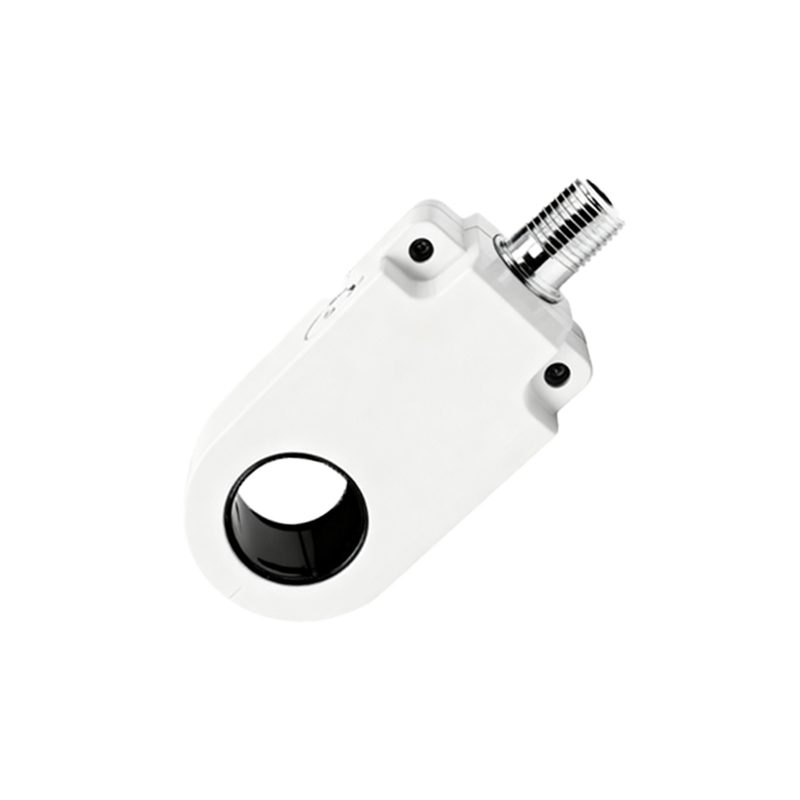
To mitigate risks, follow best practices: select sensors rated for magnetic environments, use shielding or enclosures, and conduct on-site validation. For example, in automotive assembly lines where magnets are common, Hall effect sensors might be preferred due to their controlled response to magnetic fields. Regular maintenance and monitoring can also help detect gradual performance degradation caused by magnetic interference.
In summary, strong magnets can indeed affect proximity sensors, with the degree of impact varying by sensor type and magnet strength. While magnetic sensors are inherently sensitive, inductive and capacitive sensors may experience interference under specific conditions. Understanding these dynamics is essential for ensuring reliable operation in electrical and automation systems. Always consult manufacturer guidelines and perform real-world testing to optimize sensor placement and performance.