In the intricate landscape of industrial automation, proximity sensors serve as the critical eyes of machinery, detecting the presence or absence of objects without physical contact. However, the raw signals generated by these sensors are often vulnerable to electrical noise, voltage spikes, and signal degradation over long cable runs. This is where the proximity sensor buffer, an often-overlooked but vital component, comes into play. Its primary function is to condition, isolate, and amplify the sensor's output signal, ensuring reliable communication with programmable logic controllers (PLCs), motor drives, and other control systems.
A proximity sensor buffer acts as an intermediary interface. Inductive, capacitive, or photoelectric sensors typically output a discrete signal (ON/OFF). In harsh industrial environments, this signal can be compromised. Electrical interference from motors, welders, or variable frequency drives (VFDs) can induce false triggering or signal loss. Long cable distances introduce capacitance and resistance, potentially weakening the signal to a point where the PLC cannot reliably interpret it. The buffer mitigates these issues by providing a clean, regenerated output signal. It often incorporates features like noise filtering, surge protection, and signal delay or timing functions. For instance, a buffer can be set to ignore brief, spurious signals (debouncing) or to extend a short pulse from a sensor to a duration readable by a slower controller.
Electrical isolation is another cornerstone of a buffer's role. Many high-quality buffers provide galvanic isolation between the sensor circuit and the control circuit. This isolation barrier, often optical or magnetic, prevents ground loop currents and high-voltage transients from the load side from damaging the sensitive electronics of the proximity sensor. It protects both the sensor and the downstream control equipment, significantly enhancing system longevity and reducing downtime. Furthermore, buffers solve the problem of signal level conversion. A sensor might operate at 12V DC, while the PLC input module is designed for 24V DC. A buffer can seamlessly adapt the voltage level, ensuring compatibility between devices from different manufacturers.
From an application perspective, the use of buffers is paramount in scenarios involving long-distance signal transmission, high-noise environments, and when driving high-capacitance or inductive loads like relays or solenoid valves directly. Without a buffer, directly connecting a sensor to a heavy load can draw excessive current, damaging the sensor's solid-state output. The buffer provides a robust, amplified output stage capable of handling higher current demands, effectively acting as a signal repeater and power booster. This also allows for the use of smaller, more cost-effective sensors since the burden of driving the load is shifted to the buffer.
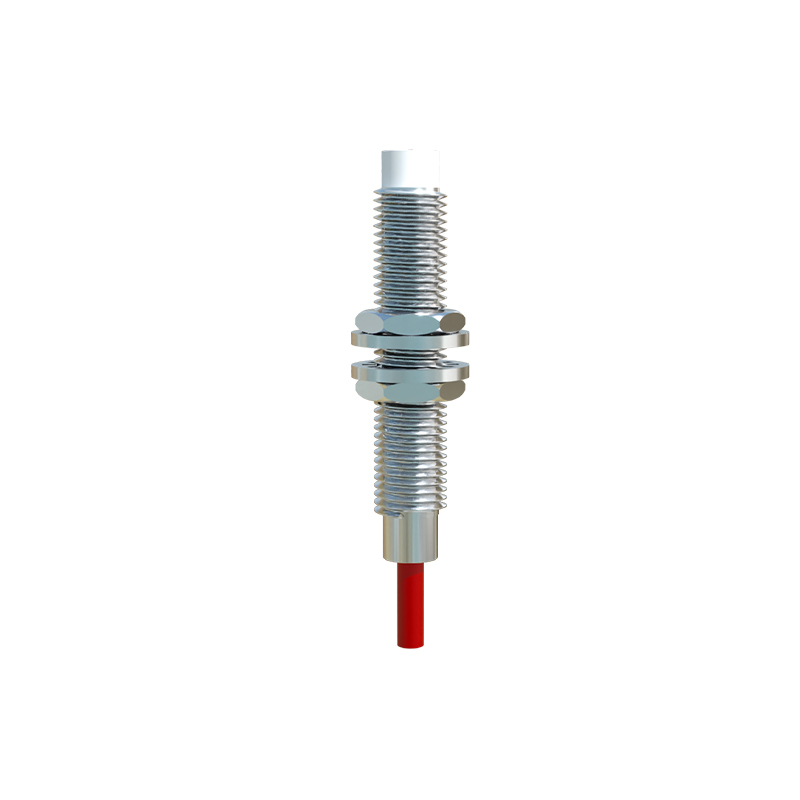
In summary, the proximity sensor buffer is not merely an accessory but a fundamental component for robust system design. It ensures signal integrity, provides critical protection against electrical hazards, enables compatibility between disparate devices, and enhances the overall reliability and noise immunity of an automation system. Specifying the appropriate buffer—considering factors like input/output type (PNP/NPN), voltage range, isolation rating, switching speed, and additional timing functions—is as crucial as selecting the sensor itself. For engineers designing reliable and maintainable industrial control systems, understanding and utilizing sensor buffers is a best practice that prevents field failures and ensures seamless, uninterrupted operation.