In the realm of industrial automation and electronic design, proximity and photoelectric sensing technologies are fundamental for enabling non-contact detection, object positioning, and process control. These sensors, which detect the presence, absence, or distance of an object without physical contact, are critical for enhancing efficiency, safety, and reliability across numerous applications. This article delves into the primary methods of proximity and photoelectric sensing, outlining their operational principles, typical configurations, and key considerations for implementation.
The core family of proximity sensors primarily includes inductive, capacitive, and magnetic (often Reed switch or Hall effect-based) types. Inductive proximity sensors are widely used for detecting metallic objects. They operate by generating an electromagnetic field from an oscillator circuit. When a metallic target enters this field, it induces eddy currents, causing a change in the oscillation amplitude. This change is detected by the sensor's threshold circuit, triggering an output signal. These sensors are robust, suitable for harsh industrial environments, and excel in detecting ferrous metals like steel and iron, with some types also capable of sensing non-ferrous metals like aluminum or copper, albeit at a reduced sensing range.
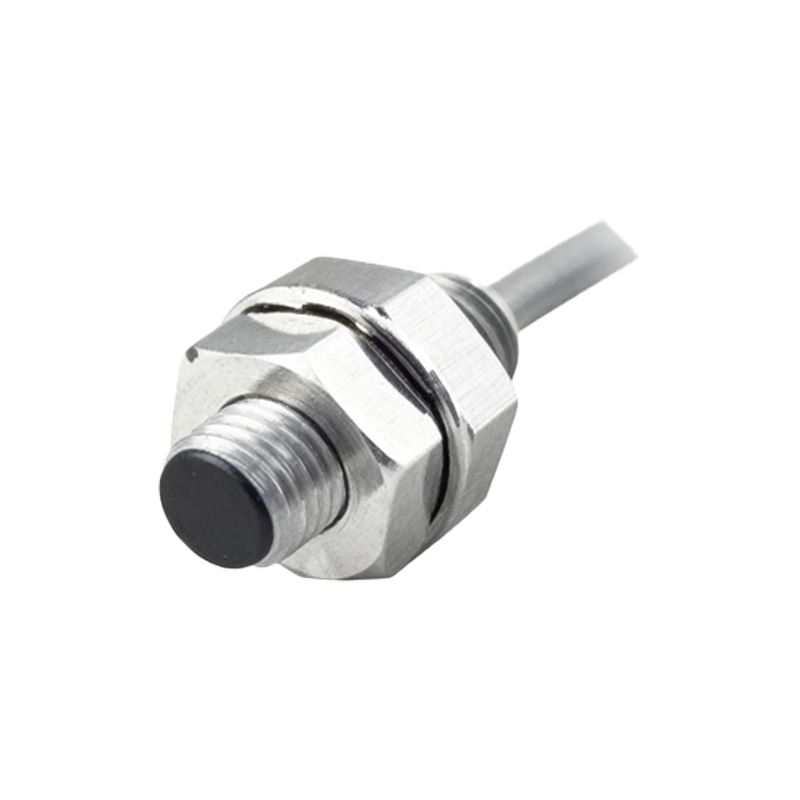
Capacitive proximity sensors, in contrast, can detect both metallic and non-metallic materials, including liquids, plastics, wood, and granular substances. They function by generating an electrostatic field. The presence of any object with a dielectric constant different from air alters the capacitance of the sensor's field. This capacitance change is measured, and when it exceeds a preset threshold, the sensor switches its output state. A key advantage is their ability to sense through certain non-metallic containers, making them ideal for level detection of liquids or powders. However, they can be more susceptible to environmental factors like humidity or contaminants on the sensor face.
Magnetic proximity sensors detect the presence of a permanent magnet. Common variants include Reed switches, which are hermetically sealed glass tubes containing two ferromagnetic reeds that close or open in the presence of a magnetic field, and Hall effect sensors, which produce a voltage difference (the Hall voltage) when a magnetic field is applied perpendicular to current flow in a conductor. These sensors are frequently used for position sensing, such as in cylinder position feedback or door/window security systems, offering long operational life and reliability.
Photoelectric sensors represent another major category, utilizing light beams to detect objects. They consist of a light source (typically an LED emitting visible red, infrared, or laser light) and a receiver. The three main operating modes are through-beam, retro-reflective, and diffuse (proximity) sensing.
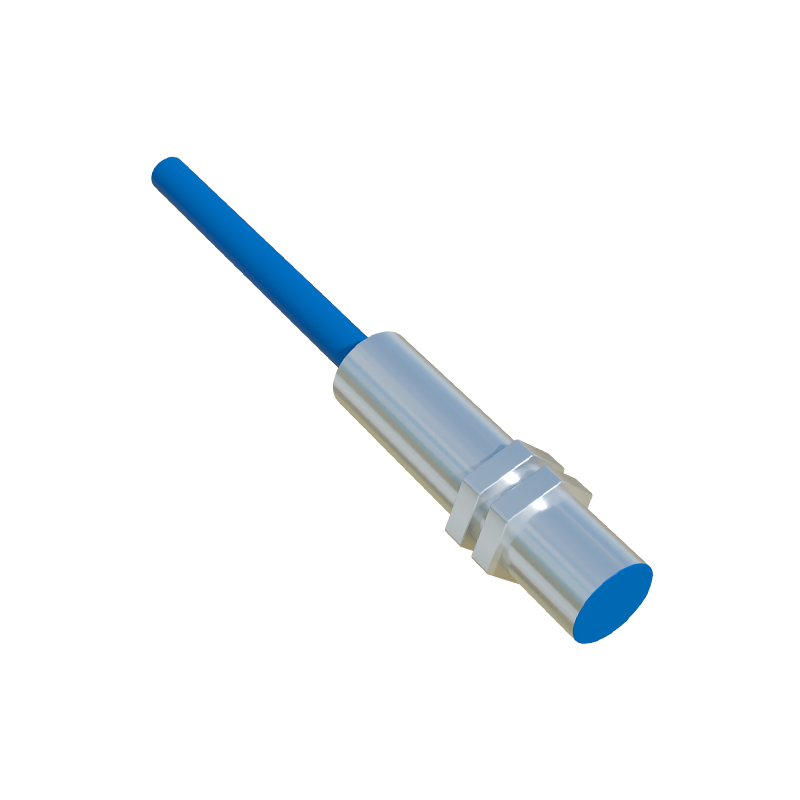
Through-beam sensors, also known as opposed-mode sensors, have separate, aligned transmitter and receiver units. The object is detected when it interrupts the light beam traveling from the emitter to the receiver. This method offers the longest sensing ranges and highest reliability, as it is largely immune to object color, reflectivity, or surface finish. It is ideal for precise detection over long distances but requires careful alignment and installation of two separate components.
Retro-reflective sensors house both the emitter and receiver in a single housing. They project a light beam onto a specialized reflector (corner-cube or tape reflector), which reflects the light directly back to the receiver. An object is detected when it breaks this reflected beam. These sensors simplify installation compared to through-beam types, as only one device and a reflector need to be mounted. However, they can be fooled by highly reflective objects that might bounce the beam back to the receiver even when present. Many models feature polarization filters to mitigate this by only accepting light that has its polarization rotated by the reflector.
Diffuse sensors, or proximity-mode photoelectric sensors, also integrate the emitter and receiver. They detect an object when the emitted light reflects off the object's surface and returns to the receiver. The sensing range is highly dependent on the object's size, color, and surface texture—light-colored, matte surfaces provide better reflectivity and longer range than dark, shiny, or absorbent surfaces. Some advanced diffuse sensors use background suppression technology, which determines the angle of the returning light to sense only objects within a specific distance, ignoring the background. This is crucial for consistent detection regardless of object color.
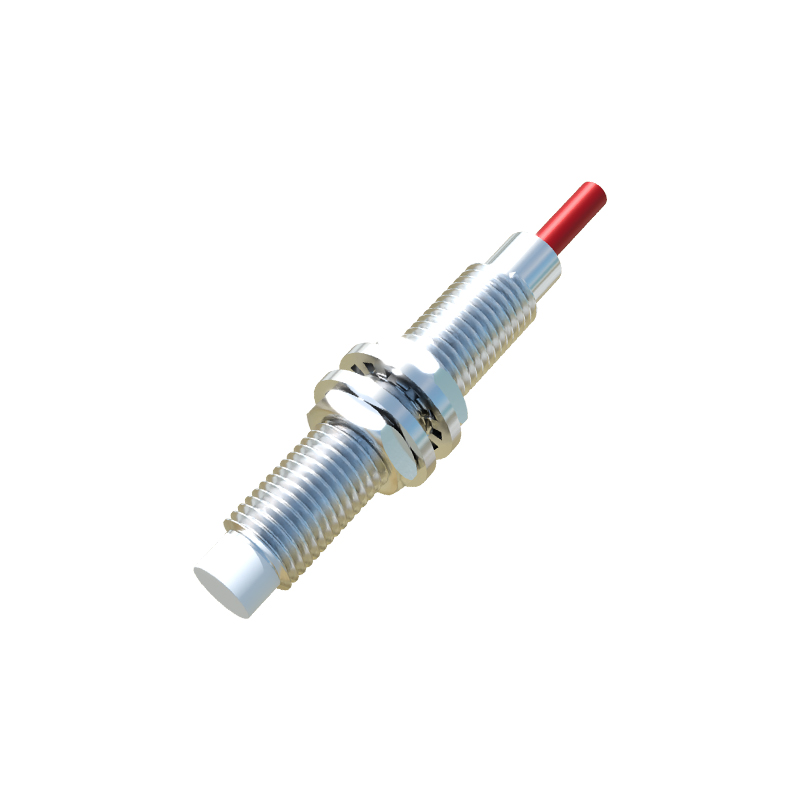
Selecting the appropriate sensing method depends on a detailed analysis of the application requirements. Key factors include the material composition of the target object (metal, plastic, liquid), the required sensing distance, the operating environment (presence of dust, moisture, oil, or electrical noise), the required response speed and switching frequency, and installation constraints. For instance, an inductive sensor is the default choice for detecting a metal gear tooth on a high-speed production line, while a capacitive sensor would be selected to detect the fill level of plastic pellets in a hopper. A through-beam photoelectric sensor might be deployed for detecting transparent bottles on a conveyor, whereas a background suppression diffuse sensor could be used to reliably detect black tires on a black