In the realm of industrial automation and control systems, proximity sensors play a pivotal role in enabling non-contact detection of objects. Among the various types available, the 6S proximity sensor series stands out for its robust performance, reliability, and adaptability across diverse environments. This article delves into the technical specifications, operational principles, and practical applications of 6S proximity sensors, providing insights for engineers and technicians seeking to optimize their automation setups.
Proximity sensors, by design, detect the presence or absence of an object without physical contact. The 6S series typically employs inductive sensing technology, which is ideal for detecting metallic targets. These sensors generate an electromagnetic field; when a metal object enters this field, it induces eddy currents that alter the sensor's oscillation amplitude. This change triggers a switching signal, indicating the object's presence. Key advantages include high switching frequency, resistance to environmental contaminants like dust or oil, and long operational life due to the absence of moving parts.
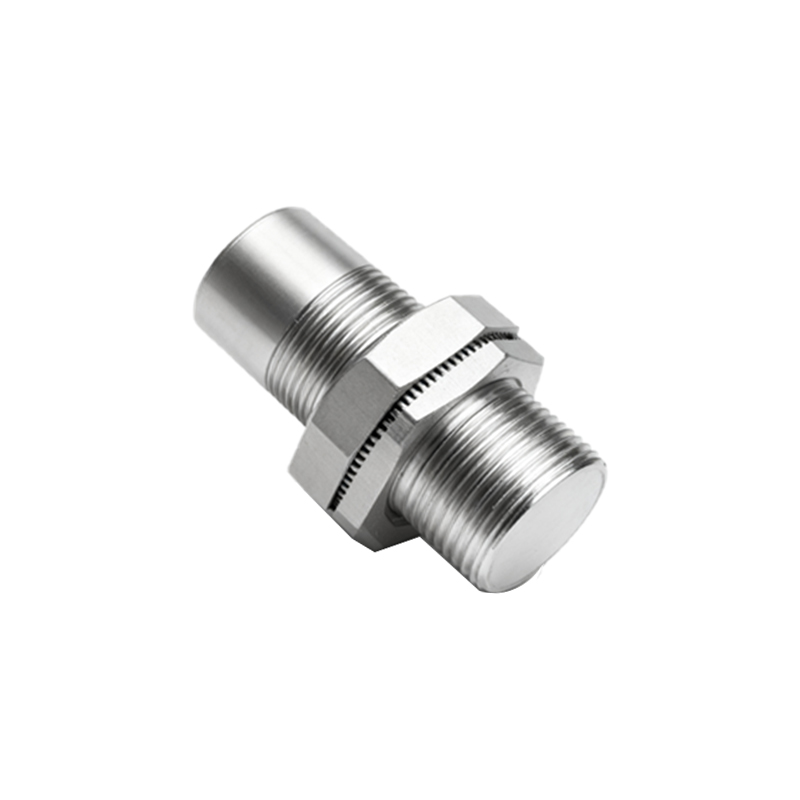
The 6S sensor lineup often features variants with different sensing ranges, housing materials (such as nickel-plated brass or stainless steel), and output configurations (e.g., NPN or PNP transistor outputs). Common sensing distances range from 1 to 15 mm, depending on the model and target material. For instance, a standard 6S inductive sensor might offer a nominal sensing distance of 5 mm for mild steel. It is crucial to consider factors like temperature tolerance, typically between -25°C to 70°C, and IP ratings (e.g., IP67) for protection against water and dust ingress in harsh industrial settings.
Installation and wiring are straightforward but require attention to detail. Sensors should be mounted securely to minimize vibration effects, with adequate clearance from other metal surfaces to prevent false triggering. Wiring must adhere to manufacturer guidelines, ensuring correct polarity and load connections to avoid damage. Many 6S models incorporate LED indicators for status monitoring, simplifying diagnostics during commissioning or troubleshooting.
Applications of 6S proximity sensors are extensive across industries such as automotive manufacturing, packaging, material handling, and machine tooling. They are commonly used for position sensing, end-of-travel detection, counting objects on conveyor belts, and ensuring safety interlock functions. In automotive assembly lines, for example, these sensors verify the presence of components like bolts or panels, enhancing quality control. Their durability makes them suitable for high-cycle operations where mechanical limit switches might wear out quickly.
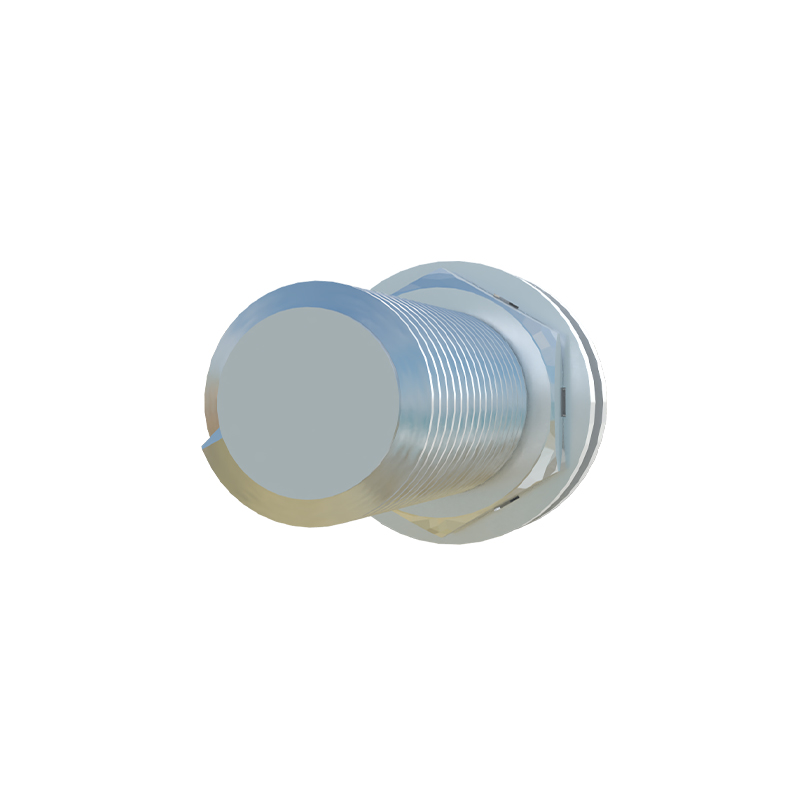
When selecting a 6S proximity sensor, engineers must evaluate parameters like target material, size, and required sensing distance. For non-ferrous metals, reduction factors may apply, necessitating sensor adjustments. Additionally, environmental conditions such as exposure to chemicals or extreme temperatures should inform the choice of housing and sealing. Regular maintenance, though minimal, involves periodic checks for accumulated debris or physical damage to ensure consistent performance.
In summary, 6S proximity sensors represent a versatile and dependable solution for industrial automation challenges. Their non-contact operation, coupled with rugged construction and precise detection capabilities, makes them integral to modern manufacturing processes. By understanding their technical nuances and application best practices, professionals can leverage these sensors to improve efficiency, safety, and reliability in automated systems. As technology evolves, innovations in sensing accuracy and connectivity may further enhance the 6S series' role in smart factories and Industry 4.0 initiatives.