In the realm of industrial automation, proximity sensors are indispensable components for detecting the presence or absence of objects without physical contact. Among the various types available, three-wire DC proximity sensors, particularly those with square-type housings, have gained prominence due to their robust performance and versatility. This article delves into the technical aspects, applications, and advantages of these sensors, providing a thorough understanding for engineers and technicians in the electrical and automation industries.
Three-wire DC proximity sensors operate on a direct current power supply, typically ranging from 10 to 30 VDC. The "three-wire" designation refers to the wiring configuration: one wire for power supply (V+), one for ground (V-), and one for the output signal. This setup allows for a clear separation of power and signal lines, reducing interference and enhancing reliability. Square-type housings, often made from durable materials like nickel-plated brass or stainless steel, offer a compact and sturdy design suitable for harsh industrial environments. Their geometric shape facilitates easy installation in confined spaces and provides multiple mounting options, such as flush or non-flush mounting, depending on the application requirements.
The sensing principle of these sensors is primarily based on electromagnetic fields. Inductive proximity sensors, the most common variant for metal detection, generate an oscillating electromagnetic field from a coil in the sensing face. When a metallic object enters this field, eddy currents are induced, causing a change in oscillation amplitude. This change is detected by the internal circuitry, which then triggers the output switch. For non-metallic objects, capacitive versions are available, detecting changes in capacitance. The output of three-wire DC sensors can be either NPN (sinking) or PNP (sourcing), allowing compatibility with various control systems like PLCs (Programmable Logic Controllers). The switching frequency, often up to several kHz, enables high-speed detection, making them ideal for applications such as conveyor belt monitoring, robotic assembly, and packaging machinery.
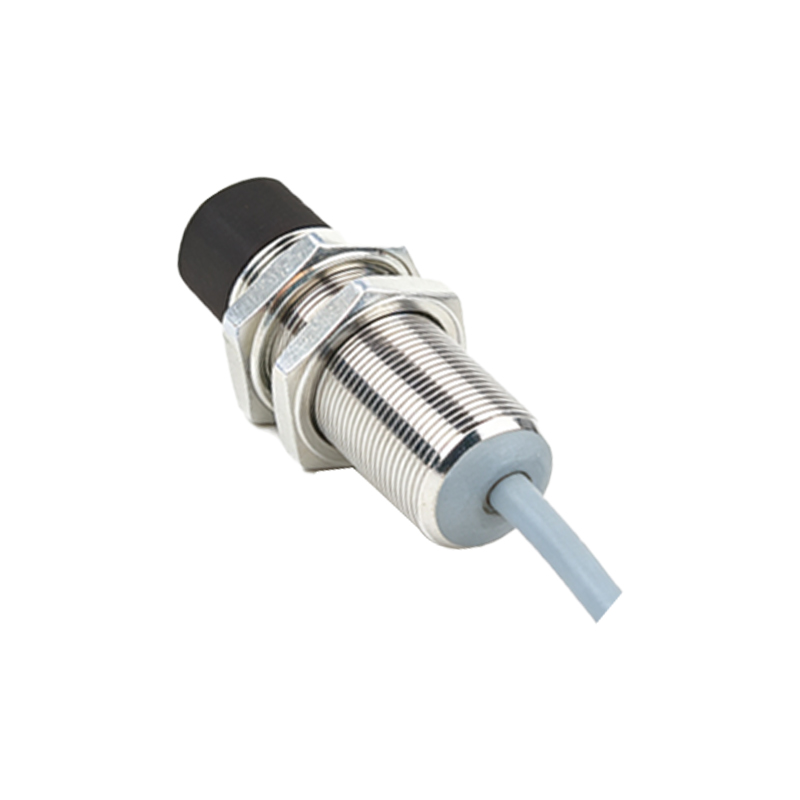
One key advantage of square-type three-wire DC proximity sensors is their environmental resilience. Many models feature IP67 or higher ingress protection ratings, meaning they are dust-tight and can withstand temporary immersion in water. This makes them suitable for use in washdown areas, outdoor installations, or dusty manufacturing plants. Additionally, their solid-state design ensures long operational life with minimal maintenance, as there are no moving parts to wear out. The LED indicator, commonly integrated into the housing, provides visual feedback on the sensor's status, aiding in troubleshooting and setup.
When selecting a square-type three-wire DC proximity sensor, engineers must consider factors such as sensing distance, which typically ranges from 2 to 15 mm for standard inductive models. The sensing distance should be chosen based on the target material and size, with derating factors applied for non-ferrous metals. Temperature tolerance is another critical parameter, with many sensors operating reliably from -25°C to 70°C. Electrical specifications, including voltage range, current consumption, and output type, must align with the system's requirements to ensure seamless integration.
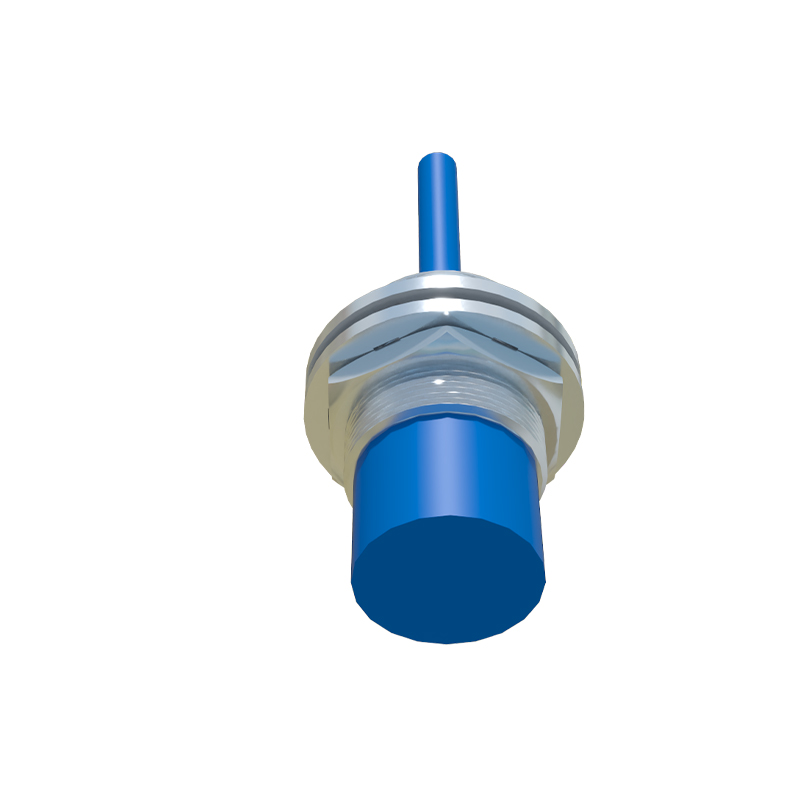
In practice, these sensors are widely used across industries. In automotive manufacturing, they detect parts on assembly lines, ensuring precise positioning. In food processing, stainless steel variants meet hygiene standards while monitoring product flow. The square design allows for side-by-side mounting without mutual interference, enhancing layout flexibility. For installation, it is essential to avoid metallic surroundings that could cause false triggering, and proper shielding may be required in electrically noisy environments.
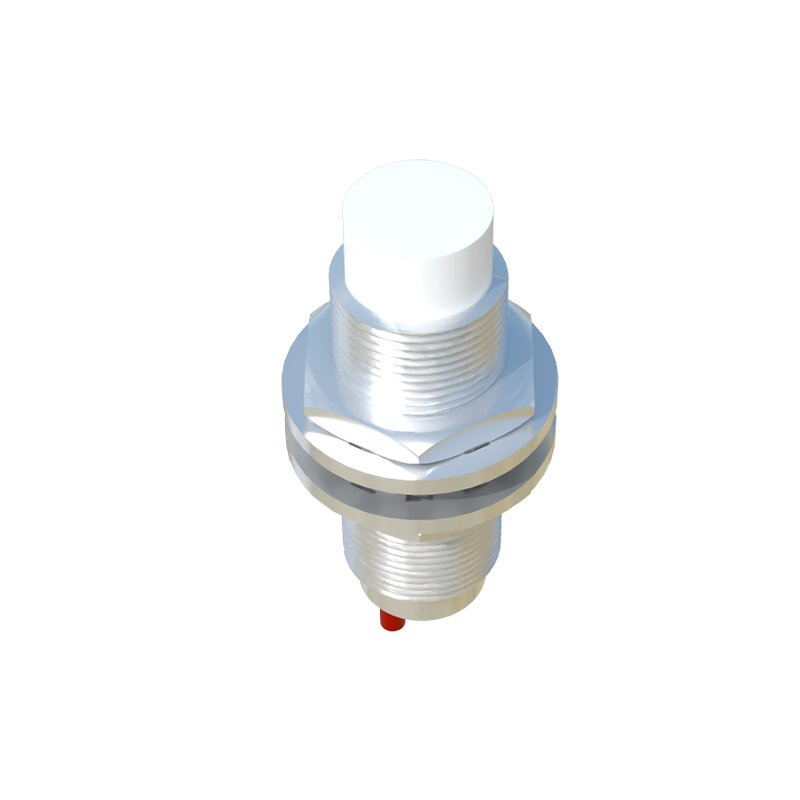
Looking ahead, advancements in miniaturization and smart features are shaping the future of three-wire DC proximity sensors. Some modern versions incorporate IO-Link communication, enabling digital data exchange for predictive maintenance and parameter adjustment. Despite these innovations, the fundamental reliability of the square-type housing remains a cornerstone, offering a balance of durability and functionality.
In conclusion, three-wire DC proximity sensors with square-type housings are vital tools in automation, providing non-contact detection with high accuracy and resilience. By understanding their technical nuances and application scenarios, professionals can optimize system performance and drive efficiency in industrial operations.