In the rapidly evolving landscape of industrial automation and control systems, proximity sensors stand as critical components for non-contact detection, ensuring precision, safety, and efficiency. For Original Equipment Manufacturers (OEMs) and system integrators, selecting the right contract manufacturing partner for proximity sensors is a strategic decision that impacts product quality, supply chain reliability, and market competitiveness. This guide delves into the key types of proximity sensor OEM factories, their specializations, and essential criteria for partnership evaluation.
The global market for proximity sensors is served by a diverse ecosystem of manufacturing facilities, each with distinct capabilities. Primarily, these factories can be categorized based on their core technological expertise and market positioning.
First, we have the large-scale, integrated electronics manufacturers. These are often established giants with vertically integrated operations. They possess in-house capabilities for semiconductor fabrication, precision molding, coil winding, and advanced assembly lines. Such factories typically produce a vast portfolio, including inductive, capacitive, ultrasonic, and photoelectric sensors in massive volumes. Their strengths lie in economies of scale, rigorous quality control systems like Six Sigma, and global logistics networks. They are ideal partners for high-volume, standardized product requirements where cost-per-unit is a primary driver. However, engagement with these behemoths may offer less flexibility for custom designs or low-to-medium volume runs.
Second, a significant segment comprises specialized sensor fabricators. These factories focus exclusively on sensing technologies. They often have deep expertise in specific domains, such as high-frequency oscillatory circuits for inductive sensors or sophisticated lens design for photoelectric types. Their engineering teams are adept at tailoring sensor characteristics—like sensing distance, housing material (e.g., PBT, stainless steel), output types (PNP/NPN, analog, IO-Link), and environmental ratings (IP67, IP69K). These partners excel at developing application-specific solutions for challenging environments, such as washdown areas in food & beverage, metal-laden settings in machining, or hazardous locations. Their value proposition is technical depth and collaborative design support.
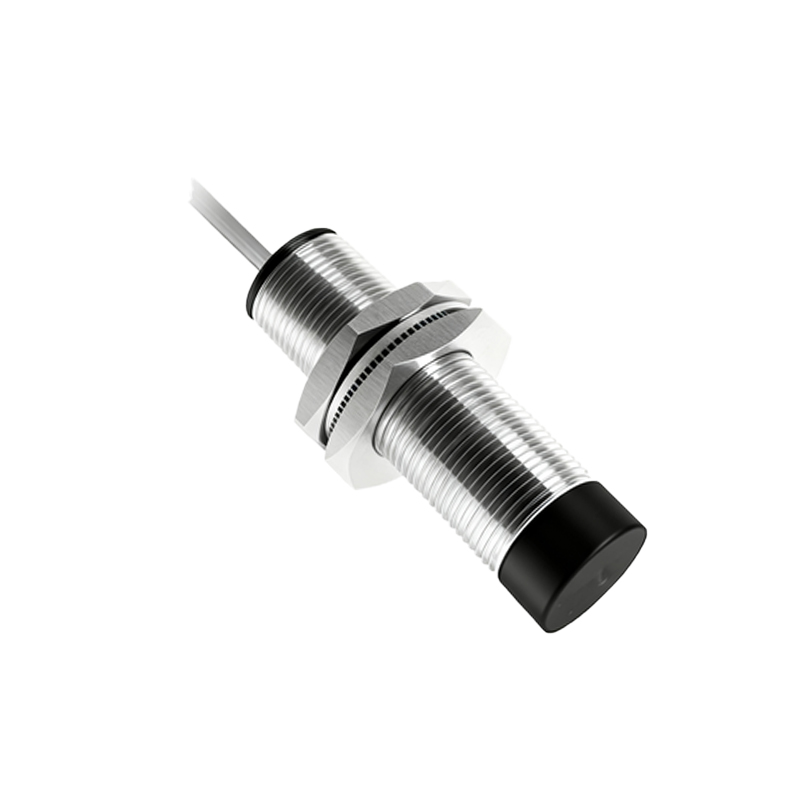
Third, there are regional or local contract manufacturers (CMs). These facilities offer agility and proximity to key markets. They may not fabricate custom ICs but are highly proficient in PCB assembly (through SMT lines), final assembly, testing, and packaging. They source specialized components like oscillator chips or ferrite cores from trusted suppliers. For OEMs looking to mitigate supply chain risks, reduce lead times, or comply with local content regulations, these factories present a viable option. Their success hinges on robust supplier management and a lean, responsive operational model.
Beyond these, the rise of "smart factory" specialists is notable. These manufacturers integrate connectivity and intelligence into sensor production. They are equipped to produce sensors embedded with IO-Link, PROFINET, or EtherNet/IP interfaces right on the assembly line. Their processes include firmware flashing, network parameter configuration, and advanced functional testing that validates digital communication protocols alongside traditional sensing performance.
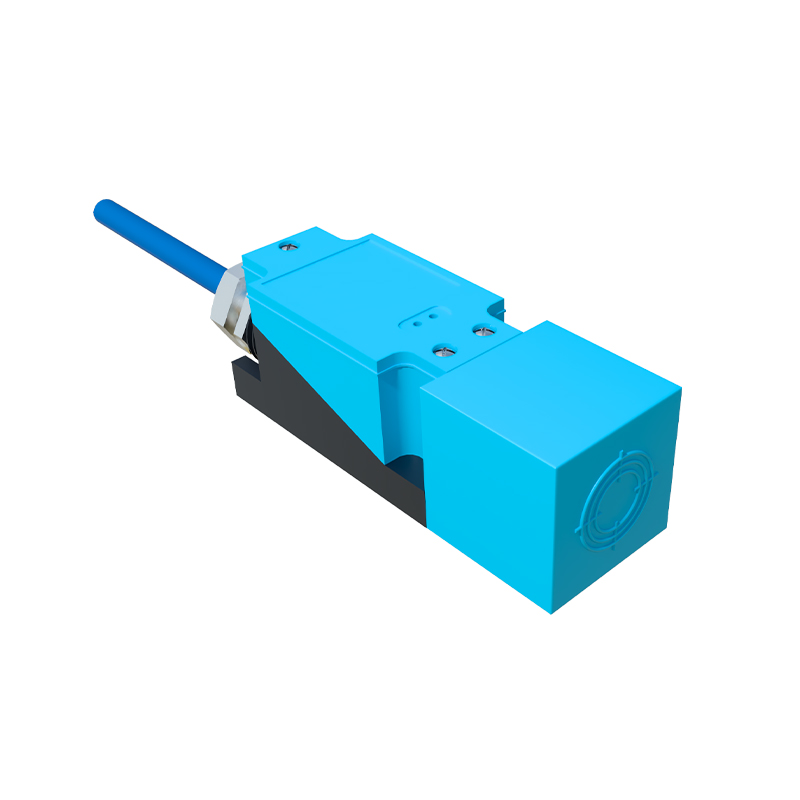
When evaluating a proximity sensor OEM factory, several technical and commercial factors demand scrutiny. Technical Capabilities: Assess their design for manufacturability (DFM) input, prototype turnaround time, and testing protocols. Do they perform temperature cycling tests, EMI/EMC compliance testing, and long-term reliability checks? Inquire about their calibration standards and traceability. Quality Systems: Certifications like ISO 9001, IATF 16949 (for automotive), and ISO 13485 (for medical) are baseline indicators. Audit their incoming quality control (IQC), in-process control (IPC), and final audit procedures. Supply Chain Resilience: Evaluate their component sourcing strategy, inventory management for critical parts, and business continuity plans. The recent semiconductor shortages highlighted the importance of this aspect. Scalability and Flexibility: Can the factory seamlessly scale production from thousands to millions of units? Do they have dedicated lines for custom projects? Cost Structure: Understand the total cost of engagement, including tooling (molds, fixtures), minimum order quantities (MOQs), and payment terms. Transparent communication on value engineering opportunities is crucial.
The choice of factory also depends on the sensor type. An inductive sensor factory must excel in metal machining for housings and precision coil manufacturing. A capacitive sensor partner needs expertise in electrode design and shielding against false triggers. Photoelectric sensor manufacturers require cleanrooms for optical component assembly and precise calibration equipment.
In conclusion, the landscape of proximity sensor OEM manufacturing is multifaceted. There is no universal "best" factory; the optimal choice is intrinsically linked to the OEM's specific technical requirements, volume needs, and strategic goals. A thorough due diligence process, often involving site audits and sample validation, is indispensable. Building a partnership with a competent manufacturer goes beyond a transactional relationship; it fosters co-innovation, ensuring the delivery of robust, reliable, and cutting-edge proximity sensing solutions to the global industrial market.
SEO关键词