The S1143 infrared proximity sensor represents a significant advancement in non-contact detection technology, widely adopted across industrial automation, consumer electronics, and robotics. This sensor operates on the principle of infrared light reflection, emitting an IR beam and measuring the intensity of the reflected signal to determine object presence or distance. Its compact design, typically housed in a surface-mount package, allows for seamless integration into space-constrained applications.
One of the standout features of the S1143 is its modulated IR emission, which minimizes interference from ambient light sources such as sunlight or artificial lighting. This modulation involves pulsing the IR LED at a specific frequency, with the receiver tuned to detect only signals at that same frequency. As a result, the sensor maintains high reliability even in challenging environmental conditions. The typical detection range varies between 2 cm to 30 cm, depending on the object's reflectivity and the sensor's configuration. Engineers often adjust the emitter current or use external lenses to fine-tune this range for specific use cases.
In terms of electrical characteristics, the S1143 operates at low voltage, commonly 3.3V or 5V DC, making it compatible with most microcontroller platforms like Arduino, Raspberry Pi, or industrial PLCs. The output is usually analog or digital, providing flexibility in system design. Analog outputs deliver a voltage proportional to the reflected IR intensity, enabling precise distance measurements. Digital outputs, on the other hand, offer a simple high/low signal for object detection, simplifying interface logic.
Applications of the S1143 are diverse. In industrial settings, it is used for object counting on conveyor belts, jam detection in machinery, or position sensing in automated assembly lines. The sensor's fast response time, often in the millisecond range, ensures minimal latency in high-speed processes. In consumer electronics, it enables features like automatic screen dimming in smartphones when held close to the ear during calls, or touchless gesture control in home appliances. Robotics leverages the S1143 for obstacle avoidance, allowing autonomous vehicles or robotic arms to navigate safely without physical contact.
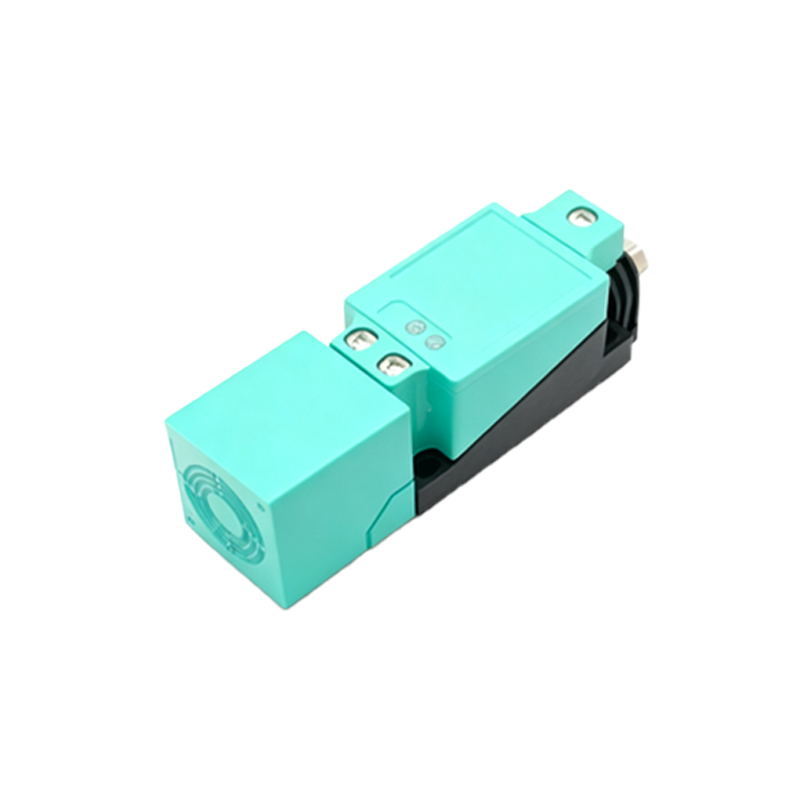
When integrating the S1143, several design considerations are crucial. First, the sensor's performance can be affected by the color and texture of target objects—dark or matte surfaces absorb more IR light, reducing the effective range. Calibration during installation is recommended to account for these variations. Second, environmental factors like dust, moisture, or temperature extremes may require protective housings or conformal coatings. The sensor's datasheet typically specifies an operating temperature range of -25°C to 85°C, ensuring robustness in most scenarios.
Compared to ultrasonic or capacitive sensors, the S1143 offers advantages in cost-effectiveness and power efficiency. However, it may struggle with transparent or highly reflective materials, which can scatter or pass IR light. In such cases, complementary sensing technologies might be necessary. Future trends point toward enhanced integration, with newer versions incorporating I2C or SPI interfaces for direct digital communication, reducing external component count.
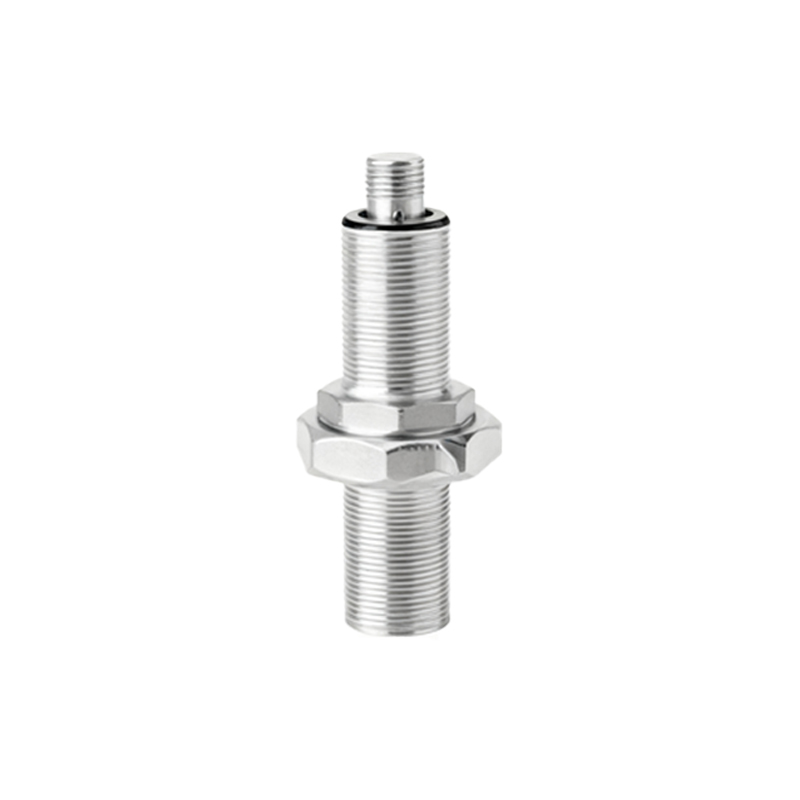
For optimal performance, follow best practices: ensure stable power supply to avoid signal noise, use shielded cables in electrically noisy environments, and periodically clean the sensor lens to prevent dust accumulation. Testing under real-world conditions before full deployment is always advised to validate detection consistency.
In summary, the S1143 infrared proximity sensor is a versatile component that balances sensitivity, durability, and ease of use. Its continued evolution supports the growing demand for smart, automated systems across industries. By understanding its operational nuances and application limits, engineers can harness its full potential to innovate and optimize their designs.