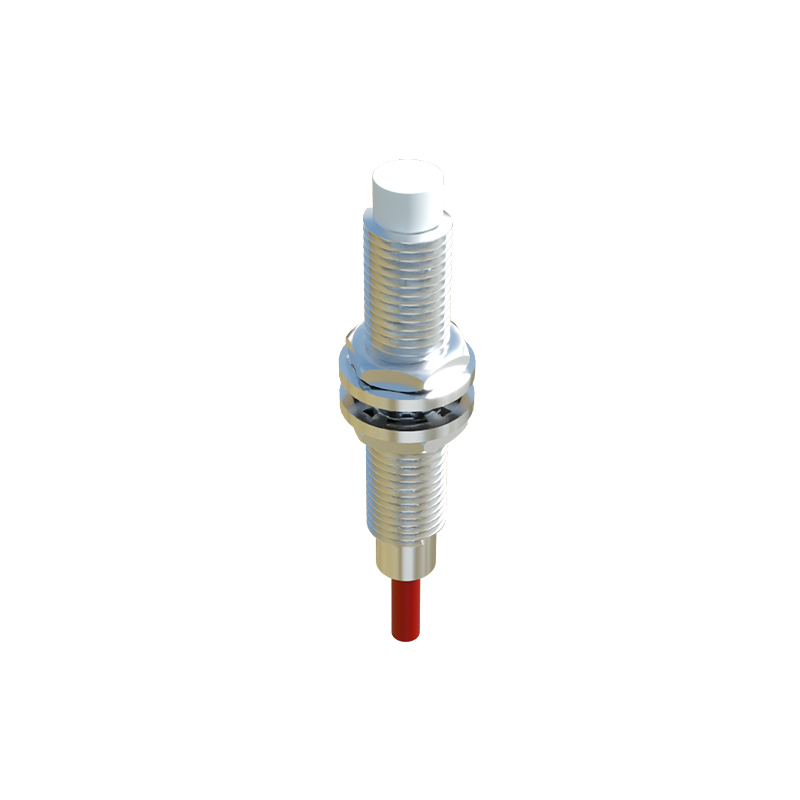
Proximity sensors are indispensable components in modern industrial automation and consumer electronics, designed to detect the presence or absence of an object within a specific range without physical contact. These sensors operate on various principles, with inductive, capacitive, and photoelectric types being the most prevalent. Inductive proximity sensors are highly effective for detecting metallic objects. They generate an electromagnetic field and sense changes caused by a metal target entering this field. This makes them ideal for harsh industrial environments involving machinery, robotics, and automotive assembly lines, where reliability and resistance to contaminants like dust or oil are paramount. Their typical sensing ranges vary from a few millimeters to several centimeters.
Capacitive proximity sensors, on the other hand, can detect both metallic and non-metallic materials, including liquids, plastics, and glass. They function by measuring changes in capacitance between the sensor and the target object. This versatility finds applications in level detection for tanks, material handling, and touch-sensitive interfaces in consumer devices. Photoelectric proximity sensors utilize a light beam, often infrared, to detect objects. They are categorized into through-beam, retro-reflective, and diffuse-reflective types, each suited for different distance and environmental conditions. These sensors excel in long-range detection, packaging automation, and safety systems where precise non-contact sensing is required. The selection of an appropriate proximity sensor hinges on several critical factors. The nature of the target material is primary; inductive sensors are exclusive to metals, while capacitive and photoelectric sensors offer broader material compatibility. Environmental conditions such as temperature extremes, humidity, and the presence of contaminants like dust or chemicals dictate the required ingress protection (IP) rating and housing material. The required sensing distance and response speed are also vital for ensuring system efficiency and safety. Furthermore, output configuration—whether NPN, PNP, analog, or IO-Link—must be compatible with the control system. In practical applications, proximity sensors enhance efficiency, safety, and automation. In manufacturing, they enable precise positioning, counting, and jam detection on conveyor belts.
In automotive systems, they contribute to parking assistance and collision avoidance. Within consumer electronics, they facilitate features like automatic screen turn-off during phone calls. Proper installation is crucial for optimal performance. Factors such as sensor mounting, alignment, and ensuring minimal interference from adjacent metal objects or electrical noise must be carefully considered. Regular maintenance, including cleaning the sensing face and checking for physical damage, ensures long-term reliability and accuracy. As Industry 4.0 and the Internet of Things (IoT) advance, smart proximity sensors with integrated diagnostics and communication capabilities are becoming standard. These sensors provide valuable data for predictive maintenance and process optimization, driving further efficiencies in automated systems. Understanding the operational principles, key specifications, and application requirements is essential for selecting the right proximity sensor, ultimately contributing to smarter, safer, and more productive operations across diverse industries.