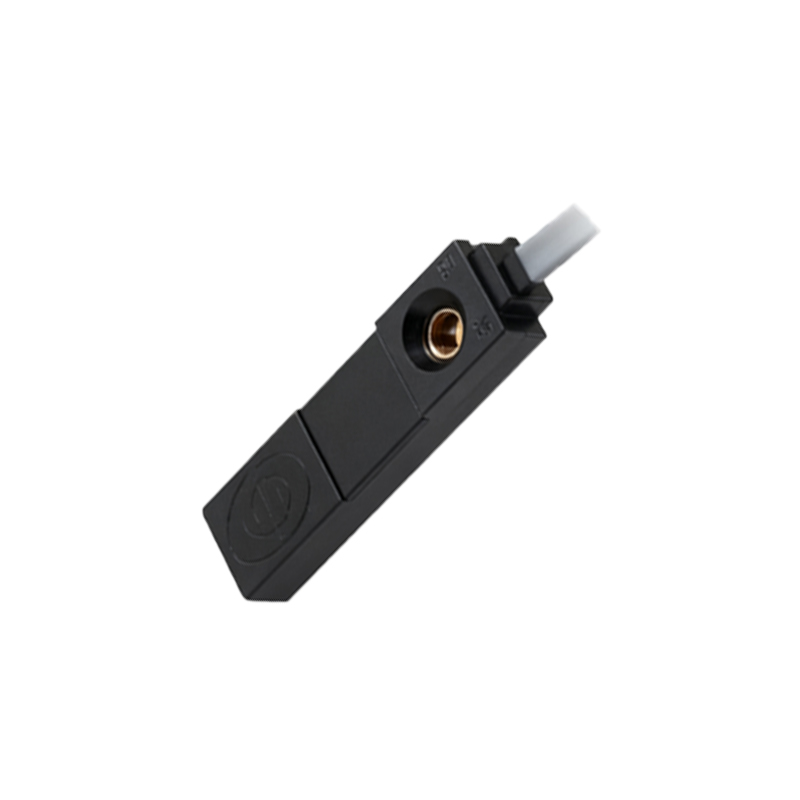
In the intricate landscape of industrial automation, proximity sensors serve as the fundamental sensory organs, detecting the presence or absence of objects without physical contact. Their reliability is paramount, as a single undetected failure can cascade into costly production downtime, equipment damage, or compromised product quality. This is where the self-diagnosis function, an advanced feature increasingly embedded in modern inductive, capacitive, and photoelectric sensors, becomes a cornerstone of predictive maintenance and operational integrity.
The core principle of self-diagnosis is the sensor's ability to continuously monitor its own health and operational parameters. Unlike traditional sensors that simply output a switching signal, intelligent sensors with self-diagnosis perform internal checks and communicate status beyond a simple ON/OFF state. This is typically achieved through integrated microprocessors and sophisticated monitoring circuits that evaluate key performance indicators in real-time.
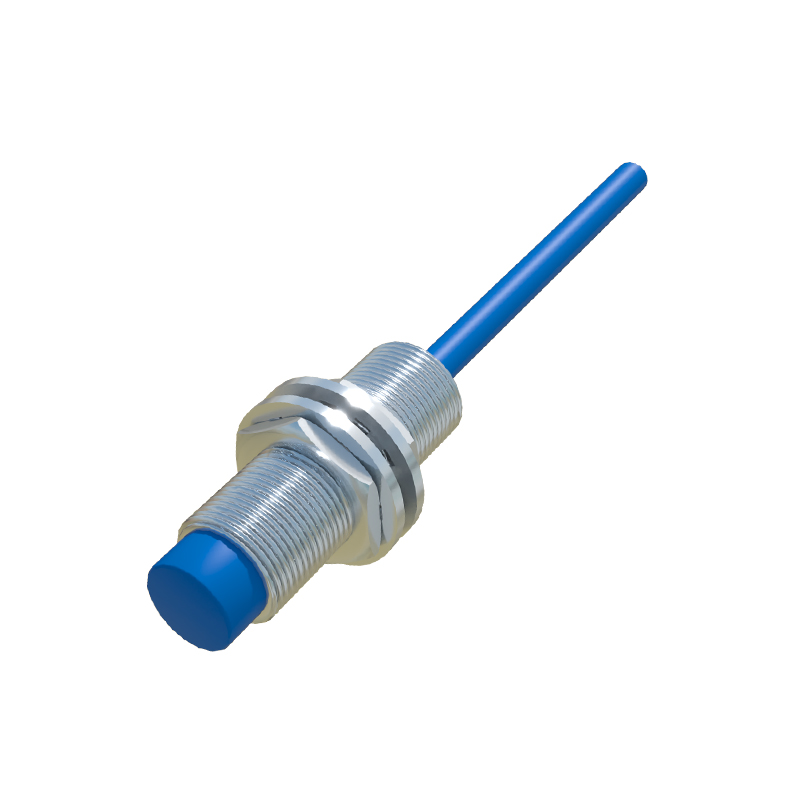
Common diagnostic parameters include monitoring the oscillator amplitude in inductive sensors, which can indicate degradation of the sensing face or coil. For photoelectric sensors, the device continuously assesses the received light intensity. A gradual decline can signal lens contamination, misalignment, or LED aging, allowing for intervention before a complete failure occurs. Capacitive sensors monitor changes in dielectric constants and oscillation levels to detect abnormal conditions. Furthermore, advanced diagnostics can check for short circuits, wire breaks in the cabling, overload conditions, and excessive temperature fluctuations that exceed the sensor's specified operating range.
The implementation of self-diagnosis is closely tied to the choice of output technology. Sensors with IO-Link, a point-to-point serial communication protocol, are at the forefront of this capability. IO-Link transforms a standard digital sensor into an intelligent device capable of bidirectional data exchange. Through the IO-Link interface, the sensor not only transmits its switching state but also a wealth of process and diagnostic data to the master (e.g., a PLC). This data can include operating hours, internal temperature, supply voltage stability, and specific diagnostic flags like "contamination warning" or "sensor overload." This granular data enables precise condition monitoring.
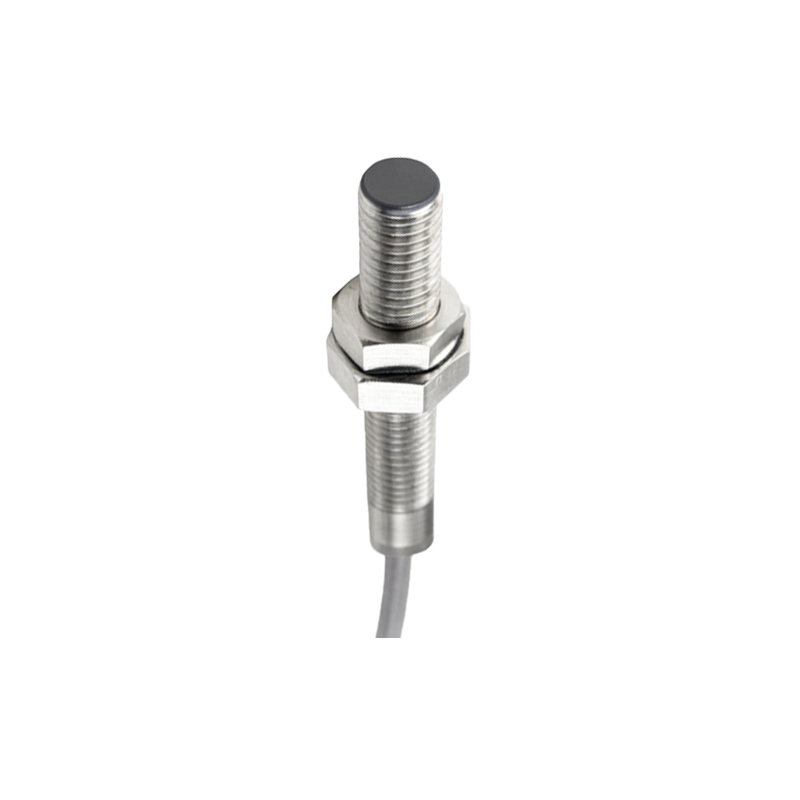
For sensors without IO-Link, self-diagnosis is often signaled through dedicated diagnostic outputs or by manipulating the standard switching signal. A common method is the use of a "pulsing" or "flashing" output. When a fault is detected, the sensor may enter a defined error state, causing its output to switch at a specific frequency. This visual or electrical signal can be detected by the control system to indicate a need for maintenance. Another method involves sensors with complementary NPN and PNP outputs or those with a separate diagnostic wire that changes state upon an internal fault.
The benefits of integrating sensors with robust self-diagnosis are substantial. Primarily, it enables a shift from reactive to predictive maintenance. Technicians are alerted to potential issues—such as a slowly contaminating lens or a weakening oscillator—before they cause a machine stop. This allows for scheduled, planned maintenance during non-production hours, dramatically reducing unplanned downtime. Secondly, it simplifies troubleshooting. Instead of time-consuming manual checks with multimeters or oscilloscopes, the system pinpoints the faulty sensor and often the nature of the problem, accelerating mean-time-to-repair (MTTR). Finally, it enhances system safety and quality assurance by ensuring the sensor is functioning within its optimal parameters, providing confidence in the automation process.
In conclusion, the self-diagnosis function is no longer a luxury but a necessity in high-stakes industrial environments. It represents a critical evolution from a simple switch to an intelligent, communicating component of the Industrial Internet of Things (IIoT). By providing continuous health status and early fault warnings, self-diagnosing proximity sensors are fundamental to building resilient, efficient, and intelligent automated systems that maximize productivity and minimize operational risk. Engineers and system integrators should prioritize this feature when selecting sensors for new installations or upgrades to harness the full potential of data-driven industrial maintenance.