Laser sensors are critical components in modern industrial automation, offering high precision for measurement, detection, and alignment tasks. To ensure their longevity and consistent accuracy, a structured maintenance regimen is essential. Unlike general-purpose electronic devices, laser sensors operate in demanding environments—exposed to dust, vibration, temperature fluctuations, and potential physical interference. Neglecting their upkeep can lead to drift in measurements, premature failure, and costly production downtime. This guide outlines practical, field-tested maintenance methods tailored for engineers and technicians responsible for these sophisticated instruments.
The cornerstone of laser sensor maintenance is a regular and thorough cleaning protocol. The optical components—specifically the transmitter lens and the receiver lens—are most vulnerable to contamination. Dust, oil mist, or particulate accumulation on these surfaces can scatter or attenuate the laser beam, causing erroneous readings. Cleaning should be performed with great care. First, use a gentle, dry, oil-free compressed air stream to dislodge loose debris. For persistent contaminants, apply a minimal amount of isopropyl alcohol (99% purity or higher) to a lint-free optical wipe or swab. Wipe the lens surface gently in a single direction, avoiding circular motions that might grind particles into the coating. Never use abrasive materials, standard cloths, or aggressive solvents. The sensor housing should also be wiped clean to prevent external grime from migrating to seals and apertures.

Environmental protection is equally crucial. While many industrial laser sensors boast robust IP (Ingress Protection) ratings, their long-term health depends on correct installation and supplementary safeguards. Ensure the sensor is mounted securely to minimize vibration, which can loosen internal connections and optical alignments. In environments with excessive airborne contaminants, consider installing a protective, cleanable barrier—such as a transparent polycarbonate shield—in front of the sensor. This shield takes the brunt of the contamination and can be cleaned or replaced frequently without touching the sensor itself. Additionally, verify that the operating ambient temperature and humidity remain within the manufacturer's specified range. Prolonged exposure to excessive heat can degrade electronic components and laser diodes, while condensation from high humidity can short-circuit internal boards.
Electrical and performance checks form the diagnostic pillar of maintenance. Periodically inspect all cable connections, connectors, and conduits for signs of wear, corrosion, or physical damage. A loose connection is a common source of intermittent faults. Monitor the sensor's output signals against a known reference or master part to detect any calibration drift. Most modern laser sensors have built-in diagnostic indicators (like LED status lights) or software tools that provide health metrics and error codes. Consult the user manual to interpret these signals. It is advisable to log key performance parameters, such as response time and signal stability, during routine checks. This historical data helps in identifying gradual degradation before it leads to a critical failure.
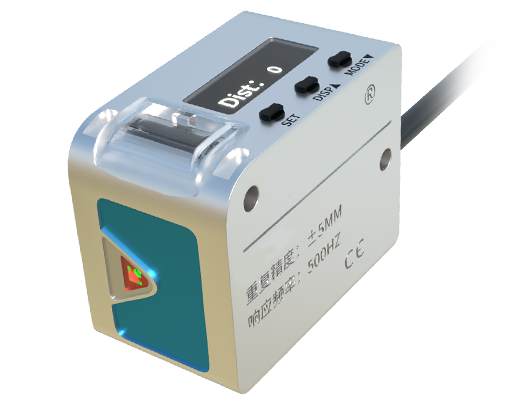
Finally, adhere to a scheduled calibration and professional servicing plan. Calibration frequency depends on the application's criticality and the operational environment—a high-precision assembly robot may require quarterly checks, while a basic presence detector might need only an annual review. Use certified calibration targets and follow the manufacturer's procedure precisely. For complex issues beyond basic cleaning and calibration, or if internal components are suspected to be failing, engage with the sensor manufacturer or an authorized service provider. Attempting to disassemble the sensor housing often voids warranties and can irreparably damage the sensitive optical alignment calibrated at the factory.
In summary, proactive and disciplined maintenance of laser sensors is not an optional task but a fundamental aspect of reliable industrial operation. By integrating regular cleaning, environmental control, electrical verification, and professional calibration into your plant's preventative maintenance schedule, you maximize sensor lifespan, protect your capital investment, and ensure the uninterrupted flow of your automated processes.