In the realm of industrial automation and control systems, proximity sensors stand as fundamental components for non-contact object detection. Among the diverse range of models available, the SN04-N series has established itself as a reliable and widely adopted solution. This article delves into the technical specifications, operational principles, typical applications, and key considerations for integrating the SN04-N inductive proximity switch.
The SN04-N is a cylindrical, inductive-type proximity sensor. Its core operating principle is based on electromagnetic induction. The sensor generates a high-frequency oscillating electromagnetic field from its sensing face. When a metallic object enters this field, eddy currents are induced on the object's surface. This causes a change in the oscillation amplitude within the sensor's internal LC oscillator circuit. The sensor's detection circuit monitors this change and triggers a switching action in its solid-state output. It's crucial to note that the SN04-N is designed specifically for detecting ferrous and non-ferrous metals; it is not suitable for non-metallic materials like plastic, wood, or glass.
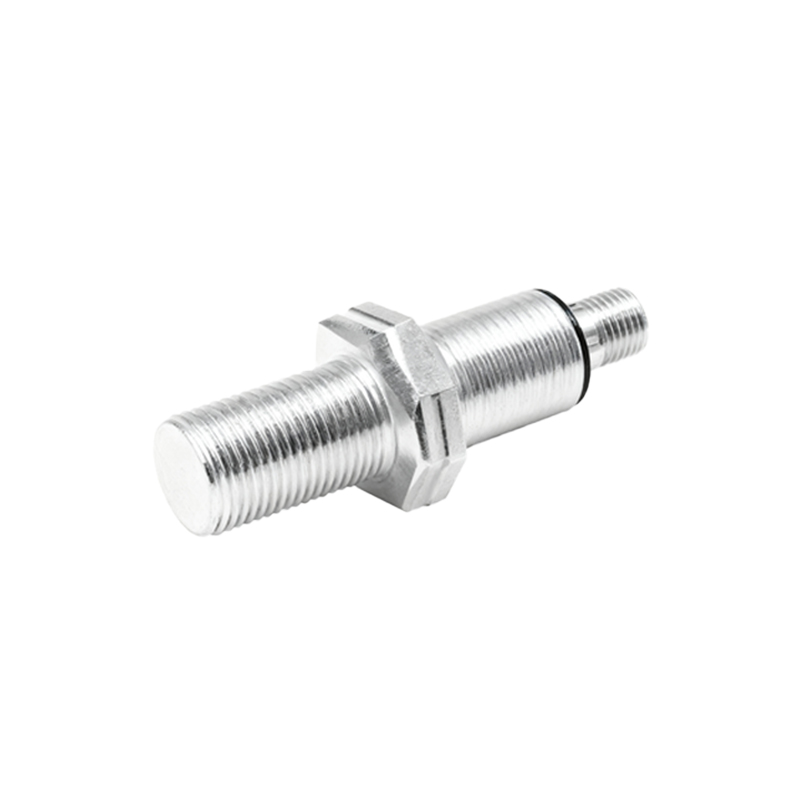
Key technical specifications define the SN04-N's performance envelope. Typically, it offers a nominal sensing distance (Sn) of 4mm. Engineers must account for operational factors, applying a reduction coefficient (often 0.8) to this nominal value for reliable real-world design, resulting in an effective sensing range of approximately 3.2mm. The sensor commonly operates on a DC supply voltage, with 6-36V DC being a standard range, making it compatible with most industrial control voltages like 12V or 24V DC. The output configuration is typically a 3-wire setup with an NPN transistor output (sinking output), which is a common standard. The output current rating is usually around 200mA, sufficient to drive relays, PLC inputs, or small solenoids directly. Its housing is often rated IP67, indicating a high degree of protection against dust ingress and temporary immersion in water, suitable for harsh industrial environments.
Installation and wiring are straightforward but require attention to detail. The standard connection involves three wires: brown for the positive supply voltage (V+), blue for the negative/common (0V), and black for the load output. When wiring, it is imperative to ensure the power supply polarity is correct to prevent damage. For the NPN version, the load (e.g., a PLC input) is connected between the black wire and the positive supply. The sensor should be mounted securely, ensuring the target object approaches the sensing face axially. Maintaining a clearance from surrounding metal (a non-metallic mounting nut is often provided) is essential to prevent false triggering due to side-metal interference.
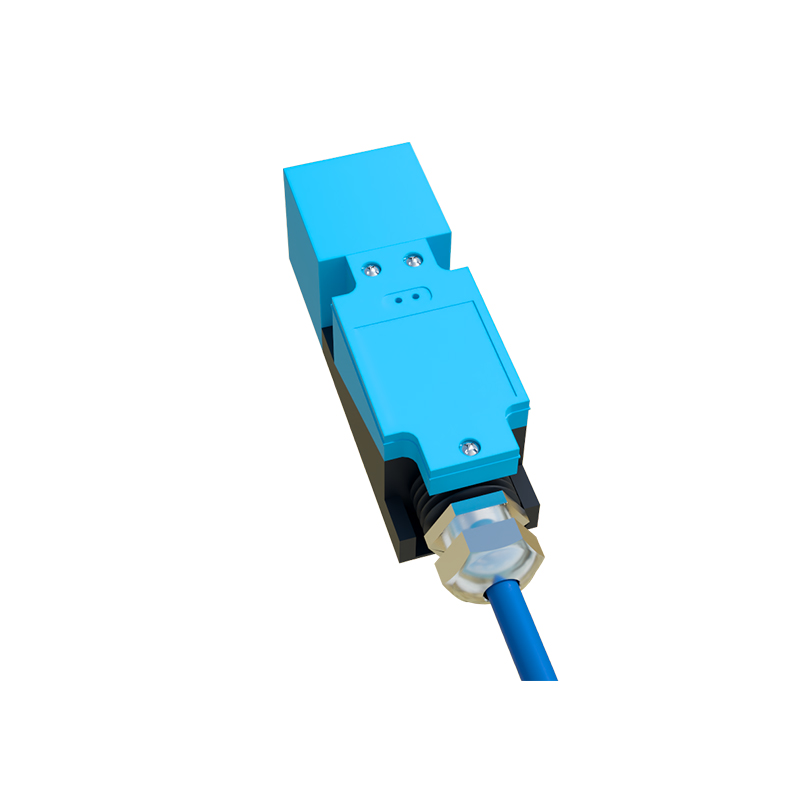
The applications for the SN04-N are extensive across factory automation. Common use cases include position sensing on conveyor lines to detect the presence of metal parts, end-of-travel detection on pneumatic or hydraulic cylinders with metallic actuator flags, rotary speed monitoring by detecting gear teeth or keyways, and part counting in assembly and packaging machinery. Its robustness makes it ideal for environments with oil, coolant, and vibration.
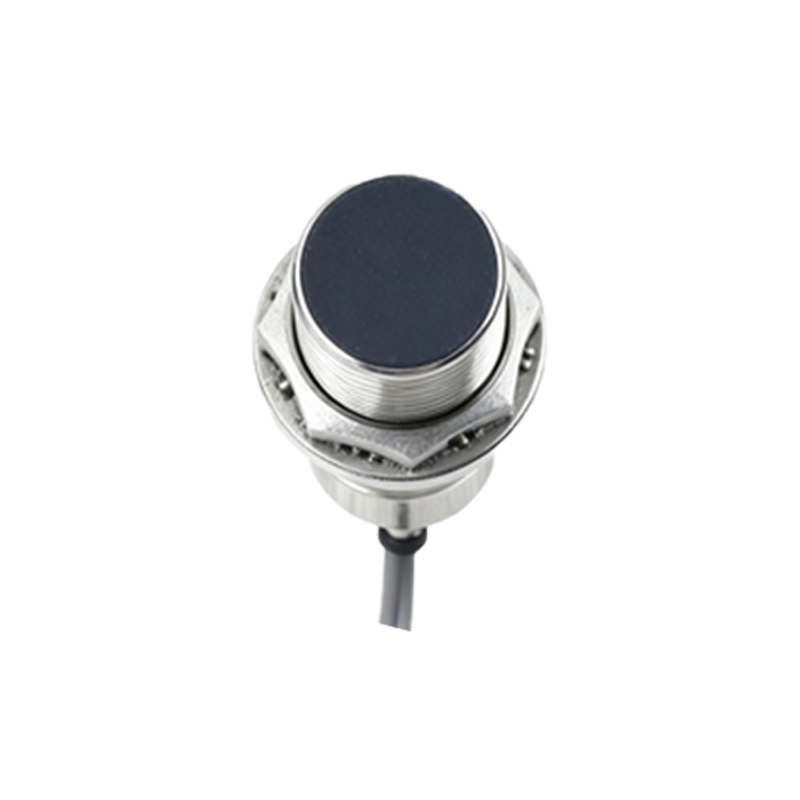
When selecting and applying the SN04-N, several critical factors must be evaluated. First, the target material must be metallic. Second, the target size must be equal to or greater than the sensor's sensing face diameter to achieve the rated sensing distance. Engineers should also consider the temperature range of the operating environment, as extreme temperatures can affect performance. Electrical compatibility with the controller (PLC, microcontroller) is paramount; confirming that the NPN sinking output matches the input card requirements is a necessary step. Finally, in electrically noisy environments, using shielded cable and proper grounding practices is recommended to ensure stable operation.
In summary, the SN04-N proximity sensor represents a workhorse component in electrical control panels and automated machinery. Its simplicity, durability, and consistent performance in detecting metallic objects make it a go-to choice for countless motion control and presence detection tasks. A thorough understanding of its specifications, correct installation, and mindful application considerations are the hallmarks of effective engineering practice, ensuring system reliability and longevity.