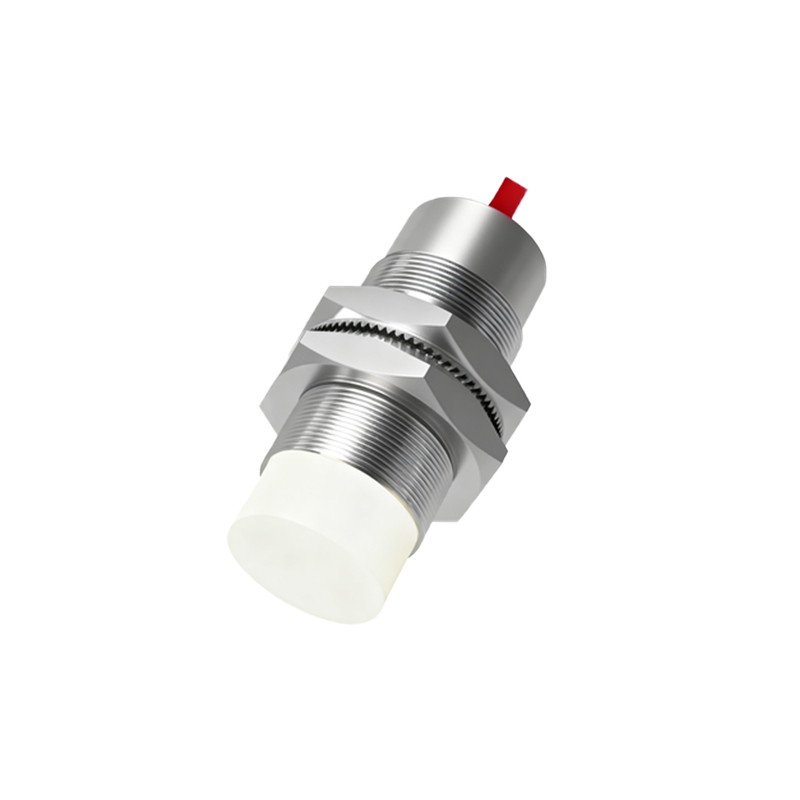
In the realm of industrial automation and control systems, proximity switch sensors are indispensable components for non-contact detection. Among the diverse range of sizes available, the 12mm proximity sensor stands out as a particularly versatile and widely adopted solution. This article delves into the technical specifications, operational principles, selection criteria, and typical applications of 12mm proximity switches, providing a thorough resource for engineers and technicians.
Proximity sensors, in essence, detect the presence or absence of an object without physical contact. The 12mm designation typically refers to the sensor's barrel diameter, a compact form factor that allows for installation in space-constrained environments. These sensors operate primarily on two principles: inductive and capacitive sensing. Inductive proximity sensors are the most common type for metallic object detection. They generate an electromagnetic field from a coil in the sensing face. When a ferrous or non-ferrous metal target enters this field, it causes a change in the oscillation amplitude, which the sensor's circuitry detects, triggering a solid-state output switch. The sensing range for a standard 12mm inductive sensor is typically up to 4mm, though this can vary based on the target material and specific model. Capacitive 12mm sensors, on the other hand, can detect both metallic and non-metallic materials (liquids, plastics, wood) by measuring changes in capacitance caused by the target object disturbing the electrostatic field.
The construction of a 12mm proximity switch is engineered for industrial durability. The housing is usually made of nickel-plated brass, stainless steel, or PBT plastic, offering high resistance to corrosion, oils, and coolants. Most models feature IP67 or higher ingress protection ratings, making them suitable for washdown environments and harsh conditions. The output configuration is a critical specification. Common outputs include NPN (sinking) and PNP (sourcing) transistor outputs, which interface seamlessly with programmable logic controllers (PLCs), relays, and other control devices. Some models also offer analog (4-20mA or 0-10V) or IO-Link outputs for continuous distance measurement and advanced diagnostics.
Selecting the appropriate 12mm proximity sensor requires careful consideration of several parameters. First, identify the target material. For metals, an inductive sensor is the default choice. For non-metals, a capacitive sensor is necessary. The required sensing distance must be less than the sensor's rated nominal range, with a safety factor applied to account for temperature variations and target alignment. The electrical characteristics are paramount: ensure the operating voltage (commonly 10-30V DC) matches your supply, and the output current rating is sufficient for the load. Environmental factors such as ambient temperature, presence of welding fields, or strong electromagnetic interference can influence the choice of a shielded or unshielded model. Shielded (flush-mountable) sensors can be installed in metal without affecting their sensing field, whereas unshielded (non-flush) types offer a longer sensing range but require non-metallic surroundings.
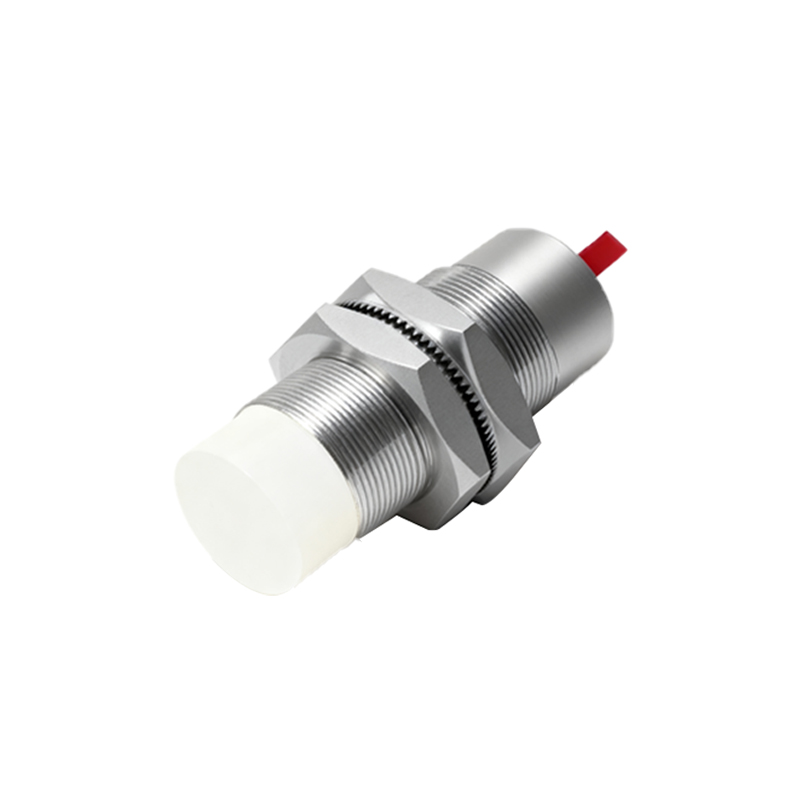
Applications for 12mm proximity sensors are vast across manufacturing, packaging, material handling, and automotive industries. They are frequently used for end-of-stroke detection on pneumatic cylinders, part presence verification on conveyor lines, counting objects, monitoring rotational speed, and ensuring correct positioning in assembly jigs. Their small size makes them ideal for integration into robotic grippers, compact machinery, and electronic enclosures.
Installation and wiring practices significantly impact sensor performance and longevity. Always follow the manufacturer's guidelines for mounting, ensuring proper clearance around the sensing face. Use conduit or cable carriers to protect the connecting cable from abrasion and stress. For DC sensors, correct polarity must be observed. Regular maintenance, though minimal, involves keeping the sensing face clean from debris, metal chips, or buildup that could cause false triggering or reduced range.
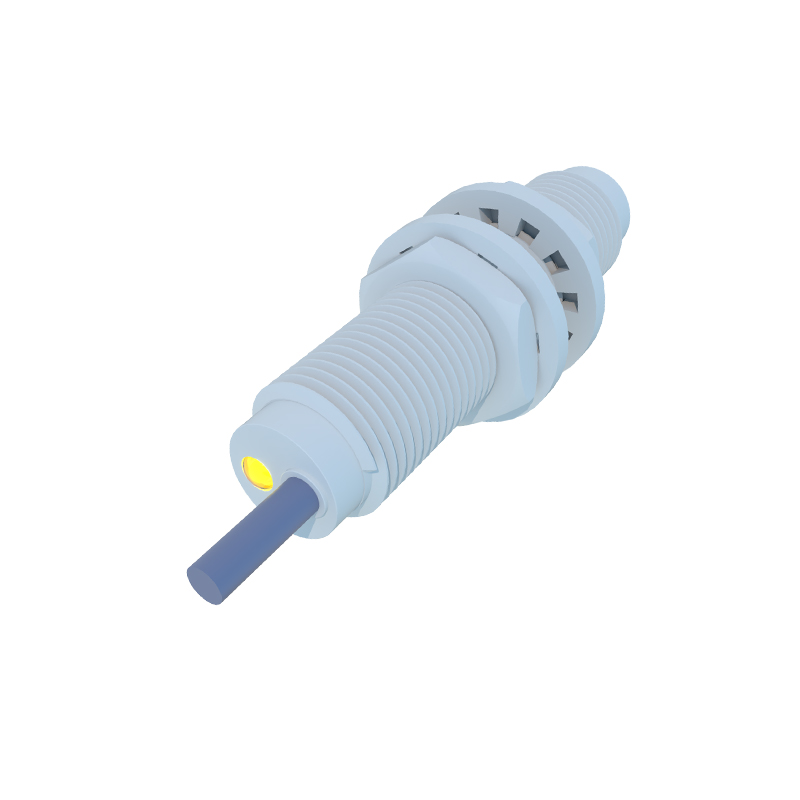
In conclusion, the 12mm proximity switch sensor is a robust, reliable, and flexible workhorse in industrial sensing. Its compact diameter belies its powerful capability to enhance machine safety, automate processes, and provide critical feedback for control systems. By understanding its technology and carefully matching it to the application requirements, engineers can ensure optimal performance and longevity in their automated systems.