In the realm of industrial automation, precision measurement and reliable detection are paramount. Among the advanced sensing technologies available, laser V sensors have emerged as a critical tool for enhancing operational efficiency and accuracy. This article delves into the principles, applications, and benefits of laser V sensors, tailored for electrical engineers and automation professionals.
Laser V sensors, often referred to as laser displacement sensors or laser triangulation sensors, operate on the fundamental principle of optical triangulation. A laser diode emits a focused beam of light onto a target surface. The reflected light is then captured by a receiving lens and projected onto a position-sensitive detector, such as a CCD or CMOS array. By analyzing the position of the reflected spot on the detector, the sensor calculates the distance to the target with high precision. The "V" in the name typically denotes the sensor's ability to measure in a specific configuration or its visual alignment features, though terminology can vary by manufacturer.
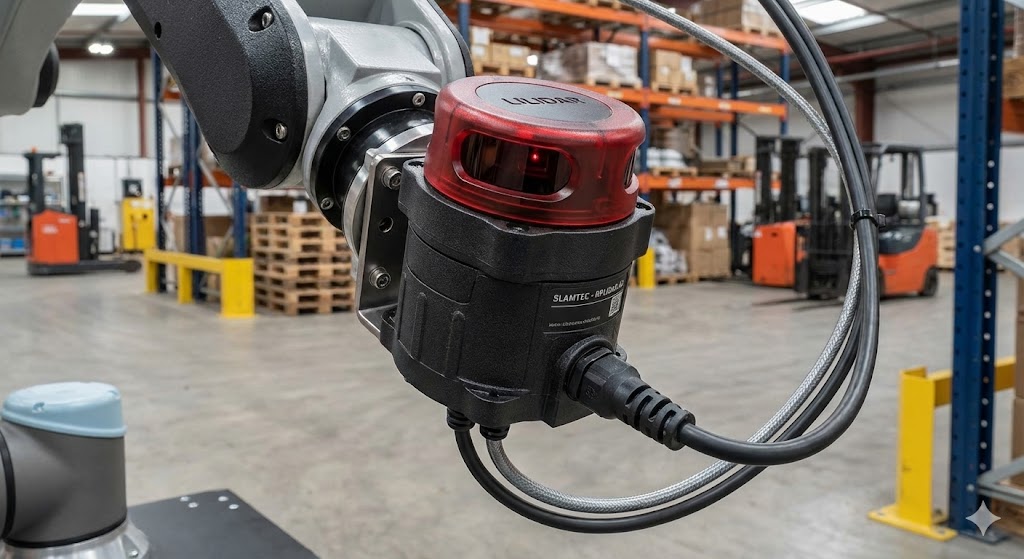
The core advantages of laser V sensors lie in their non-contact nature, high resolution, and fast response times. Unlike mechanical probes or capacitive sensors, they do not physically touch the target, eliminating wear and contamination risks. This makes them ideal for delicate or moving objects. Resolution can reach sub-micron levels, enabling detection of minute variations in position, thickness, or vibration. Response times are often in the microsecond range, suitable for high-speed production lines. Additionally, many models offer programmable logic outputs and analog interfaces, facilitating seamless integration with PLCs and control systems.
Applications of laser V sensors span diverse industries. In automotive manufacturing, they are used for gap and flush measurement between body panels, ensuring quality and fit. In electronics, they inspect component placement on PCBs or measure solder paste thickness. Packaging lines employ them to verify fill levels, detect missing caps, or monitor material tension. In metalworking, they assist in profiling, thickness gauging, and vibration analysis. Their versatility is further enhanced by options for different laser colors (red or blue) to suit various surface materials, as blue lasers perform better on shiny or transparent surfaces by reducing specular reflection issues.
When selecting a laser V sensor, engineers must consider several parameters. Measurement range and standoff distance define the operational envelope. Spot size affects resolution and suitability for small targets. Environmental factors like ambient light, dust, or temperature fluctuations necessitate models with robust housings and filtering algorithms. Communication protocols (e.g., IO-Link, Ethernet/IP) should align with existing network infrastructure. Calibration and alignment are also crucial; many sensors feature built-in indicators or software aids to simplify setup.
Despite their strengths, laser V sensors have limitations. Highly reflective or absorptive surfaces can challenge accuracy, though advanced models incorporate automatic gain control or multi-point averaging to compensate. Cost may be higher compared to simpler photoelectric sensors, but the return on investment through improved quality and reduced downtime often justifies the expense. Future trends include miniaturization, enhanced connectivity for Industry 4.0, and integration with AI for predictive maintenance and adaptive control.
In summary, laser V sensors represent a sophisticated solution for precise non-contact measurement in industrial settings. Their ability to deliver accurate, real-time data supports automation goals, from quality assurance to process optimization. As technology advances, these sensors will continue to evolve, offering even greater capabilities for the smart factories of tomorrow. For engineers, staying informed about their specifications and applications is key to leveraging their full potential in electrical and automation projects.