In the rapidly evolving landscape of industrial automation, proximity sensors have become indispensable components, enabling precise detection and control in manufacturing, robotics, and logistics. However, the traditional approach to deploying these sensors often involves manual configuration, leading to inefficiencies and scalability challenges. Enter proximity sensor batch customization software—a transformative solution designed to streamline the setup, calibration, and management of large-scale sensor networks. This article delves into the core functionalities, benefits, and applications of such software, tailored for electrical engineers and industry professionals.
At its essence, proximity sensor batch customization software is a specialized platform that allows users to configure multiple sensors simultaneously through a centralized interface. Unlike conventional methods that require individual adjustments, this software leverages automation to apply uniform settings across hundreds or even thousands of units. Key features typically include parameter tuning—such as sensitivity, response time, and output modes—along with firmware updates and diagnostic tools. For instance, in automotive assembly lines, engineers can quickly adapt inductive or capacitive sensors to varying part sizes without halting production, ensuring seamless operation and minimal downtime.

The advantages of adopting batch customization software are manifold. Firstly, it significantly reduces deployment time and labor costs. By eliminating repetitive manual tasks, companies can accelerate project timelines and reallocate human resources to more strategic initiatives. Secondly, it enhances consistency and accuracy. Uniform configurations mitigate the risk of human error, leading to reliable sensor performance and improved product quality. Thirdly, the software often includes real-time monitoring capabilities, enabling proactive maintenance. Engineers can track sensor health, detect anomalies, and schedule replacements before failures occur, thus optimizing system uptime.
From a technical perspective, modern batch customization software integrates with Industry 4.0 frameworks, supporting protocols like IO-Link, PROFINET, and EtherNet/IP. This interoperability facilitates seamless communication within smart factories, where sensors contribute to data-driven decision-making. For example, in a food processing plant, customized photoelectric sensors can monitor packaging lines, with software adjustments made remotely to accommodate different container materials. Additionally, cybersecurity features, such as encrypted data transmission and access controls, safeguard sensitive configurations from unauthorized tampering.
In practice, the application of this software spans diverse sectors. In aerospace manufacturing, it ensures precise alignment of components using ultrasonic sensors, while in warehouse automation, it optimizes the positioning of magnetic sensors for conveyor systems. The software’s scalability makes it suitable for both small-scale upgrades and enterprise-wide implementations. As industries embrace digital transformation, the demand for flexible, efficient sensor management tools will only grow, positioning batch customization software as a critical enabler of future innovations.
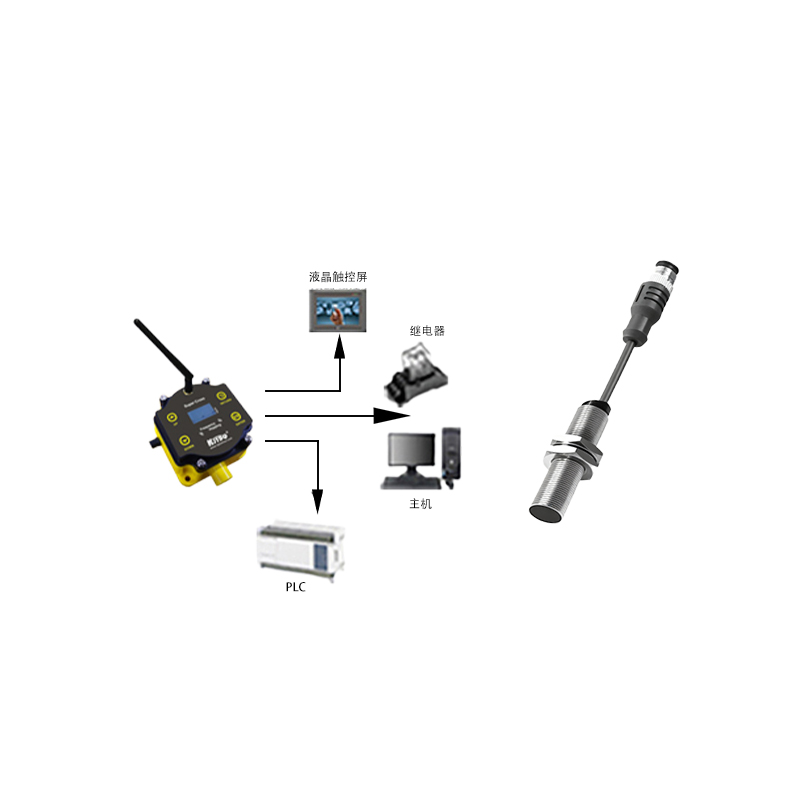
To maximize its potential, engineers should consider factors like compatibility with existing hardware, user-friendly interfaces, and vendor support. Training teams on software utilization can further enhance operational efficiency. Ultimately, proximity sensor batch customization software represents a leap forward in industrial automation, empowering professionals to build smarter, more responsive systems with ease.