Proximity sensors designed for phase detection are critical components in modern electrical and automation systems. Their primary function is to detect the presence or absence of a metallic target without physical contact, often by sensing the phase shift in an oscillating electromagnetic field. The performance and suitability of a phase-sensitive proximity sensor for a specific application are determined by a set of key technical parameters. Understanding these parameters is essential for engineers to ensure reliable operation, system safety, and optimal performance.
One of the most fundamental parameters is the Sensing Distance. This is typically specified as the nominal sensing distance (Sn), which is the theoretical operating distance under standardized conditions (e.g., a standard target). The effective sensing distance can be influenced by factors such as target material, size, shape, and environmental conditions. Engineers must account for a reduction factor when using non-ferrous targets like aluminum or copper. The Repeatability of this sensing distance is equally crucial, defining the sensor's ability to consistently detect a target at the same point under identical conditions, which is vital for precision applications.
The Switching Frequency or response time defines how quickly a sensor can react to a changing target presence. It is measured in Hertz (Hz) or milliseconds and indicates the maximum number of on/off cycles the sensor can perform per second. A high switching frequency is mandatory for high-speed applications, such as counting fast-moving objects on a conveyor or detecting teeth on a rotating gear. Closely related is the Hysteresis, which is the difference between the switch-on point (as the target approaches) and the switch-off point (as the target recedes). Hysteresis prevents chattering or rapid switching when a target is positioned near the sensing point, thereby enhancing operational stability.
Electrical characteristics form another core parameter group. The Operating Voltage Range specifies the DC or AC voltage limits within which the sensor functions correctly. For DC sensors, common ranges are 10-30V DC. The Output Configuration is critical for integration: PNP (sourcing) or NPN (sinking) transistor outputs, along with Normally Open (NO) or Normally Closed (NC) switching logic, must match the control system's input card requirements. The Output Current rating indicates the maximum continuous load the sensor can drive, which must not be exceeded to prevent damage.
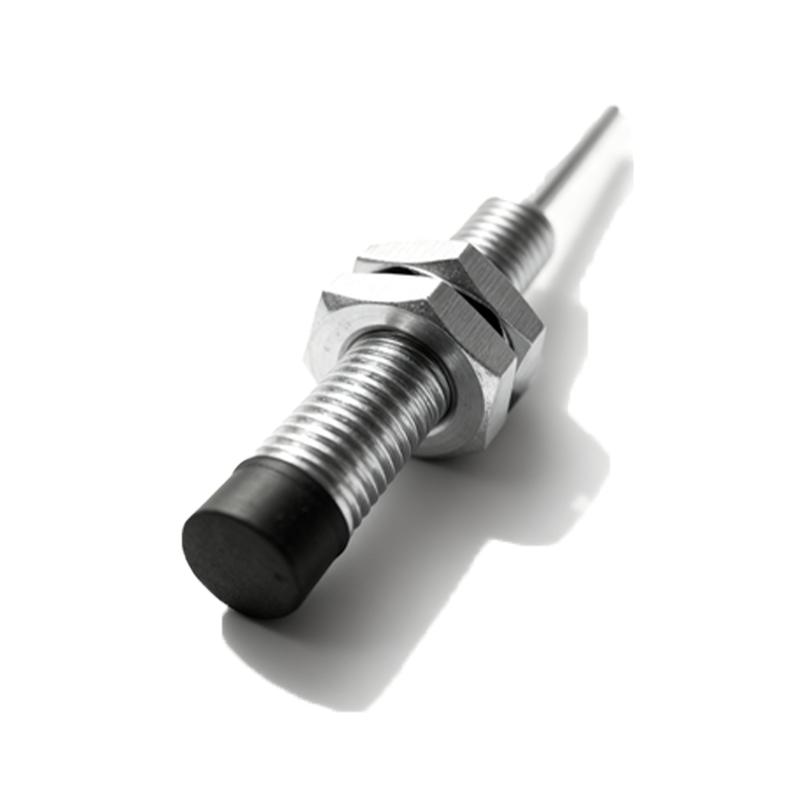
Environmental and construction parameters ensure durability. The Ingress Protection (IP) Rating, such as IP67 or IP69K, defines the level of protection against dust and water ingress, determining suitability for harsh industrial environments. The Temperature Range specifies the ambient operating and storage temperatures the sensor can withstand without performance degradation. Short-Circuit and Overload Protection are built-in safety features that protect the sensor's output stage from accidental wiring faults. For phase-detection sensors specifically, the Frequency Response of the internal oscillator and detection circuit is vital, as it must be tuned to reliably distinguish the phase shift caused by the target material from background noise or other metallic interference.
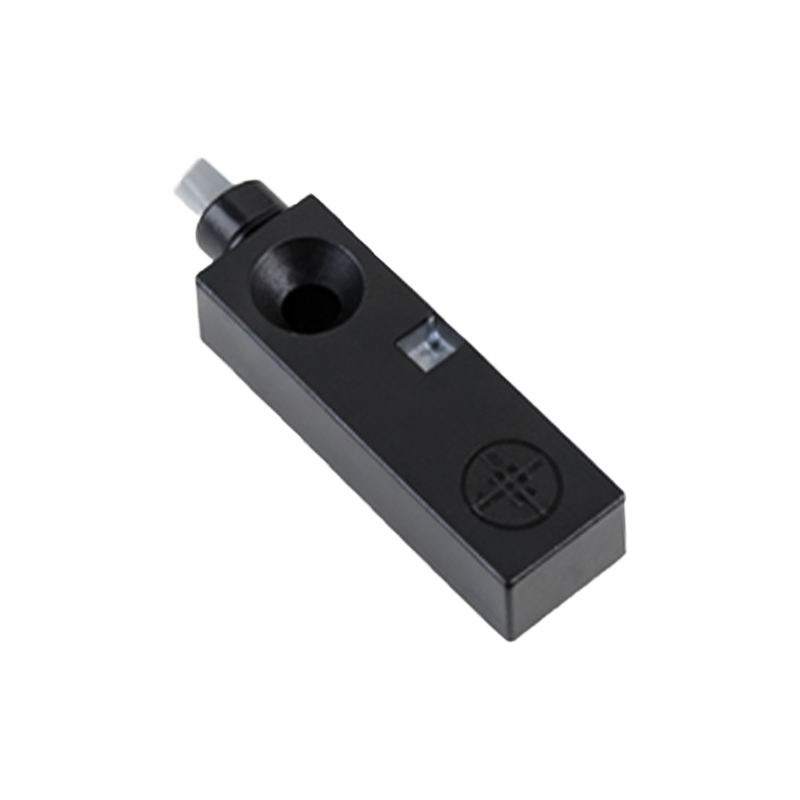
Finally, mechanical parameters like Housing Material (e.g., stainless steel, brass, or PBT plastic), Connection Type (cable or connector), and Size/Form Factor must be considered for physical installation and compatibility with the machine design. Selecting a sensor involves balancing all these parameters against the application's requirements for cost, precision, speed, and environmental resilience. A sensor chosen with careful attention to its specified parameters will deliver long-term, maintenance-free service, forming a reliable link in the control chain of any electrical system.