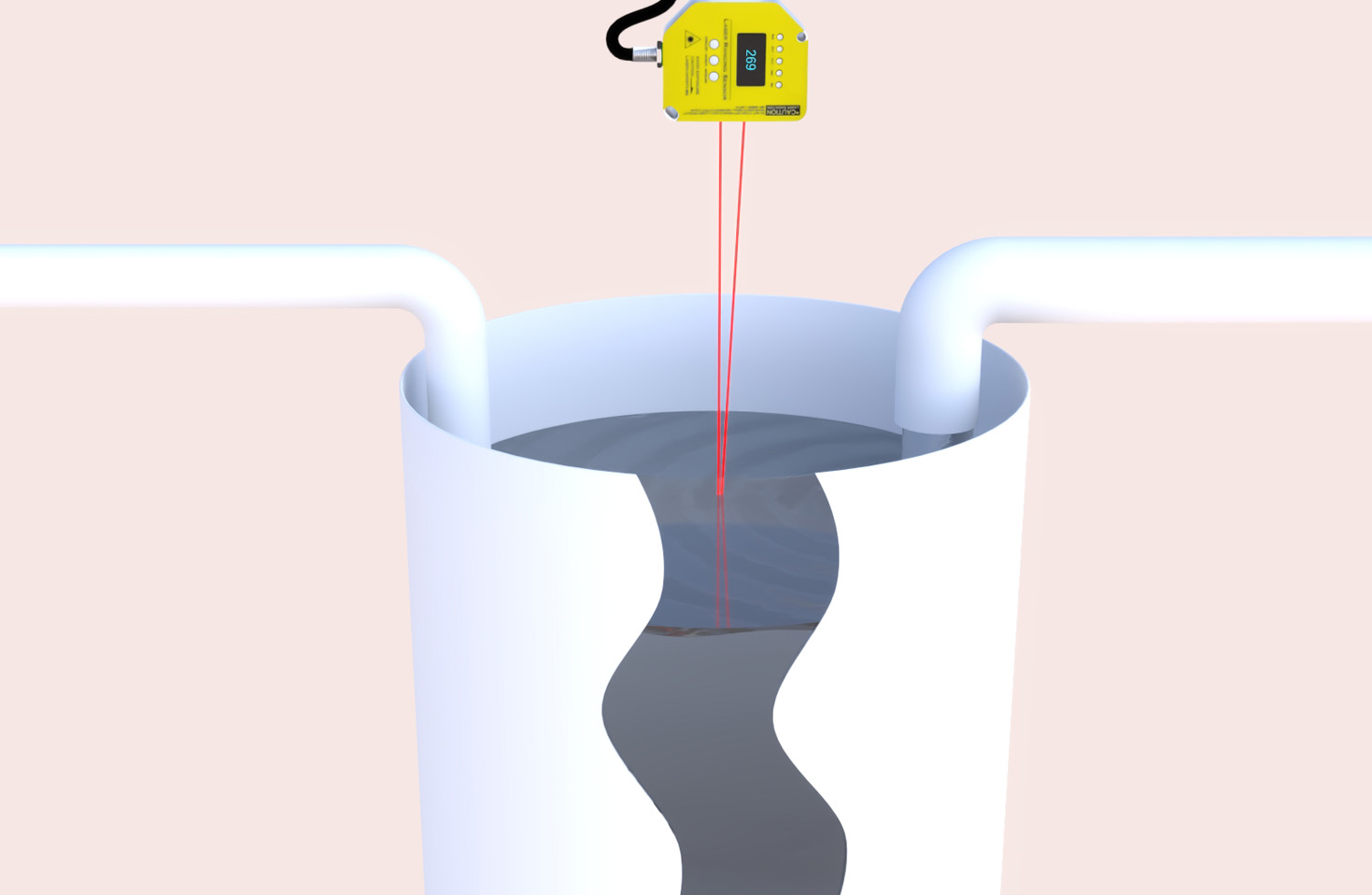
Gas laser sensors represent a critical technology in modern industrial automation and safety systems. These sophisticated devices utilize the principles of laser spectroscopy to detect, measure, and analyze the presence and concentration of specific gases with unparalleled precision. Unlike traditional electrochemical or catalytic bead sensors, gas laser sensors offer non-contact measurement, high selectivity, and minimal drift over time, making them indispensable in environments where accuracy and reliability are paramount.
The core operating principle involves directing a laser beam at a specific wavelength through a target gas sample. Each gas molecule has a unique absorption spectrum—a fingerprint of wavelengths of light it absorbs. By tuning the laser to a wavelength strongly absorbed by the target gas (e.g., methane, carbon dioxide, or ammonia), the sensor can quantify the gas concentration by measuring the attenuation of the laser beam. Techniques like Tunable Diode Laser Absorption Spectroscopy (TDLAS) are commonly employed. This method involves rapidly tuning the laser wavelength across a narrow range containing the target absorption line, allowing for highly selective detection even in the presence of interfering gases.
The advantages of gas laser sensors are numerous. Their high selectivity eliminates false alarms from non-target gases, a common issue with other sensor types. They provide fast response times, often in milliseconds, enabling real-time process control and rapid leak detection. Furthermore, their non-contact nature means the sensing element does not come into direct contact with the gas stream, reducing contamination, sensor poisoning, and maintenance requirements. This leads to a longer operational lifespan and lower total cost of ownership, despite a higher initial investment.
Industrial applications are vast and varied. In the oil and gas sector, these sensors are deployed for upstream leak detection along pipelines, mid-stream monitoring at compressor stations, and downstream safety in refineries. They are crucial for detecting methane leaks, a potent greenhouse gas, supporting both environmental compliance and loss prevention. In chemical and pharmaceutical manufacturing, they ensure process safety by monitoring for toxic or explosive gases in reactors and storage areas. Power generation plants utilize them for boiler optimization and emissions monitoring, measuring gases like oxygen and carbon monoxide to improve combustion efficiency and reduce pollutants.

Another growing application is in environmental monitoring and air quality assessment. Fixed stations and mobile platforms equipped with open-path gas laser sensors can measure pollutant concentrations over large areas, providing valuable data for regulatory bodies and urban planners. In semiconductor fabrication, ultra-pure environments are maintained by sensors that detect trace impurities at parts-per-billion levels.
Implementing a gas laser sensor system requires careful consideration. Key factors include the choice of measurement path (in-situ or extractive), the required detection range (from trace to percent levels), and the environmental conditions (pressure, temperature, and potential obstructions). Proper optical alignment is critical, especially for long open-path systems. Regular calibration, though less frequent than with other sensors, is still necessary to maintain accuracy, often performed using certified gas standards.
The future of gas laser sensing is tied to advancements in laser diode technology, photonics, and data processing. Developments in Quantum Cascade Lasers (QCLs) and Interband Cascade Lasers (ICLs) are expanding the range of detectable gases into the mid-infrared spectrum, where most gases have strong absorption features. Miniaturization is leading to more compact, rugged, and cost-effective sensors suitable for wider deployment. Integration with the Industrial Internet of Things (IIoT) and wireless networks enables smart sensor networks that provide predictive analytics and centralized monitoring dashboards.
In conclusion, gas laser sensors are a transformative technology for industrial gas detection and analysis. Their precision, speed, and reliability address the increasing demands for safety, efficiency, and environmental stewardship across multiple sectors. As technology continues to evolve, these sensors will become even more accessible and integral to building smarter, safer, and more sustainable industrial operations. Engineers and facility managers must understand their capabilities and implementation strategies to fully leverage their potential.