In modern gear manufacturing, gear hobbing machines equipped with laser sensors have become indispensable for achieving high precision and efficiency. These sensors play a critical role in monitoring tool position, workpiece alignment, and process stability. However, like any sophisticated component, laser sensors are prone to faults that can disrupt production and compromise gear quality. Understanding common failure modes and their solutions is essential for maintenance engineers and operators.
One prevalent issue is signal degradation or loss, often caused by contamination on the sensor lens or emitter. In industrial environments, coolant mist, oil, metal chips, and dust can accumulate on optical surfaces, reducing signal strength. This leads to inaccurate measurements or complete failure. Regular cleaning with approved optical-grade solvents and lint-free wipes is recommended. Additionally, installing protective covers or air purge systems can minimize contamination.

Another frequent fault involves misalignment due to mechanical vibration or thermal expansion. Gear hobbing machines generate significant vibrations during operation, which can gradually shift sensor alignment. Thermal effects from machine operation or ambient temperature changes may also cause drift. Symptoms include inconsistent readings or error alarms. To address this, ensure proper mounting rigidity and periodic recalibration using master artifacts. Implementing vibration-damping mounts and maintaining stable environmental conditions can enhance stability.
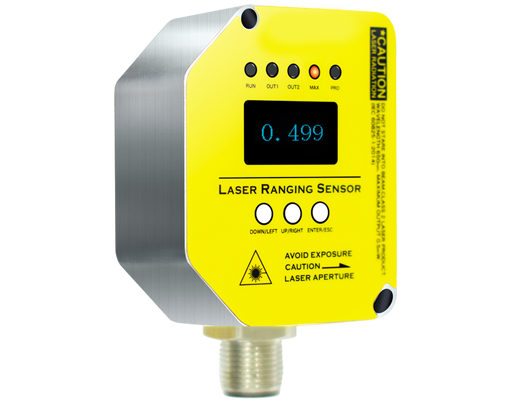
Electrical interference is a common culprit, especially in facilities with multiple high-power machines. Electromagnetic noise from motors, drives, or welding equipment can disrupt sensor signals, causing erratic behavior. Shielding sensor cables, using twisted-pair wiring, and grounding the sensor and machine frame properly are effective countermeasures. In severe cases, relocating the sensor away from noise sources or installing filters may be necessary.
Laser diode failure is another concern, often resulting from aging, overheating, or power surges. A failing diode may produce weak or unstable output, affecting performance. Monitoring operating temperature and ensuring adequate cooling can prolong diode life. Using surge protectors and stable power supplies helps prevent electrical damage. If diode failure occurs, replacement with an OEM-approved unit is advised, followed by recalibration.
Software or interface issues can also manifest as sensor faults. Incorrect parameter settings, outdated firmware, or communication errors between the sensor and CNC system may lead to malfunctions. Regularly update firmware and verify configuration parameters against manufacturer specifications. Diagnostic tools provided by the sensor manufacturer can help identify and resolve software-related problems.
Preventive maintenance is key to minimizing downtime. Establish a schedule for inspecting sensor condition, cleaning optics, checking connections, and verifying calibration. Train personnel to recognize early warning signs, such as gradual measurement drift or increased error rates. Keeping a log of sensor performance and maintenance activities aids in trend analysis and proactive intervention.
In summary, laser sensor faults in gear hobbing machines typically stem from contamination, misalignment, electrical interference, component wear, or software issues. By implementing routine maintenance, proper installation practices, and environmental controls, manufacturers can enhance sensor reliability and maintain production quality. Collaboration with sensor suppliers for technical support and training further ensures optimal performance.