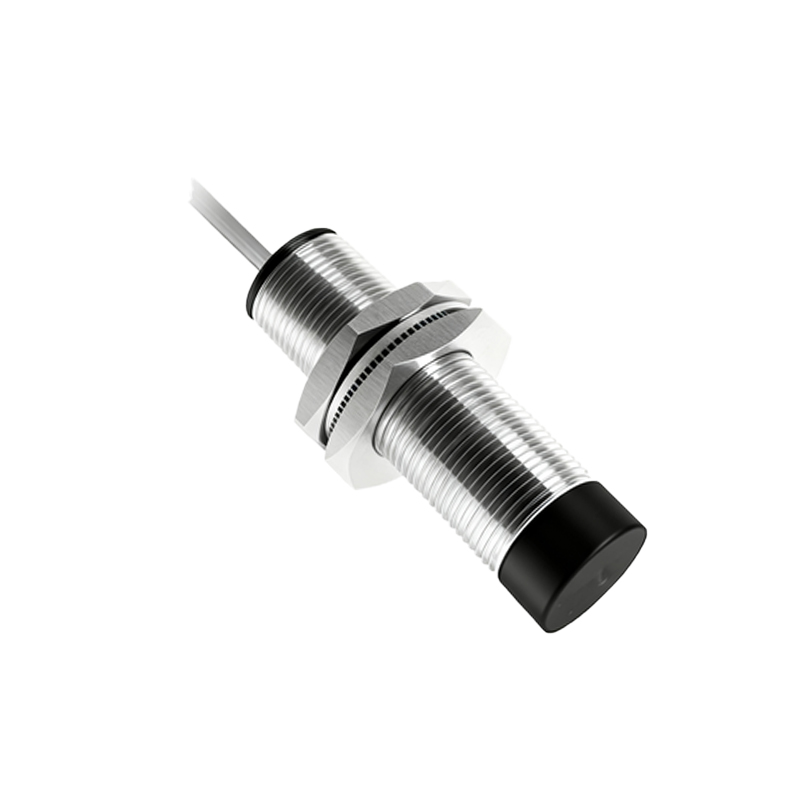
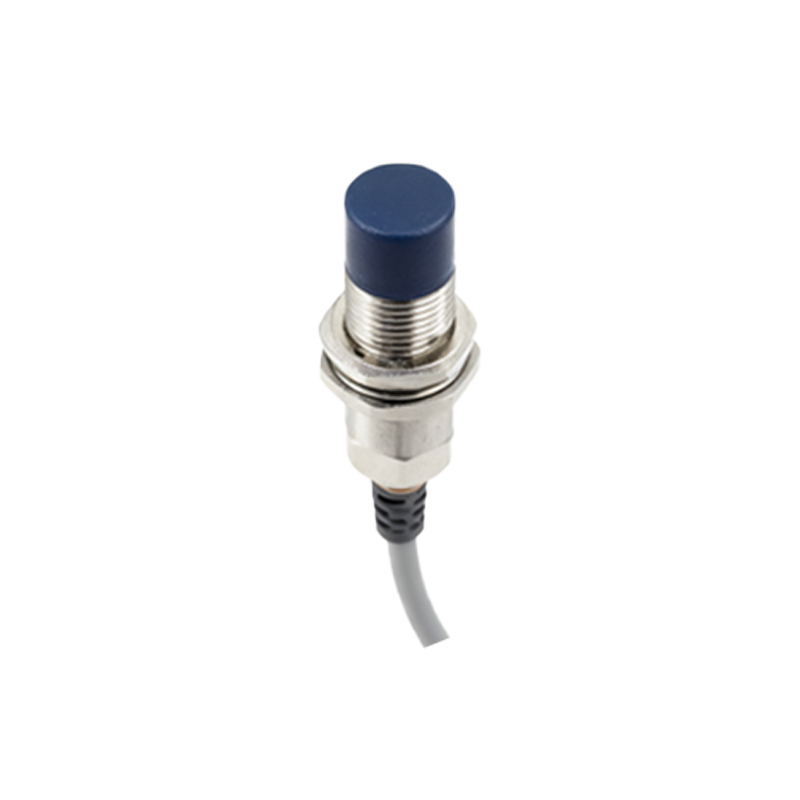
Proximity sensors for tailgates are integral components in modern automotive design, enhancing safety, convenience, and operational efficiency. These sensors, typically based on technologies such as capacitive, inductive, or ultrasonic detection, serve multiple critical functions in vehicle systems.
One primary role of tailgate proximity sensors is to prevent accidental collisions. When a vehicle is parked in tight spaces, such as garages or crowded lots, the tailgate may inadvertently strike obstacles during opening. Proximity sensors detect nearby objects and signal the tailgate to halt or reverse its motion, minimizing damage to both the vehicle and surrounding property. This feature is especially valuable for larger vehicles like SUVs and trucks, where tailgate clearance can be limited.
Additionally, these sensors contribute to hands-free operation, a growing trend in automotive convenience. Integrated with key fobs or smartphone apps, proximity sensors enable automatic tailgate opening when a user approaches with packages or groceries. This eliminates the need for physical contact, streamlining loading processes and improving accessibility for individuals with mobility challenges. The system often includes adjustable sensitivity settings to accommodate different environmental conditions, such as rain or snow, ensuring reliable performance year-round.
Safety is another key area where tailgate proximity sensors excel. In family-oriented vehicles, sensors help prevent injuries by detecting the presence of children or pets near the tailgate during closure. Upon sensing an obstruction, the system interrupts the closing cycle and may emit audible or visual alerts to warn users. This aligns with global safety standards and reduces liability risks for manufacturers.
From a technical perspective, these sensors enhance the durability of tailgate mechanisms. By preventing forceful impacts, they reduce wear on hinges, motors, and latches, extending the lifespan of components. This translates to lower maintenance costs and fewer warranty claims over the vehicle’s lifetime. Engineers often embed sensors within sleek, waterproof housings to withstand harsh driving conditions, including temperature extremes and road debris.
In electric and hybrid vehicles, proximity sensors support energy efficiency. They ensure the tailgate closes fully after use, preventing parasitic drains on the battery from improperly sealed compartments. Some advanced systems even integrate with vehicle telematics, logging usage data to optimize performance via over-the-air updates.
Overall, tailgate proximity sensors represent a fusion of innovation and practicality. As autonomous driving and smart vehicle technologies evolve, these sensors will likely incorporate AI-driven features, such as predictive object recognition. For now, they remain essential in delivering a seamless, secure user experience, reflecting the automotive industry’s commitment to intelligent design.