In the high-risk environment of coal mining, ensuring worker safety and preventing catastrophic incidents is paramount. Among the myriad of hazards, methane gas accumulation stands as one of the most significant threats. Traditional methods for methane detection, such as catalytic combustion sensors or infrared point sensors, have served the industry for decades. However, the advent of laser-based methane sensors represents a transformative leap in gas monitoring technology, offering unprecedented accuracy, reliability, and safety for underground operations.
Laser methane sensors operate on the principle of Tunable Diode Laser Absorption Spectroscopy (TDLAS). A laser diode emits a beam of light at a specific wavelength that is selectively absorbed by methane molecules. By tuning the laser across a narrow wavelength range and measuring the degree of light absorption, the sensor can precisely quantify methane concentration. This method is highly selective to methane, minimizing false alarms from other gases commonly present in mines. Unlike catalytic sensors, which can be poisoned by certain compounds and require oxygen to function, laser sensors are inert and can operate effectively in inert or oxygen-deficient atmospheres—a critical advantage in sealed areas or after a fire.
The implementation of these sensors brings multiple operational benefits. Firstly, their response time is exceptionally fast, often in the range of seconds, allowing for real-time monitoring and rapid intervention. Secondly, they require minimal calibration compared to traditional sensors, which need frequent bump testing and calibration due to drift and contamination. This reduces maintenance downtime and associated costs. Furthermore, laser sensors can be deployed in various configurations: as fixed-point monitors in key areas like longwall faces, belt entries, and near continuous miners; as portable devices for spot checks by safety personnel; or even integrated into drone-based systems for inspecting hard-to-reach or hazardous zones.
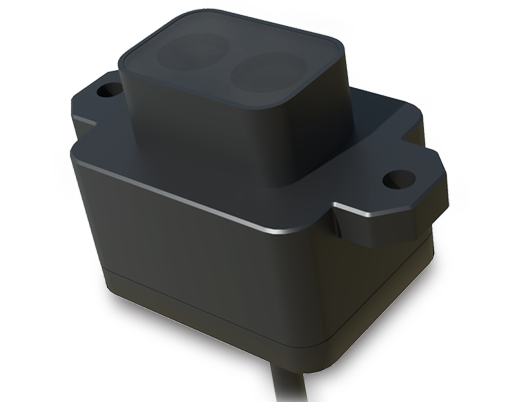
A key advancement is the development of open-path laser sensors. These devices project a laser beam over distances up to several hundred meters, measuring the average methane concentration along the entire beam path. This provides a wide-area surveillance capability, detecting gas clouds or layers that might be missed by point detectors. For example, in a mine roadway, an open-path sensor can continuously monitor for methane stratification—where lighter methane accumulates near the roof—alerting personnel to ventilation issues before concentrations reach dangerous levels.
Integration with the mine's digital ecosystem is another strength. Modern laser methane sensors feature robust communication interfaces (like 4-20 mA, Modbus, or wireless protocols) that feed data directly into the mine's supervisory control and data acquisition (SCADA) system or real-time safety monitoring platform. This enables centralized data logging, trend analysis, and automated responses, such as triggering alarm levels, slowing down equipment, or activating ventilation controls. Predictive analytics can also be applied to sensor data to forecast potential gas emission trends based on mining activity and geological conditions.
Despite the higher initial capital expenditure compared to conventional sensors, the total cost of ownership is often lower. The durability and long lifespan of laser diodes, coupled with reduced maintenance and calibration needs, lead to significant savings over time. More importantly, the enhanced detection capability directly contributes to preventing methane explosions, protecting lives, and avoiding costly production stoppages and regulatory penalties. Case studies from mining regions in the United States, Australia, and Poland demonstrate substantial reductions in gas-related incidents following the adoption of laser-based monitoring systems.
Looking ahead, ongoing research focuses on enhancing sensor robustness for the harsh mining environment (resistance to dust, vibration, and humidity), reducing power consumption for battery-operated units, and developing multi-gas laser sensors capable of simultaneously detecting methane, carbon dioxide, and water vapor. The convergence of laser sensing with the Internet of Things (IoT) and artificial intelligence promises even smarter, autonomous safety systems for the mines of the future.
In conclusion, laser methane sensors are no longer just an alternative but are becoming the industry standard for proactive gas hazard management in coal mining. Their superior performance characteristics address the limitations of legacy technologies, providing a reliable foundation for building a safer, more efficient, and data-driven mining operation. As regulatory frameworks tighten and the industry's commitment to zero-harm policies intensifies, investing in such advanced detection technology is not merely an operational upgrade but a fundamental ethical and economic imperative.