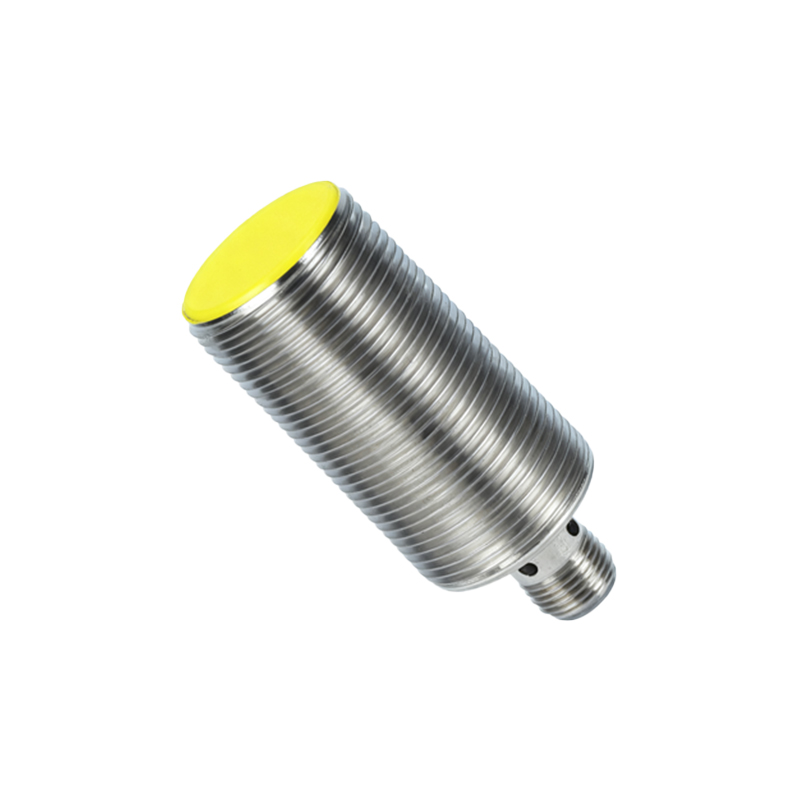
In the realm of industrial automation and electronic control, capacitive proximity sensors stand as a cornerstone technology for non-contact detection. As a senior electrical engineer, I have witnessed the evolution of these devices, with companies like Baomeng pushing the boundaries of reliability and innovation. This article delves into the operational principles, diverse applications, and critical selection criteria for capacitive proximity sensors, providing a comprehensive guide for professionals.
At its core, a capacitive proximity sensor functions by generating an electrostatic field. The sensor's active face, or sensing area, forms one plate of a capacitor, with the target object acting as the other plate. When an object enters this electrostatic field, it alters the capacitance of the system. The sensor's internal oscillator circuit detects this change. Once the capacitance shift exceeds a predefined threshold, the sensor triggers a switching action, sending a signal to the control unit. This principle allows for the detection of a vast array of materials, including metals, plastics, glass, wood, and liquids—a key advantage over inductive sensors, which are limited to metals.
Baomeng's capacitive sensors are engineered for robustness and precision. Their typical sensing ranges vary from a few millimeters to several centimeters, depending on the model and target material. A critical feature is the adjustable sensitivity, often via a potentiometer. This allows engineers to fine-tune the sensor to ignore background interference, such as container walls or environmental humidity, ensuring stable operation in complex settings. Modern units from leading manufacturers also incorporate advanced diagnostics, short-circuit protection, and immunity to electrical noise, making them suitable for harsh industrial environments.
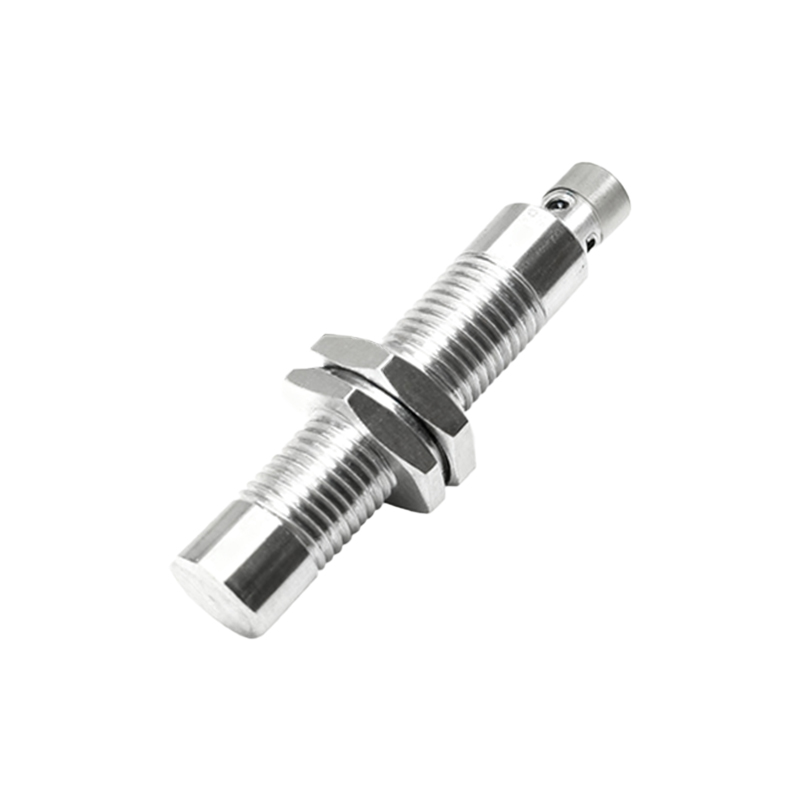
The applications for capacitive proximity sensors are remarkably broad. In packaging lines, they reliably detect plastic bottles, cardboard boxes, or foil wrappers, controlling fill levels or guiding products. In the wood and furniture industry, they sense wood panels or composite materials for precise cutting and routing. Liquid level control is another prime application; these sensors can detect the presence or absence of fluids through non-metallic tank walls, preventing overflows or dry running of pumps. Furthermore, they are indispensable in the food and beverage sector for detecting powder levels in silos or the presence of transparent films. Baomeng offers specialized models with FDA-compliant materials for such hygienic applications.
Selecting the right capacitive sensor requires careful consideration of several parameters. First, define the target material and the required sensing distance. Remember, the nominal sensing distance is usually specified for a grounded metal target. For non-metallic materials, the effective sensing range is reduced, and a correction factor must be applied. The sensor housing is another vital choice. Cylindrical threaded barrels (e.g., M8, M12, M18, M30) are common for easy mounting, while rectangular or block-style housings offer larger sensing areas. The output type must match your control system: PNP (sourcing) or NNP (sinking) transistor outputs are standard for DC models, while AC models may use relay contacts. Always check the voltage rating (e.g., 10-30V DC, 20-250V AC) and the output current capacity.
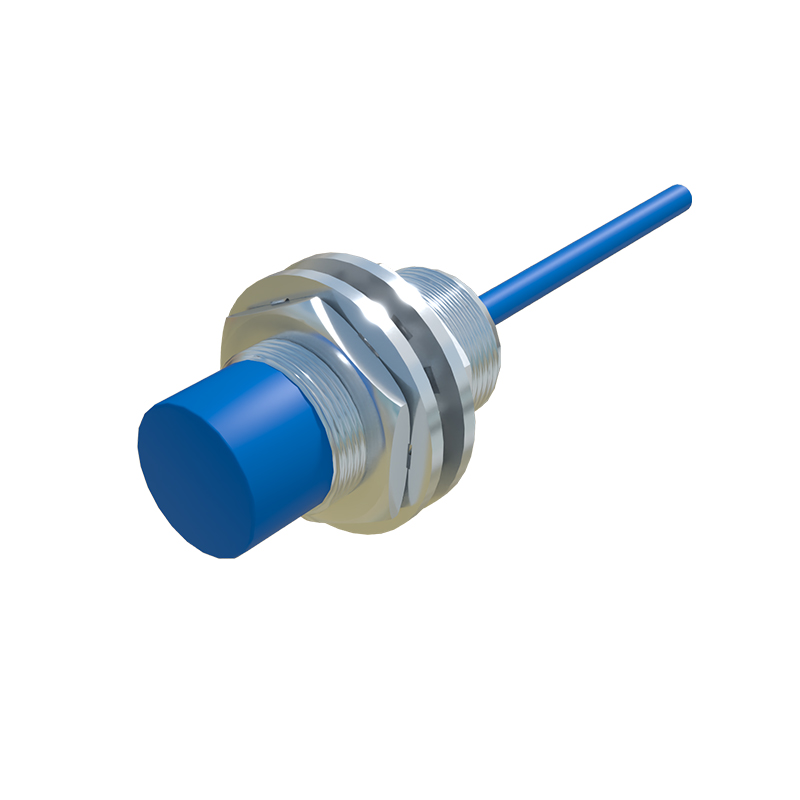
Environmental factors cannot be overlooked. For washdown areas in food processing, sensors with high IP ratings (IP67, IP69K) and stainless steel housings are mandatory. Operating temperature ranges should suit the application environment. For installations where the sensor must detect through a barrier, ensure the barrier material is non-conductive and as thin as possible to maximize sensitivity. Finally, consider connection methods: pre-wired cables, quick-disconnect connectors, or terminal blocks for direct wiring.
In conclusion, capacitive proximity sensors from manufacturers like Baomeng offer unparalleled versatility for object and level detection across industries. Their ability to sense almost any material, coupled with rugged construction and intelligent features, makes them a fundamental component in modern automation systems. A thorough understanding of their working principle, coupled with a methodical approach to selection based on target, environment, and electrical requirements, will ensure optimal performance and longevity in any application. As technology advances, we can expect even more compact designs, integrated IO-Link communication for smart factory integration, and enhanced resistance to extreme conditions, further solidifying their critical role.