In the realm of industrial automation and control systems, proximity sensors are indispensable components. They detect the presence or absence of an object without physical contact, enabling critical functions in machinery, robotics, and safety systems. However, selecting the right proximity sensor for a specific application is not a trivial task. A poor choice can lead to system failures, production downtime, and increased costs. This guide outlines the essential considerations for engineers tasked with proximity sensor selection, ensuring reliable and efficient system integration.
The first and most critical step is defining the application requirements. What is the target material? Standard inductive sensors detect ferrous metals like steel and iron, but for non-ferrous metals (aluminum, copper, brass) or all metals, specific inductive sensors with different operating frequencies are required. For detecting non-metallic objects such as wood, plastic, glass, or liquids, capacitive sensors are the appropriate choice. For applications requiring long-range detection or sensing through certain materials, photoelectric sensors might be superior. Ultrasonic sensors excel in distance measurement and detecting objects with varied surface properties. Clearly identifying the target material narrows down the sensor technology significantly.
Next, consider the operating environment. Industrial settings can be harsh. Will the sensor be exposed to extreme temperatures, high humidity, washdowns, or corrosive chemicals? The sensor's housing material and ingress protection (IP) rating are paramount. Stainless steel housings (e.g., V4A/AISI 316L) offer excellent corrosion resistance. An IP67 rating ensures protection against dust and temporary immersion, while IP68/69K is necessary for high-pressure washdowns common in food and beverage or pharmaceutical industries. Additionally, consider potential interference from welding fields, strong electromagnetic noise, or adjacent sensors. Sensors with robust shielding and noise immunity features are essential in electrically noisy environments.
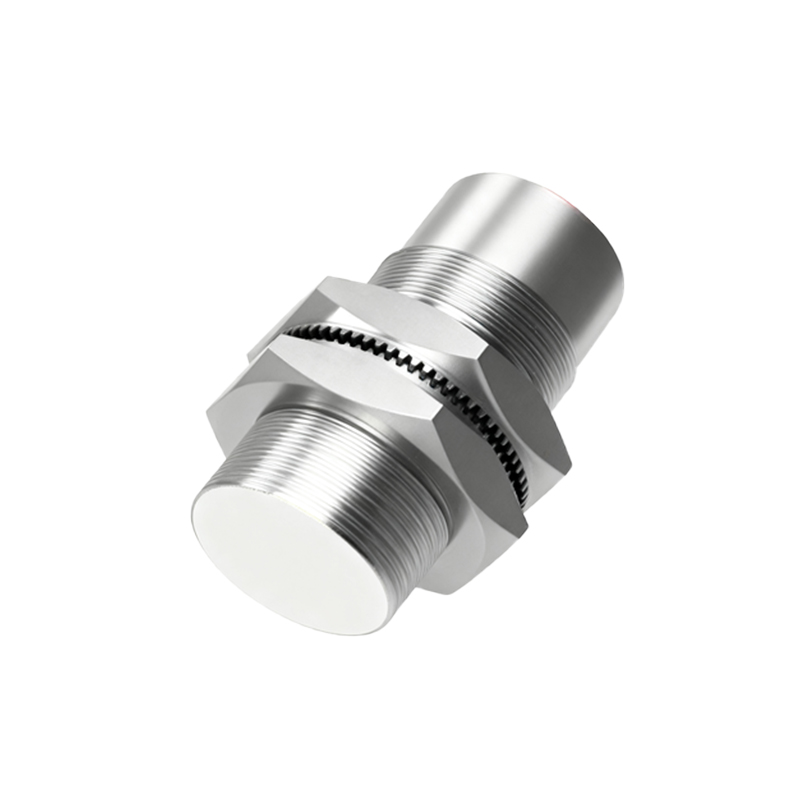
Technical specifications demand careful analysis. The nominal sensing distance (Sn) is a theoretical value under ideal conditions. The effective or assured operating distance (Sa) is the practical range that accounts for manufacturing tolerances and environmental factors, typically 70-80% of Sn. Always design with Sa in mind. The repeat accuracy defines how consistently the sensor can detect an object at the same point, crucial for precision positioning. Response time and switching frequency determine how fast the sensor can react to objects passing by, which is vital for high-speed production lines. Don't overlook the electrical characteristics: output type (PNP/NPN, NO/NC), voltage range, and current load capacity must be compatible with your controller (PLC) input card. Two-wire DC sensors simplify wiring but have higher leakage current, while three-wire and four-wire sensors offer more precise switching.
Physical installation constraints are often underestimated. The sensor's size and shape (barrel, rectangular, ring) must fit the available space. Consider the mounting style: flush-mounted, non-flush-mounted, or with a separate amplifier. Flush-mounted inductive sensors can be installed metal-surround without affecting their sensing range, whereas non-flush types offer longer ranges but require clearance. Ensure there is adequate clearance around the sensing face from surrounding metal (metallic background) to prevent false triggering. The connection method—pre-wired cable, quick-disconnect (M8, M12 connectors)—affects maintenance and replacement ease.
Finally, consider long-term reliability and support. Choose sensors from reputable manufacturers known for quality and consistency. Evaluate the mean time between failures (MTBF) data if available. Availability of spare parts and technical support can drastically reduce downtime. While initial cost is a factor, the total cost of ownership, which includes installation, maintenance, and potential downtime costs, should be the primary economic consideration. A slightly more expensive, robust sensor often proves more economical over its lifecycle by preventing costly failures.
In conclusion, successful proximity sensor selection is a systematic process. By meticulously evaluating the target material, environmental conditions, technical specifications, physical installation, and supplier reliability, engineers can specify the optimal sensor. This diligence ensures enhanced machine performance, improved safety, and maximized operational uptime, forming a solid foundation for any automated system.